Skip to content
The Healthy Brief
  • Daily Living
  • Mind & Mood
  • Body & Nutrition
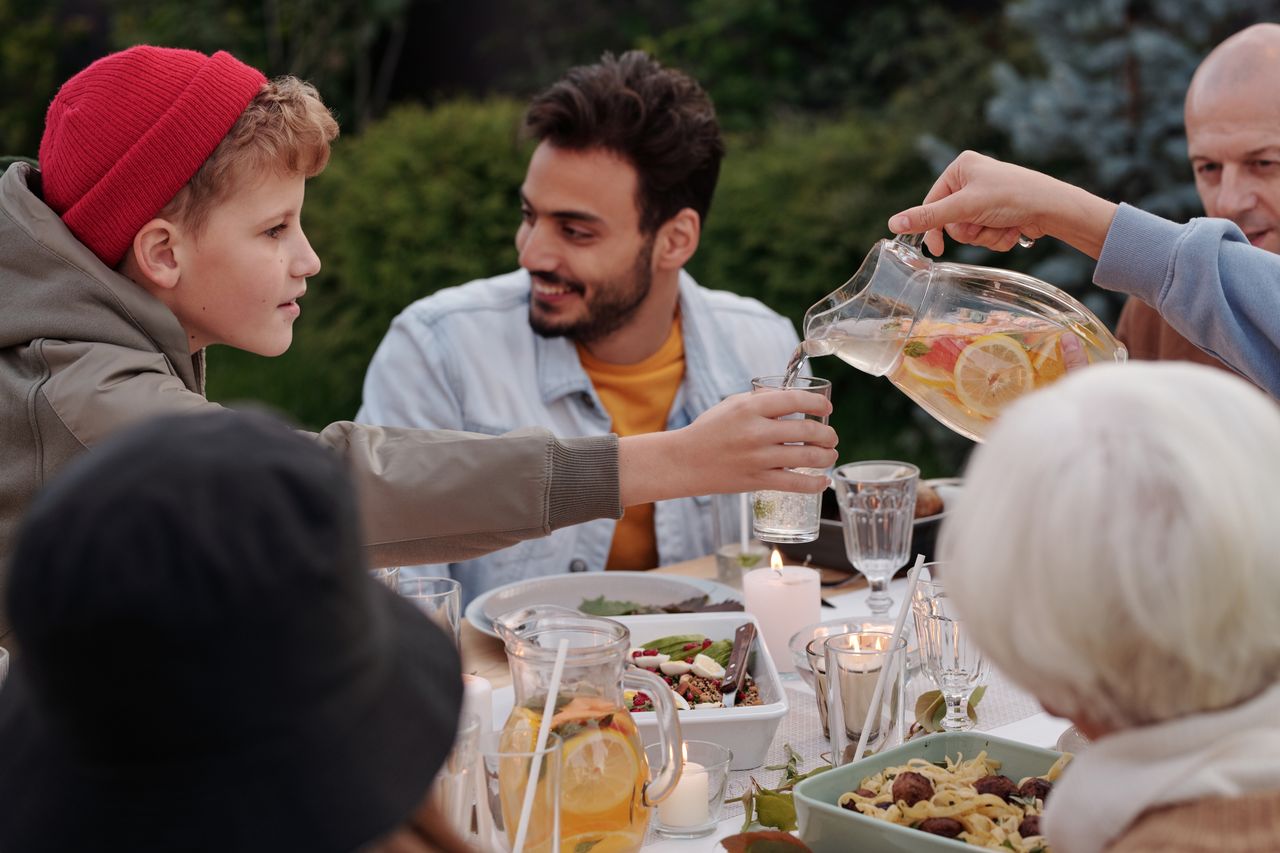
A balanced meal on a table next to a glass of water, showing healthy mealtime hydration.

The Stomach Acid Myth: Does Drinking Water After Meals Actually Harm Digestion?

Posted on September 24, 2026September 24, 2026 By Agustin Cappuccino No Comments on The Stomach Acid Myth: Does Drinking Water After Meals Actually Harm Digestion?
Daily Living
Agustin Cappuccino
Agustin Cappuccino
Health & Wellness Writer

Few dietary rules are as pervasive as the warning against drinking water after a meal. Across cultural wellness traditions and viral health trends alike, people are frequently told that sipping water after eating is a catastrophic digestive mistake: that it extinguishes your “digestive fire,” dilutes stomach acid to near-useless levels, traps undigested food in the stomach, and causes immediate fat accumulation.

On the surface, this reasoning appears intuitive. If you pour water into a beaker containing concentrated hydrochloric acid, the acid becomes diluted.

However, the human gastrointestinal tract is not a static glass beaker; it is an intelligent, dynamic, and adaptive neuroendocrine organ.

When evaluated through the lens of modern gastroenterology and digestive physiology, the assertion that drinking water after meals impairs digestion collapses under scrutiny. Understanding the real biology of how the stomach handles fluids reveals why water does not shut down digestion—and how it can actually support nutrient breakdown.

The Chemical Beaker Fallacy: How Gastric Secretion Really Works

The primary argument behind avoiding water with meals hinges on the belief that a fixed amount of gastric acid sits in the stomach, and adding water raises the luminal pH so high that proteolytic enzymes (like pepsin) can no longer function.

In biological reality, gastric secretion is an ongoing feedback loop controlled by hormonal and neural signaling:

  • Parietal Cell Responsiveness: The stomach lining is embedded with millions of specialized cells called parietal cells, which actively pump hydrochloric acid (HCl) into the gastric lumen in response to food stimulation.
  • The pH Sensor: When food and liquid enter the stomach, stretch receptors and chemoreceptors immediately detect changes in volume and acidity. If the pH begins to rise above the optimal range needed to break down protein (typically a pH between 1.5 and 2.5), the stomach releases gastrin—a hormone that commands parietal cells to secrete more acid to re-equilibrate the environment.
  • The Dynamic Capacity: The stomach does not get “confused” or “diluted” into failure by a glass of water. It automatically modulates its enzyme and acid output to match the precise volume, macronutrient density, and hydration state of whatever was consumed.

What Actually Happens When You Drink Water Around Food?

Rather than halting digestion, fluid plays an indispensable mechanical role in the breakdown of dietary substrates.

1. Facilitating the Formation of Chyme

Digestion begins in the mouth with mastication and salivary amylase, but once food enters the stomach, mechanical churning reduces it into a uniform, semi-fluid slurry called chyme. If a meal is excessively dry, fibrous, or dense, the stomach’s muscular walls must work harder to crush and soften the bolus. Moderate water intake helps hydrate and liquefy food particles, allowing digestive enzymes to permeate the food mass more thoroughly.

2. Splanchnic Clearance and Gastric Emptying

Water does not linger in the stomach indefinitely. Liquids follow a physiological pathway known as the magenstrasse (stomach pathway)—flowing along the lesser curvature of the stomach and clearing into the duodenum far faster than dense solids. Solid food remains in the gastric antrum for grinding, while water passes through within minutes, meaning any transient, minor change in gastric pH is brief and metabolically inconsequential.

3. The Calorie Myth: Can Water Cause Weight Gain?

Another persistent myth claims that post-meal water causes food to “ferment” and convert into visceral fat. Water contains zero calories, zero macronutrients, and zero substrates that can be converted into adipose tissue. On the contrary, adequate hydration during or after meals can promote natural post-meal satiety, preventing subsequent overeating, while assisting the kidneys in clearing metabolic waste.

Why Do Some People Feel Bloated?

If water does not ruin digestion, why do so many individuals report severe fullness, bloating, or discomfort when drinking after meals?

The culprit is almost always excessive volume and drinking mechanics, not the water itself:

FactorPhysiological ConsequenceClinical Recommendation
Chugging Large VolumesRapidly pouring 500–700 mL of fluid into a stomach that is already full stretches gastric mechanoreceptors, inducing acute distension and fullness.Sip moderate amounts (150–250 mL) slowly rather than chugging an entire bottle in one go.
Eating Too Fast (Aerophagia)Inhaling food without adequate chewing introduces excess air into the esophagus and stomach, which becomes trapped when followed by large gulps of fluid.Chew slowly to stimulate cephalic saliva production; this reduces the need for heavy post-meal fluid compensation.
Pre-Existing GERD / Acid RefluxIn individuals with a weak lower esophageal sphincter (LES), adding high fluid volume to a full stomach increases intra-gastric pressure, allowing acidic contents to splash upward.Those with clinical GERD or hiatal hernias should limit fluids immediately following meals to keep gastric volume low.

The Practical Hydration Protocol: Moderation Over Rigid Rules

Rigid timing rules—such as forcing yourself to wait in thirst for exactly 45 or 60 minutes after eating—create unnecessary stress around eating without demonstrable scientific benefit. Instead, follow these physiological principles:

  1. Prioritize Small Sips Over Gulping: Sipping a glass of room-temperature or warm water during or after a meal lubricates the esophagus, softens coarse foods, and assists gastric accommodation without over-distending stomach tissues.
  2. Respect Your Body’s Thirst Signals: If you feel thirsty after eating, drink. Suppressing natural thirst mechanisms impairs overall systemic hydration, stool hydration in the colon, and nutrient transit.
  3. Address the Real Drivers of Indigestion: If you consistently experience painful bloating or sluggish digestion, look at what was on the plate—excessive sodium, fried fats, highly refined carbohydrates, or eating under high sympathetic stress—rather than blaming the glass of water.

The human digestive system is remarkably resilient, finely tuned over millions of years to extract nutrients from diverse diets and hydration states. You do not need to fear a glass of water after dinner; when approached with mindfulness and moderation, hydration remains an ally to gut health, not its enemy.

🩺 Editorial Note & Medical Disclaimer

The information provided on healandnourish.com is intended for educational and informational purposes only and should not be construed as professional medical or gastroenterological advice. Individuals suffering from clinical conditions such as severe Gastroesophageal Reflux Disease (GERD), gastroparesis, or chronic gastritis should consult their physician or gastroenterologist for personalized meal and fluid management plans.

References & Clinical Resources

  • American Gastroenterological Association (AGA): Review clinical guidance and physiological overviews of human gastric acid secretion and motility at the AGA Clinical Guidelines Database.
  • The American Journal of Clinical Nutrition: Access peer-reviewed literature detailing the impact of fluid ingestion on gastric emptying rates and postprandial satiety via the Oxford Academic AJCN Database.
  • National Institutes of Health (NIH) / PubMed Central: Explore foundational research regarding parietal cell regulation, gastrin signaling, and the mechanics of chyme breakdown in the National Library of Medicine / PMC Repository.
  • Mayo Clinic Proceedings: Read expert physician breakdowns evaluating common digestive myths, water consumption rules, and GERD triggers at the Mayo Clinic Health Information Portal.

Post navigation

❮ Previous Post: What a 90+ Fitness Instructor Can Teach Us About Healthy Aging
Next Post: The Prone Dilemma: Biomechanical Stress, Airway Dynamics, and the Hidden Cost of Sleeping on Your Stomach ❯

You may also like

Daily Living
The Invisible Geyser: What Really Happens Every Time You Flush
August 16, 2026
Person practicing 10 minutes of mindfulness meditation in a quiet room
Daily Living
The Neuroscience of Stillness: How 10 Minutes of Meditation May Support a Healthier Brain
October 5, 2026
Ergonomic desk setup with monitor at eye level and supportive office chair.
Daily Living
The Remote Work Trap: How Subtle Biomechanical Strain Accumulates
June 11, 2026
A person resting peacefully in bed, highlighting healthy sleep posture and spinal alignment.
Daily Living
The Prone Dilemma: Biomechanical Stress, Airway Dynamics, and the Hidden Cost of Sleeping on Your Stomach
September 25, 2026

Leave a Reply Cancel reply

Your email address will not be published. Required fields are marked *

Healthy Tip of the Day
Give Your Eyes a Screen Break
Staring at screens for long periods can contribute to eye strain and dryness. Taking regular breaks gives your eyes a chance to relax and reminds you to blink more often.
Simple goal: Try the 20-20-20 rule: every 20 minutes, look at something about 20 feet away for at least 20 seconds.
  • Body & Nutrition (12)
  • Daily Living (23)
  • Mind & Mood (9)
✉

Get The Healthy Brief

Clear health news, wellness insights, and practical tips delivered to your inbox.

Free to join. Unsubscribe anytime.

  • Close-up of a person with mild eye redness beside a bottle of eye drops, illustrating temporary eye redness relief.
    FDA Approves Brytly Eye Drops for Redness Relief: What to Know
    by Nick Campbell
    October 17, 2026
  • A person enjoying a healthy morning routine with a glass of water, fresh fruit, and a journal in natural daylight.
    10 Daily Healthy Habits for Better Health, More Energy, and Less Stress
    by Nick Campbell
    October 13, 2026
  • Fresh whole foods, fruits, vegetables, whole grains, and protein sources representing modern nutrition guidelines.
    Rethinking the Plate What the Latest National Dietary Guidelines Mean for Your Health
    by Nick Campbell
    October 12, 2026
  • Cup of morning coffee beside a sunlit window, illustrating caffeine timing and daytime energy.
    Is Your Morning Coffee Making You Tired Later? The Truth About Adenosine and Caffeine
    by Nick Campbell
    October 11, 2026
  • Person struggling with chronic insomnia while looking at the clock at night
    Beyond Melatonin: What Really Helps With Chronic Insomnia?
    by Noah Colasanto
    October 7, 2026
  • Can Egg Yolk Help Hair Growth? What the Science Really Says
    by Nick Campbell
    October 7, 2026
  • Person practicing 10 minutes of mindfulness meditation in a quiet room
    The Neuroscience of Stillness: How 10 Minutes of Meditation May Support a Healthier Brain
    by Nick Campbell
    October 5, 2026
  • A person resting peacefully in a dim bedroom, depicting healthy evening sleep hygiene and digestion.
    The Postprandial Recumbency Trap: Why Sleeping Right After Eating Sabotages Digestion, Heartburn Defense, and Deep Sleep
    by Agustin Cappuccino
    October 3, 2026
  • Abstract scientific representation of human biology and neuroanatomy exploring unsolved physiological mysteries.
    The Biological Paradox: 5 Unsolved Mysteries of Human Physiology That Modern Medicine Still Cannot Fully Explain
    by Noah Colasanto
    October 2, 2026
  • A cluster of fresh bananas showing stages of ripeness on a wooden countertop next to healthy whole foods.
    The 45-Day Banana Protocol: Metabolic, Renal, and Gut Microbiome Shifts from Daily Musa Ingestion
    by Nick Campbell
    October 1, 2026
  • An active adult running comfortably outdoors, representing natural knee preservation and athletic joint mobility.
    The 80% Rule: Why Most People Told They Need a Total Knee Replacement Actually Don’t
    by Nick Campbell
    September 30, 2026
  • A nutrient-dense balanced breakfast featuring poached eggs, avocado, and berries on a sunlit table.
    The Fasting Fallacy: Why Skipping Breakfast Triggers Cortisol Elevation, Muscle Catabolism, and Rebound Overeating
    by Noah Colasanto
    September 29, 2026
  • Introducing soft ambient bias lighting prevents extreme pupillary contrast stress and eases nighttime digital eye strain.
    The Bedtime Glow: Does Scrolling on Your Phone in the Dark Cause Permanent Eye Damage?
    by Noah Colasanto
    September 28, 2026
  • Glass meal prep containers filled with rice, chicken, and vegetables, showing safe leftover food storage.
    The Leftover Paradox: Is Reheating Food Actually Dangerous, or Are We Misunderstanding Food Microbiology?
    by Agustin Cappuccino
    September 27, 2026
  • An adult calmly measuring their blood pressure with a digital upper-arm monitor at home.
    High Blood Pressure Symptoms: Why the Silent Killer Can Go Unnoticed
    by Noah Colasanto
    September 26, 2026
  • A person resting peacefully in bed, highlighting healthy sleep posture and spinal alignment.
    The Prone Dilemma: Biomechanical Stress, Airway Dynamics, and the Hidden Cost of Sleeping on Your Stomach
    by Nick Campbell
    September 25, 2026
  • A balanced meal on a table next to a glass of water, showing healthy mealtime hydration.
    The Stomach Acid Myth: Does Drinking Water After Meals Actually Harm Digestion?
    by Agustin Cappuccino
    September 24, 2026
  • Takishima Mika demonstrating an active lifestyle and healthy aging in her 90s
    What a 90+ Fitness Instructor Can Teach Us About Healthy Aging
    by Noah Colasanto
    September 23, 2026
  • Older adult speaking with a psychiatrist during a discussion about emerging treatments for generalized anxiety disorder
    The Long Winter of Anxiety: Could One Experimental Treatment Change Psychiatry?
    by Nick Campbell
    September 20, 2026
  • Person walking in nature to lower stress and rebalance cortisol levels.
    The Biological Architecture of Burnout
    by Noah Colasanto
    September 11, 2026
  • Person with closed eyes practicing deep breathing for autonomic calm.
    The Breath: The Direct Bridge to Autonomic Control
    by Agustin Cappuccino
    August 31, 2026
  • The Invisible Geyser: What Really Happens Every Time You Flush
    by Nick Campbell
    August 16, 2026
  • Balanced meal featuring fiber, clean protein, and healthy fats on a dinner plate.
    The Glucose Rollercoaster: The Hidden Culprit Behind the 3 PM Slump
    by Nick Campbell
    August 11, 2026
  • Assorted fermented probiotic foods and high-fiber ingredients that support microbiome diversity.
    The “Second Brain” in Your Abdomen
    by Nick Campbell
    August 11, 2026
  • Selection of packaged ultra-processed foods displaying colorful snack wrappers and processed grocery items
    Beyond the Label The Hidden Cost of Ultra-Processed Foods
    by Noah Colasanto
    August 5, 2026
  • Scientific illustration showing experimental biomimetic enamel regeneration on a damaged human tooth
    The Living Armor: Could Scientists Finally Teach Damaged Teeth to Repair Themselves?
    by Nick Campbell
    July 19, 2026
  • Individual walking outdoors casually incorporating more movement into daily life.
    The “Active Couch Potato” Paradox
    by Nick Campbell
    July 11, 2026
  • Glass of fresh water with citrus and mineral electrolyte balance.
    The Dehydration Irony: Drinking Gallons and Staying Thirsty
    by Nick Campbell
    July 11, 2026
  • Turned-over smartphone next to a journal showing digital boundary setting.
    The Cognitive Crisis: Continuous Partial Attention
    by Agustin Cappuccino
    July 4, 2026
  • Ergonomic desk setup with monitor at eye level and supportive office chair.
    The Remote Work Trap: How Subtle Biomechanical Strain Accumulates
    by Nick Campbell
    June 11, 2026
  • Person standing in golden morning sunlight outdoors to reset circadian rhythm.
    The Biological Power of Morning Light: Resetting Your Energy and Sleep
    by Agustin Cappuccino
    June 8, 2026
  • Person walking in nature to lower stress and rebalance cortisol levels.
    The Modern Evening Crisis: Why Your Brain Refuses to Sleep
    by Noah Colasanto
    June 1, 2026
  • Terms of Use
  • Subscribe
  • Privacy Policy
  • Medical Disclaimer
  • Editorial Guidelines
  • Comment Policy
  • Affiliate Disclosure
  • About Us
  • Disclaimer

Copyright © 2026 The Healthy Brief.

Theme: Oceanly Green by ScriptsTown