Skip to content
The Healthy Brief
  • Daily Living
  • Mind & Mood
  • Body & Nutrition
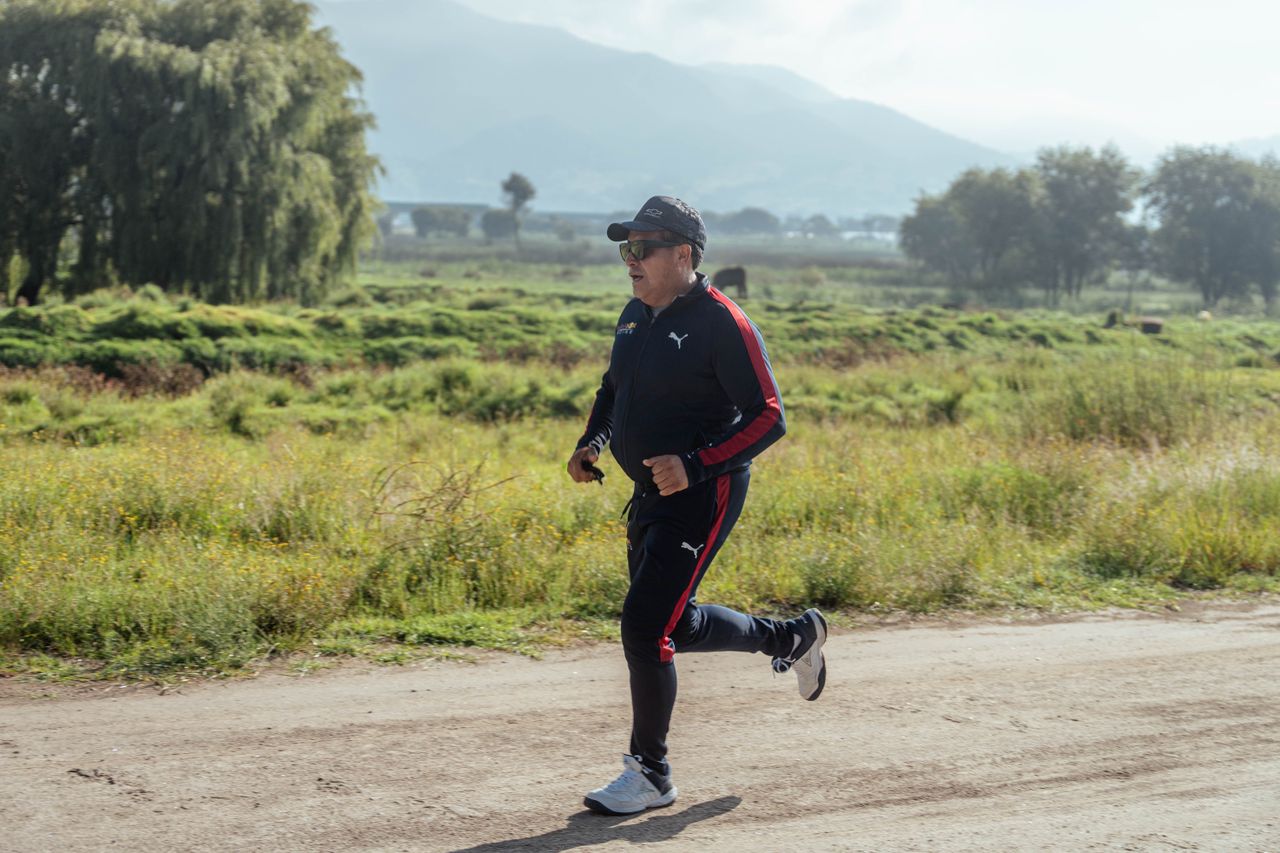
An active adult running comfortably outdoors, representing natural knee preservation and athletic joint mobility.

The 80% Rule: Why Most People Told They Need a Total Knee Replacement Actually Don’t

Posted on September 30, 2026September 30, 2026 By Nick Campbell No Comments on The 80% Rule: Why Most People Told They Need a Total Knee Replacement Actually Don’t
Daily Living
Nick Campbell
Nick Campbell
Health & Wellness Writer

Receiving a recommendation for a Total Knee Arthroplasty (TKA)—commonly known as a total knee replacement—can feel like a definitive crossroads in middle or later life. Patients suffering from joint stiffness, localized cartilage erosion, or chronic osteoarthritis are frequently told that their knee is simply “bone-on-bone,” leaving an artificial metal-and-plastic joint as their only remaining option to regain mobility.

However, pioneer orthopedic surgeon Dr. Kevin Stone and leading sports medicine specialists argue that up to 80% of individuals told they need a total knee replacement could avoid or indefinitely delay the procedure.

The human knee is not a disposable machine part designed to be discarded at the first sign of wear. It is a living, responsive biological organ.

Advancements in regenerative medicine, biologic joint reconstruction, and robotic partial resurfacing have transformed orthopedic possibilities. Understanding the tri-compartmental architecture of the knee and modern joint-sparing alternatives allows patients to make informed decisions that preserve their natural joint tissue.

1. The Tri-Compartmental Reality: Why Replacing the Whole Joint Is Often Overkill

The fundamental flaw in premature total knee replacements stems from treating the knee as a single, uniform structure. Anatomically, the knee joint is divided into three distinct functional compartments:

  1. The Medial Compartment: The inner side of the knee joint.
  2. The Lateral Compartment: The outer side of the knee joint.
  3. The Patellofemoral Compartment: The junction where the kneecap (patella) glides over the anterior thigh bone (femur).

In the vast majority of arthritic patients, cartilage degeneration is unilateral or compartmental—meaning the wear is concentrated primarily in one area (most often the medial compartment due to daily mechanical weight-bearing), while the remaining compartments, cruciate ligaments, and shock-absorbing tissues remain healthy.

A total knee replacement requires sacrificing all three compartments: cutting away healthy bone, removing both the anterior cruciate ligament (ACL) and posterior cruciate ligament (PCL), and severing critical proprioceptive nerve endings. Replacing an entire tri-compartmental joint when only a single isolated section is worn down is the orthopedic equivalent of replacing an entire automobile engine simply because one spark plug has degraded.

2. The Biologic Knee: Repairing, Regenerating, and Replacing Living Tissue

Rather than immediately resorting to artificial metal hinges, biologic joint reconstruction focuses on restoring natural tissues using the body’s intrinsic healing mechanisms, donor grafts, and targeted surgical techniques.

Articular Cartilage Paste Grafting

Articular cartilage—the smooth, white, friction-free surface capping the ends of the femur and tibia—historically had a reputation for being unable to heal due to lack of direct blood supply.

  • The Technique: Articular cartilage paste grafting shatters this limitation. In an outpatient arthroscopic procedure, a small sample of the patient’s own articular cartilage and cancellous bone marrow is harvested, crushed into a paste rich in mesenchymal stem cells and growth factors, and impacted into the arthritic defect.
  • The Result: The marrow stimulation and autologous stem cell paste recruit a powerful healing cascade, generating durable fibrocartilage and hyaline-like repair tissue that resurfaces damaged bearing areas without synthetic implants.

Meniscus Allograft Transplantation: Restoring the Shock Absorber

The menisci are two crescent-shaped fibrocartilage discs that distribute up to 70% of joint loads across the tibial plateau. Historically, orthopedic practice involved trimming away or removing torn menisci (meniscectomy).

  • The Consequence: Removing the meniscus concentrates mechanical force onto a tiny surface area, accelerating cartilage wear and triggering rapid-onset arthritis.
  • The Solution: Meniscus transplantation replaces the missing cushion using a sterilized, size-matched donor (allograft) meniscus. By restoring this crucial shock absorber, joint contact pressures drop back to physiological baselines, stabilizing the joint and protecting the underlying cartilage from further erosion.

Ligamentous Reconstruction

A loose, unstable joint accelerates focal cartilage wear. Restoring joint kinematics through precise anterior cruciate ligament (ACL) or collateral ligament repair ensures that the resurfaced cartilage and newly placed meniscus are not subjected to abnormal shear stresses.

3. Robotic Partial Resurfacing: When Biologics Need Structural Reinforcement

For patients whose bone-on-bone arthritis has progressed beyond biologic regeneration alone, a total knee replacement is still not the mandatory default.

Robotic Unicompartmental (Partial) Knee Resurfacing offers a precise middle ground:

  • Preserving Natural Kinematics: Only the isolated, damaged compartment is resurfaced with a thin metal and high-density polyethylene bearing.
  • Retaining Native Ligaments: The ACL, PCL, and the healthy surrounding compartments remain completely intact.
  • Superior Function: Because native cruciate ligaments and sensory nerve fibers are preserved, patients retain natural joint proprioception (the “feel” of a real knee), experience significantly faster rehabilitation, and can safely return to high-impact activities like running, skiing, and tennis—activities often restricted after traditional total replacements.

Clinical Comparison: Biologic/Partial vs. Total Joint Replacement

Clinical MetricBiologic Joint Restoration (BioKnee)Robotic Partial ResurfacingTraditional Total Knee Replacement (TKA)
Bone & Ligament Preservation100% native bone and native ACL/PCL preserved.Native ACL/PCL and two healthy compartments preserved.Healthy bone sawed away; ACL/PCL completely sacrificed.
Joint Kinematics & ProprioceptionCompletely natural; normal sensory nerve feedback.Near-natural; native ligament balance maintained.“Mechanical” feel; altered gait mechanics and reduced joint awareness.
Athletic Impact ToleranceHigh; impact sports (running, tennis, skiing) permitted.High; full return to dynamic recreational sports.Moderate to low; high-impact running often clinically discouraged.
Revision Surgery ComplexityHigh; preserves all options for future interventions.Standard; easily converted to full replacement if needed decades later.High; bone loss makes revision surgeries complex and invasive.

4. The 3-Step Evaluation: Are You a Candidate for Joint Preservation?

If you have been told that a total knee replacement is your only remaining option, slow down and evaluate the following diagnostic steps before scheduling major surgery:

  1. Demand Compartmental Diagnostic Imaging: Do not rely on weight-bearing X-rays alone. Insist on a high-resolution MRI or specialized CT scan to assess the exact health of each of the three compartments, your meniscus integrity, and ligamentous stability.
  2. Determine the Exact Source of Pain: Ensure your symptoms correlate directly with the imaging. Focal pain localized to the inner knee often signals isolated medial wear suitable for unicompartmental resurfacing or a meniscus transplant, rather than generalized tri-compartmental failure.
  3. Seek a Biologic or Joint-Preservation Second Opinion: Many high-volume orthopedic centers specialize exclusively in standard total joint arthroplasty. Consulting a sports medicine surgeon or joint preservation specialist who routinely performs cartilage grafting and meniscus transplants ensures you evaluate all tissue-sparing alternatives.

You are born with living, adaptive joint architecture. Before permanently cutting it away, explore every biological and minimally invasive avenue to rebuild, regenerate, and preserve your natural knee.

🩺 Editorial Note & Medical Disclaimer

The information provided on healandnourish.com is intended for educational and informational purposes only and should not be construed as professional medical, surgical, or orthopedic advice. Always consult with a board-certified orthopedic surgeon or sports medicine specialist to evaluate your diagnostic imaging, joint stability, and individualized surgical options.

References & Clinical Resources

  • The Stone Clinic & Kevin R. Stone, MD: Review longitudinal clinical outcome studies on articular cartilage paste grafting, meniscus transplantation, and the BioKnee protocol at The Stone Clinic Clinical Research Archive.
  • The American Academy of Orthopaedic Surgeons (AAOS): Access clinical practice guidelines evaluating unicompartmental knee arthroplasty, osteotomy, and joint-preserving techniques via the AAOS Clinical Practice Center.
  • The American Journal of Sports Medicine (AJSM): Explore peer-reviewed literature detailing long-term survival rates of meniscus allograft transplantation and cartilage restoration at the SAGE Journals AJSM Database.
  • Arthroscopy: The Journal of Arthroscopic & Related Surgery: Read clinical trials comparing patient satisfaction, return to sport, and proprioceptive retention between partial resurfacing and total knee arthroplasty through the Arthroscopy Journal Portal.

Post navigation

❮ Previous Post: The Fasting Fallacy: Why Skipping Breakfast Triggers Cortisol Elevation, Muscle Catabolism, and Rebound Overeating
Next Post: The 45-Day Banana Protocol: Metabolic, Renal, and Gut Microbiome Shifts from Daily Musa Ingestion ❯

You may also like

Glass meal prep containers filled with rice, chicken, and vegetables, showing safe leftover food storage.
Daily Living
The Leftover Paradox: Is Reheating Food Actually Dangerous, or Are We Misunderstanding Food Microbiology?
September 27, 2026
Close-up of a person with mild eye redness beside a bottle of eye drops, illustrating temporary eye redness relief.
Daily Living
FDA Approves Brytly Eye Drops for Redness Relief: What to Know
October 17, 2026
Person standing in golden morning sunlight outdoors to reset circadian rhythm.
Daily Living
The Biological Power of Morning Light: Resetting Your Energy and Sleep
June 8, 2026
A person resting peacefully in bed, highlighting healthy sleep posture and spinal alignment.
Daily Living
The Prone Dilemma: Biomechanical Stress, Airway Dynamics, and the Hidden Cost of Sleeping on Your Stomach
September 25, 2026

Leave a Reply Cancel reply

Your email address will not be published. Required fields are marked *

Healthy Tip of the Day
Give Your Eyes a Screen Break
Staring at screens for long periods can contribute to eye strain and dryness. Taking regular breaks gives your eyes a chance to relax and reminds you to blink more often.
Simple goal: Try the 20-20-20 rule: every 20 minutes, look at something about 20 feet away for at least 20 seconds.
  • Body & Nutrition (12)
  • Daily Living (23)
  • Mind & Mood (9)
✉

Get The Healthy Brief

Clear health news, wellness insights, and practical tips delivered to your inbox.

Free to join. Unsubscribe anytime.

  • Close-up of a person with mild eye redness beside a bottle of eye drops, illustrating temporary eye redness relief.
    FDA Approves Brytly Eye Drops for Redness Relief: What to Know
    by Nick Campbell
    October 17, 2026
  • A person enjoying a healthy morning routine with a glass of water, fresh fruit, and a journal in natural daylight.
    10 Daily Healthy Habits for Better Health, More Energy, and Less Stress
    by Nick Campbell
    October 13, 2026
  • Fresh whole foods, fruits, vegetables, whole grains, and protein sources representing modern nutrition guidelines.
    Rethinking the Plate What the Latest National Dietary Guidelines Mean for Your Health
    by Nick Campbell
    October 12, 2026
  • Cup of morning coffee beside a sunlit window, illustrating caffeine timing and daytime energy.
    Is Your Morning Coffee Making You Tired Later? The Truth About Adenosine and Caffeine
    by Nick Campbell
    October 11, 2026
  • Person struggling with chronic insomnia while looking at the clock at night
    Beyond Melatonin: What Really Helps With Chronic Insomnia?
    by Noah Colasanto
    October 7, 2026
  • Can Egg Yolk Help Hair Growth? What the Science Really Says
    by Nick Campbell
    October 7, 2026
  • Person practicing 10 minutes of mindfulness meditation in a quiet room
    The Neuroscience of Stillness: How 10 Minutes of Meditation May Support a Healthier Brain
    by Nick Campbell
    October 5, 2026
  • A person resting peacefully in a dim bedroom, depicting healthy evening sleep hygiene and digestion.
    The Postprandial Recumbency Trap: Why Sleeping Right After Eating Sabotages Digestion, Heartburn Defense, and Deep Sleep
    by Agustin Cappuccino
    October 3, 2026
  • Abstract scientific representation of human biology and neuroanatomy exploring unsolved physiological mysteries.
    The Biological Paradox: 5 Unsolved Mysteries of Human Physiology That Modern Medicine Still Cannot Fully Explain
    by Noah Colasanto
    October 2, 2026
  • A cluster of fresh bananas showing stages of ripeness on a wooden countertop next to healthy whole foods.
    The 45-Day Banana Protocol: Metabolic, Renal, and Gut Microbiome Shifts from Daily Musa Ingestion
    by Nick Campbell
    October 1, 2026
  • An active adult running comfortably outdoors, representing natural knee preservation and athletic joint mobility.
    The 80% Rule: Why Most People Told They Need a Total Knee Replacement Actually Don’t
    by Nick Campbell
    September 30, 2026
  • A nutrient-dense balanced breakfast featuring poached eggs, avocado, and berries on a sunlit table.
    The Fasting Fallacy: Why Skipping Breakfast Triggers Cortisol Elevation, Muscle Catabolism, and Rebound Overeating
    by Noah Colasanto
    September 29, 2026
  • Introducing soft ambient bias lighting prevents extreme pupillary contrast stress and eases nighttime digital eye strain.
    The Bedtime Glow: Does Scrolling on Your Phone in the Dark Cause Permanent Eye Damage?
    by Noah Colasanto
    September 28, 2026
  • Glass meal prep containers filled with rice, chicken, and vegetables, showing safe leftover food storage.
    The Leftover Paradox: Is Reheating Food Actually Dangerous, or Are We Misunderstanding Food Microbiology?
    by Agustin Cappuccino
    September 27, 2026
  • An adult calmly measuring their blood pressure with a digital upper-arm monitor at home.
    High Blood Pressure Symptoms: Why the Silent Killer Can Go Unnoticed
    by Noah Colasanto
    September 26, 2026
  • A person resting peacefully in bed, highlighting healthy sleep posture and spinal alignment.
    The Prone Dilemma: Biomechanical Stress, Airway Dynamics, and the Hidden Cost of Sleeping on Your Stomach
    by Nick Campbell
    September 25, 2026
  • A balanced meal on a table next to a glass of water, showing healthy mealtime hydration.
    The Stomach Acid Myth: Does Drinking Water After Meals Actually Harm Digestion?
    by Agustin Cappuccino
    September 24, 2026
  • Takishima Mika demonstrating an active lifestyle and healthy aging in her 90s
    What a 90+ Fitness Instructor Can Teach Us About Healthy Aging
    by Noah Colasanto
    September 23, 2026
  • Older adult speaking with a psychiatrist during a discussion about emerging treatments for generalized anxiety disorder
    The Long Winter of Anxiety: Could One Experimental Treatment Change Psychiatry?
    by Nick Campbell
    September 20, 2026
  • Person walking in nature to lower stress and rebalance cortisol levels.
    The Biological Architecture of Burnout
    by Noah Colasanto
    September 11, 2026
  • Person with closed eyes practicing deep breathing for autonomic calm.
    The Breath: The Direct Bridge to Autonomic Control
    by Agustin Cappuccino
    August 31, 2026
  • The Invisible Geyser: What Really Happens Every Time You Flush
    by Nick Campbell
    August 16, 2026
  • Balanced meal featuring fiber, clean protein, and healthy fats on a dinner plate.
    The Glucose Rollercoaster: The Hidden Culprit Behind the 3 PM Slump
    by Nick Campbell
    August 11, 2026
  • Assorted fermented probiotic foods and high-fiber ingredients that support microbiome diversity.
    The “Second Brain” in Your Abdomen
    by Nick Campbell
    August 11, 2026
  • Selection of packaged ultra-processed foods displaying colorful snack wrappers and processed grocery items
    Beyond the Label The Hidden Cost of Ultra-Processed Foods
    by Noah Colasanto
    August 5, 2026
  • Scientific illustration showing experimental biomimetic enamel regeneration on a damaged human tooth
    The Living Armor: Could Scientists Finally Teach Damaged Teeth to Repair Themselves?
    by Nick Campbell
    July 19, 2026
  • Individual walking outdoors casually incorporating more movement into daily life.
    The “Active Couch Potato” Paradox
    by Nick Campbell
    July 11, 2026
  • Glass of fresh water with citrus and mineral electrolyte balance.
    The Dehydration Irony: Drinking Gallons and Staying Thirsty
    by Nick Campbell
    July 11, 2026
  • Turned-over smartphone next to a journal showing digital boundary setting.
    The Cognitive Crisis: Continuous Partial Attention
    by Agustin Cappuccino
    July 4, 2026
  • Ergonomic desk setup with monitor at eye level and supportive office chair.
    The Remote Work Trap: How Subtle Biomechanical Strain Accumulates
    by Nick Campbell
    June 11, 2026
  • Person standing in golden morning sunlight outdoors to reset circadian rhythm.
    The Biological Power of Morning Light: Resetting Your Energy and Sleep
    by Agustin Cappuccino
    June 8, 2026
  • Person walking in nature to lower stress and rebalance cortisol levels.
    The Modern Evening Crisis: Why Your Brain Refuses to Sleep
    by Noah Colasanto
    June 1, 2026
  • Terms of Use
  • Subscribe
  • Privacy Policy
  • Medical Disclaimer
  • Editorial Guidelines
  • Comment Policy
  • Affiliate Disclosure
  • About Us
  • Disclaimer

Copyright © 2026 The Healthy Brief.

Theme: Oceanly Green by ScriptsTown