
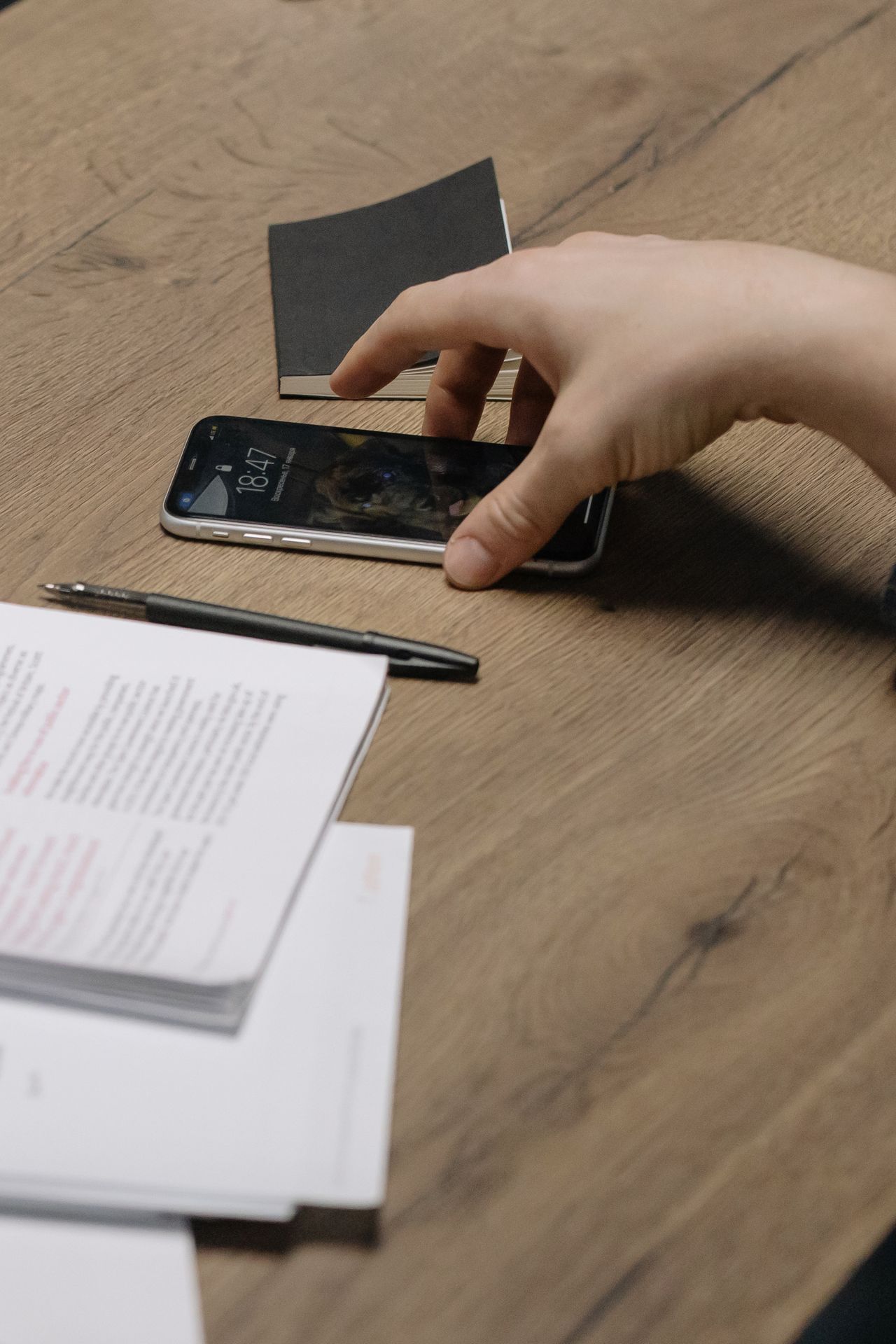

Modern white-collar and knowledge work operates within an unprecedented cognitive landscape. At any given moment, the average knowledge worker juggles an estimated dozen browser tabs, three asynchronous team communication channels, a personal phone vibrating with alerts, and a constant backlog of unread emails.
This way of working has shattered human attentional focus.
The human brain did not evolve to maintain what tech researcher Linda Stone termed continuous partial attention—a state of superficial, non-stop mental scanning where you are never fully engaged with any single task nor completely disengaged in genuine rest.
The result is digital fatigue: a state of neuro-energetic depletion characterized by a heavy sensation behind the eyes, short-term memory lapses, decision paralysis, and pervasive brain fog.
To reclaim your cognitive clarity, you must look at how digital hyper-stimulation impacts the prefrontal cortex and apply concrete boundaries to protect your mental energy.
The Neurochemistry of the Attention Economy
Why is it so difficult to close browser tabs and ignore incoming alerts? The answer lies in the dopaminergic pathways of your reward system.
Dopamine is not the neurochemical of satisfaction; it is the molecule of anticipation, exploration, and pursuit. It spikes most aggressively under conditions of intermittent variable rewards—the exact reinforcement schedule that makes slot machines compelling.
[Smartphone Notification]
         │
         ▼
[Dopamine Anticipation Spike] ──> "Is it critical? Is it praise?"
         │
         ▼
[Check Device] ──> [Superficial Resolution] ──> [Dopamine Dip Below Baseline]
         │
         ▼
[Compulsive Urge to Check Again]
Every time your phone chimes, your brain experiences an automatic micro-surge of dopamine. Is it an urgent message from a client? A funny meme? A critical project update?
To resolve that curiosity, you switch tasks to check the screen.
The True Cost of “Attentional Switching”
The brain does not multitask. What feels like multitasking is rapid task-switching.
Every switch carries a measurable metabolic cost in glucose and oxygen consumed by the prefrontal cortex. Furthermore, each shift leaves behind attention residue—a portion of your working memory that remains stuck evaluating the previous stimulus rather than the task at hand.
Studies from the University of California, Irvine indicate that it takes an average of 23 minutes and 15 seconds to regain deep focus on a primary task after an interruption. If you glance at a notification every seven minutes, you are operating in a perpetual state of fragmented focus.
The 4 Pillars of Digital Hygiene
Reversing digital fatigue requires structuring your digital tools so they cannot constantly interrupt your focus.
+--------------------+---------------------------------------------------------------+
| Strategy           | Practical Action Step                                         |
+--------------------+---------------------------------------------------------------+
| Grayscale Display  | Strip visual dopamine by removing vivid interface colors.    |
| Notification Culling| Disable all non-human push notifications permanently.        |
| Batch Communication| Process emails/messages in 2 dedicated 45-minute daily windows.|
| Environmental Guard| Physical boundaries: no phones in the bedroom or workspace.   |
+--------------------+---------------------------------------------------------------+
1. Eliminate the Visual Dopamine Hook: Go Grayscale
Smartphones use high-saturation reds, blues, and neon hues specifically because they capture visual attention. The red notification badge on an app icon triggers an evolutionary alarm response.
- The action step: Convert your smartphone display to monochrome / grayscale (found under Accessibility settings on both iOS and Android).
- When your screen is rendered in flat shades of gray, the compulsive urge to open and scroll apps drops substantially. The device transforms from a captivating stimulus into a basic utilitarian tool.
2. Ruthlessly Cull Notifications
The vast majority of app notifications provide zero tangible value to your day.
- Turn off notifications for all social media platforms, news outlets, streaming services, and shopping apps.
- Keep direct, real-time alerts active only for individual humans who may require immediate, urgent communication (e.g., immediate family phone calls or specific direct work lines).
- Everything else should be pulled on your own schedule, not pushed into your field of awareness.
3. Establish Structured Deep Work Blocks
Instead of keeping communication tools open all day, transition to batched communication windows:
- Close your email client and team chat apps entirely during your peak cognitive hours.
- Schedule two or three dedicated 45-minute windows per day to process, answer, and clear correspondence.
- Inform colleagues of your availability windows. Predictable communication is far more valuable to team productivity than immediate, erratic responses.
4. Create Sensory Rest Intervals
Breaking out of compulsive app-checking requires introducing small pauses throughout your routine to anchor your attention. Learn how to drop into these brief, practical resets by exploring our guide on micro-mindfulness daily habits.
The Evening Buffer: Protecting Recovery
Digital fatigue is compounded when late-night screen use robs the brain of restful sleep. If you carry the day’s cognitive load into the evening hours, your glymphatic system—the metabolic waste-clearance system of the brain that operates during deep sleep—cannot effectively clear built-up metabolic debris.
Protecting your focus during working hours becomes much easier when you enforce strict screen-free wind-down rituals at night. Implement our step-by-step environmental boundary strategies outlined in our complete guide to an evening routine for better sleep.
Actionable Reset Plan for Clear Mental Energy
- [ ] Convert your smartphone display to Grayscale permanently.
- [ ] Turn off all lock-screen banner notifications for non-essential applications.
- [ ] Block two 90-minute “Airplane Mode” deep work sprints on your calendar daily.
- [ ] Schedule two fixed times to check and clear emails rather than checking continuously.
- [ ] Step away from your desk completely during meals; eat without screens or podcasts.
- [ ] Power down all computing devices at least 60 minutes before bed.
Digital devices are powerful assets, but they should serve your focus, not drain it. By setting firm boundaries around your attention, you protect your prefrontal cortex from sensory overload, eliminate constant mental fatigue, and restore the capacity for deep, uninterrupted creative work.



2 thoughts on “The Cognitive Crisis: Continuous Partial Attention”