Skip to content
The Healthy Brief
  • Daily Living
  • Mind & Mood
  • Body & Nutrition
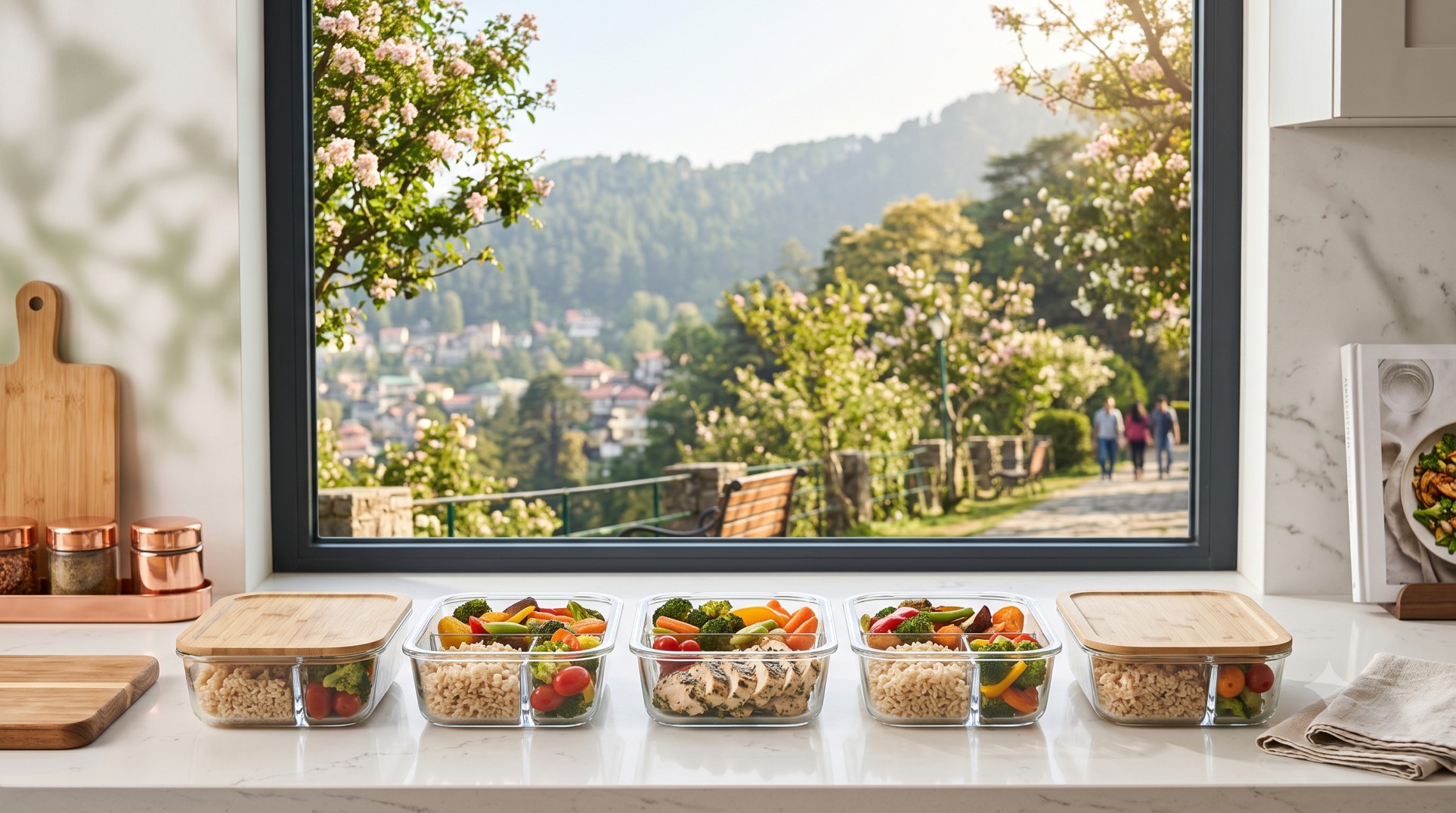
Glass meal prep containers filled with rice, chicken, and vegetables, showing safe leftover food storage.

The Leftover Paradox: Is Reheating Food Actually Dangerous, or Are We Misunderstanding Food Microbiology?

Posted on September 27, 2026September 27, 2026 By Agustin Cappuccino No Comments on The Leftover Paradox: Is Reheating Food Actually Dangerous, or Are We Misunderstanding Food Microbiology?
Daily Living, Body & Nutrition
Agustin Cappuccino
Agustin Cappuccino
Health & Wellness Writer

Few household routines are as common—or as clouded by online alarmism—as reheating yesterday’s leftovers. A quick search across social media turns up dire warnings claiming that reheating cooked rice creates lethal poisons, that warming leftover poultry turns proteins toxic, or that microwaving meals destroys all biological nutrition.

These warnings often cause home cooks to hesitate at the refrigerator door, wondering whether that container of rice, chicken, or stew is safe to eat or destined for the trash.

However, the assumption that the thermal act of reheating creates toxicity is fundamentally flawed. Reheating is not the biological villain; the true danger lies in what happens to the food’s microbiological ecosystem before it ever touches the heat.

Understanding the principles of bacterial sporulation, heat-stable enterotoxins, and proper thermal storage bridges the gap between internet myths and evidence-based food safety.

1. The Preformed Toxin Problem: Why Heat Cannot Undo Bad Storage

The core misconception surrounding leftover safety assumes that heating food until it is steaming hot sterilizes everything, rendering any food safe.

In microbiology, pathogens fall into two broad categories: vegetative bacteria and bacterial spores.

  1. Vegetative Bacteria (Heat-Labile): Common pathogens like Salmonella, Escherichia coli, and Campylobacter are vegetative cells. Bringing food to an internal temperature of 165°F (74°C) effectively denatures their cellular proteins, neutralizing them.
  2. Spore-Forming Pathogens & Preformed Toxins (Heat-Stable): Certain environmental bacteria—most notably Bacillus cereus and Staphylococcus aureus—form dormant, protective endospores that survive the boiling point of water.

When cooked food is left sitting at room temperature within the “Temperature Danger Zone” (between 40°F and 140°F / 4°C and 60°C) for more than two hours, these dormant spores germinate. As the bacteria metabolize, they produce heat-stable enterotoxins (such as cereulide in Bacillus cereus).

These chemical toxins are unaffected by subsequent microwave or stovetop heating. Even if you reheat the meal until it is bubbling, the bacteria may die, but the chemically stable toxins remain intact, triggering acute emetic (vomiting) or diarrheal food poisoning within hours of consumption.

Reheating is simply a thermal step. If food was allowed to incubate bacterial toxins on the kitchen counter, no amount of re-cooking will make it safe.

2. Deconstructing Common “Forbidden” Leftovers

Internet lists frequently categorize specific staples as inherently unsafe to reheat. Looking at each through a microbiological lens reveals what is actually taking place:

Cooked Rice (“Fried Rice Syndrome”)

  • The Internet Myth: Reheating rice produces lethal poisons.
  • The Clinical Science: Raw rice naturally carries environmental spores of Bacillus cereus. Normal boiling or steaming cooks the grain but does not kill the spores. If cooked rice is left to cool slowly in a warm cooker or on a counter, the spores awaken and generate heat-resistant enterotoxins.
  • The Safe Protocol: Cool cooked rice quickly and refrigerate it within 1 to 2 hours of cooking. Reheat it thoroughly to steaming hot, and it remains completely safe.

Poultry and Meat Proteins

  • The Internet Myth: Reheating chicken alters protein structures to create toxic chemical byproducts.
  • The Clinical Science: Secondary heating causes minor additional protein denaturation—which can tighten muscle fibers and make the meat drier or slightly tougher to chew—but it creates zero biological poisons. The actual danger stems solely from uneven storage or leaving cooked meat at room temperature before refrigeration.

Cooked Potatoes and Starch Density

  • The Internet Myth: Potatoes become toxic overnight.
  • The Clinical Science: Dense, moist starches like whole baked potatoes wrapped in aluminum foil create an anaerobic (oxygen-deprived) environment. If left cooling at room temperature for prolonged periods, this environment can facilitate the germination of Clostridium botulinum spores. Storing cooked potatoes in the refrigerator promptly removes this risk entirely.

Eggs and Sulfur Compounds

  • The Internet Myth: Reheated eggs are poisonous due to chemical changes.
  • The Clinical Science: Reheating hard-boiled or scrambled eggs can cause iron in the yolk to react with hydrogen sulfide in the white, producing a harmless greenish ring and a sharp sulfuric aroma. While the texture and flavor may decline, properly refrigerated eggs carry no toxic risk when reheated.

3. Does Reheating Destroy Nutrients?

Another common fear is that reheating food strips away its nutritional value, leaving behind “dead calories.”

In reality, thermal re-processing causes modest reductions in specific heat-sensitive and water-soluble micronutrients—primarily Vitamin C and certain B vitamins (like folate and thiamine). However, the macronutrients (proteins, complex carbohydrates, and essential fats) and essential minerals (iron, zinc, calcium, magnesium) remain biologically stable.

In some cases, the cooling and reheating cycle actually offers metabolic advantages:

  • Resistant Starch Formation: Cooling cooked starches like rice, potatoes, and pasta triggers a process called starch retrogradation. This converts a portion of rapidly digestible amylose into Type 3 Resistant Starch.
  • Metabolic Benefits: Resistant starch bypasses enzymatic digestion in the small intestine, acting as a prebiotic fiber in the colon that feeds beneficial microbes, increases short-chain fatty acid (SCFA) production, and blunts postprandial blood sugar spikes when reheated.

4. Microwaves vs. Stovetops: Managing Thermal Cold Spots

A critical operational risk when reheating food is thermal distribution.

Microwaves heat food by exciting water, sugar, and fat molecules via electromagnetic radiation. Because microwave wavelengths bounce unevenly within the oven cavity, they naturally create thermal hot spots and cold spots.

If a portion of leftover food remains in a cold pocket (below 140°F / 60°C), any surviving surface bacteria can continue to proliferate.

Reheating MethodPrimary Operational RiskClinical Mitigation Protocol
Microwave OvenUneven dielectric heating; cold pockets harbor bacteria.Pause halfway through heating to stir, rotate, or redistribute the food; cover with a vented lid to trap steam.
Stovetop / OvenSlow thermal conduction if heating large, dense volumes.Bring liquid dishes (soups, curries, stews) to a rolling boil; reheat solid proteins in smaller, thinner portions.

5. The Golden Rules of Leftover Safety

To eliminate the risk of foodborne enterotoxins while reducing household food waste, follow these foundational food safety parameters:

  1. The 2-Hour Window: Transfer cooked meals into the refrigerator within two hours of preparation (or within one hour if ambient room temperature exceeds 90°F / 32°C). Divide large, dense batches into shallow containers to accelerate cooling down to the safe zone.
  2. Refrigerate Below 40°F (4°C): Ensure your refrigerator maintains an internal temperature below 4°C to halt the proliferation of psychrotrophic bacteria.
  3. Reheat to 165°F (74°C): Reheat foods until steaming hot throughout, verifying that soups and sauces reach a full rolling boil.
  4. Avoid the “Infinite Time-Loop”: Every cycle of cooling, chilling, and reheating provides another window for bacterial reactivation and moisture loss. Only reheat the specific portion you intend to consume; leave the remainder safely chilled.

Reheating food is not an inherently dangerous habit. When meals are stored promptly, cooled efficiently, and reheated thoroughly, leftovers remain a nutritious, convenient, and safe pillar of everyday health.

🩺 Editorial Note & Medical Disclaimer

The information provided on healandnourish.com is intended for educational and informational purposes only and should not be construed as professional medical, nutritional, or regulatory food safety advice. If you suspect you are experiencing severe foodborne illness with symptoms like persistent vomiting, high fever, or dehydration, seek evaluation from a qualified healthcare professional immediately.

References & Clinical Resources

  • U.S. Department of Agriculture (USDA) Food Safety and Inspection Service: Review official food safety regulations regarding leftovers, the danger zone, and internal cooking temperatures via the USDA FSIS Leftovers Guidelines.
  • Centers for Disease Control and Prevention (CDC): Access public health monographs detailing Bacillus cereus, enterotoxin epidemiology, and foodborne illness prevention at the CDC Food Safety Portal.
  • World Health Organization (WHO): Explore the “Five Keys to Safer Food” manual and international microbial standards through the WHO Food Safety Repository.
  • The American Journal of Clinical Nutrition: Review peer-reviewed research on starch retrogradation, resistant starch synthesis, and postprandial glucose blunting in reheated starches at the Oxford Academic AJCN Database.


Post navigation

❮ Previous Post: High Blood Pressure Symptoms: Why the Silent Killer Can Go Unnoticed
Next Post: The Bedtime Glow: Does Scrolling on Your Phone in the Dark Cause Permanent Eye Damage? ❯

You may also like

Abstract scientific representation of human biology and neuroanatomy exploring unsolved physiological mysteries.
Body & Nutrition
The Biological Paradox: 5 Unsolved Mysteries of Human Physiology That Modern Medicine Still Cannot Fully Explain
October 2, 2026
Individual walking outdoors casually incorporating more movement into daily life.
Body & Nutrition
The “Active Couch Potato” Paradox
July 11, 2026
Fresh whole foods, fruits, vegetables, whole grains, and protein sources representing modern nutrition guidelines.
Body & Nutrition
Rethinking the Plate What the Latest National Dietary Guidelines Mean for Your Health
October 12, 2026
A cluster of fresh bananas showing stages of ripeness on a wooden countertop next to healthy whole foods.
Daily Living
The 45-Day Banana Protocol: Metabolic, Renal, and Gut Microbiome Shifts from Daily Musa Ingestion
October 1, 2026

Leave a Reply Cancel reply

Your email address will not be published. Required fields are marked *

Healthy Tip of the Day
Give Your Eyes a Screen Break
Staring at screens for long periods can contribute to eye strain and dryness. Taking regular breaks gives your eyes a chance to relax and reminds you to blink more often.
Simple goal: Try the 20-20-20 rule: every 20 minutes, look at something about 20 feet away for at least 20 seconds.
  • Body & Nutrition (12)
  • Daily Living (23)
  • Mind & Mood (9)
✉

Get The Healthy Brief

Clear health news, wellness insights, and practical tips delivered to your inbox.

Free to join. Unsubscribe anytime.

  • Close-up of a person with mild eye redness beside a bottle of eye drops, illustrating temporary eye redness relief.
    FDA Approves Brytly Eye Drops for Redness Relief: What to Know
    by Nick Campbell
    October 17, 2026
  • A person enjoying a healthy morning routine with a glass of water, fresh fruit, and a journal in natural daylight.
    10 Daily Healthy Habits for Better Health, More Energy, and Less Stress
    by Nick Campbell
    October 13, 2026
  • Fresh whole foods, fruits, vegetables, whole grains, and protein sources representing modern nutrition guidelines.
    Rethinking the Plate What the Latest National Dietary Guidelines Mean for Your Health
    by Nick Campbell
    October 12, 2026
  • Cup of morning coffee beside a sunlit window, illustrating caffeine timing and daytime energy.
    Is Your Morning Coffee Making You Tired Later? The Truth About Adenosine and Caffeine
    by Nick Campbell
    October 11, 2026
  • Person struggling with chronic insomnia while looking at the clock at night
    Beyond Melatonin: What Really Helps With Chronic Insomnia?
    by Noah Colasanto
    October 7, 2026
  • Can Egg Yolk Help Hair Growth? What the Science Really Says
    by Nick Campbell
    October 7, 2026
  • Person practicing 10 minutes of mindfulness meditation in a quiet room
    The Neuroscience of Stillness: How 10 Minutes of Meditation May Support a Healthier Brain
    by Nick Campbell
    October 5, 2026
  • A person resting peacefully in a dim bedroom, depicting healthy evening sleep hygiene and digestion.
    The Postprandial Recumbency Trap: Why Sleeping Right After Eating Sabotages Digestion, Heartburn Defense, and Deep Sleep
    by Agustin Cappuccino
    October 3, 2026
  • Abstract scientific representation of human biology and neuroanatomy exploring unsolved physiological mysteries.
    The Biological Paradox: 5 Unsolved Mysteries of Human Physiology That Modern Medicine Still Cannot Fully Explain
    by Noah Colasanto
    October 2, 2026
  • A cluster of fresh bananas showing stages of ripeness on a wooden countertop next to healthy whole foods.
    The 45-Day Banana Protocol: Metabolic, Renal, and Gut Microbiome Shifts from Daily Musa Ingestion
    by Nick Campbell
    October 1, 2026
  • An active adult running comfortably outdoors, representing natural knee preservation and athletic joint mobility.
    The 80% Rule: Why Most People Told They Need a Total Knee Replacement Actually Don’t
    by Nick Campbell
    September 30, 2026
  • A nutrient-dense balanced breakfast featuring poached eggs, avocado, and berries on a sunlit table.
    The Fasting Fallacy: Why Skipping Breakfast Triggers Cortisol Elevation, Muscle Catabolism, and Rebound Overeating
    by Noah Colasanto
    September 29, 2026
  • Introducing soft ambient bias lighting prevents extreme pupillary contrast stress and eases nighttime digital eye strain.
    The Bedtime Glow: Does Scrolling on Your Phone in the Dark Cause Permanent Eye Damage?
    by Noah Colasanto
    September 28, 2026
  • Glass meal prep containers filled with rice, chicken, and vegetables, showing safe leftover food storage.
    The Leftover Paradox: Is Reheating Food Actually Dangerous, or Are We Misunderstanding Food Microbiology?
    by Agustin Cappuccino
    September 27, 2026
  • An adult calmly measuring their blood pressure with a digital upper-arm monitor at home.
    High Blood Pressure Symptoms: Why the Silent Killer Can Go Unnoticed
    by Noah Colasanto
    September 26, 2026
  • A person resting peacefully in bed, highlighting healthy sleep posture and spinal alignment.
    The Prone Dilemma: Biomechanical Stress, Airway Dynamics, and the Hidden Cost of Sleeping on Your Stomach
    by Nick Campbell
    September 25, 2026
  • A balanced meal on a table next to a glass of water, showing healthy mealtime hydration.
    The Stomach Acid Myth: Does Drinking Water After Meals Actually Harm Digestion?
    by Agustin Cappuccino
    September 24, 2026
  • Takishima Mika demonstrating an active lifestyle and healthy aging in her 90s
    What a 90+ Fitness Instructor Can Teach Us About Healthy Aging
    by Noah Colasanto
    September 23, 2026
  • Older adult speaking with a psychiatrist during a discussion about emerging treatments for generalized anxiety disorder
    The Long Winter of Anxiety: Could One Experimental Treatment Change Psychiatry?
    by Nick Campbell
    September 20, 2026
  • Person walking in nature to lower stress and rebalance cortisol levels.
    The Biological Architecture of Burnout
    by Noah Colasanto
    September 11, 2026
  • Person with closed eyes practicing deep breathing for autonomic calm.
    The Breath: The Direct Bridge to Autonomic Control
    by Agustin Cappuccino
    August 31, 2026
  • The Invisible Geyser: What Really Happens Every Time You Flush
    by Nick Campbell
    August 16, 2026
  • Balanced meal featuring fiber, clean protein, and healthy fats on a dinner plate.
    The Glucose Rollercoaster: The Hidden Culprit Behind the 3 PM Slump
    by Nick Campbell
    August 11, 2026
  • Assorted fermented probiotic foods and high-fiber ingredients that support microbiome diversity.
    The “Second Brain” in Your Abdomen
    by Nick Campbell
    August 11, 2026
  • Selection of packaged ultra-processed foods displaying colorful snack wrappers and processed grocery items
    Beyond the Label The Hidden Cost of Ultra-Processed Foods
    by Noah Colasanto
    August 5, 2026
  • Scientific illustration showing experimental biomimetic enamel regeneration on a damaged human tooth
    The Living Armor: Could Scientists Finally Teach Damaged Teeth to Repair Themselves?
    by Nick Campbell
    July 19, 2026
  • Individual walking outdoors casually incorporating more movement into daily life.
    The “Active Couch Potato” Paradox
    by Nick Campbell
    July 11, 2026
  • Glass of fresh water with citrus and mineral electrolyte balance.
    The Dehydration Irony: Drinking Gallons and Staying Thirsty
    by Nick Campbell
    July 11, 2026
  • Turned-over smartphone next to a journal showing digital boundary setting.
    The Cognitive Crisis: Continuous Partial Attention
    by Agustin Cappuccino
    July 4, 2026
  • Ergonomic desk setup with monitor at eye level and supportive office chair.
    The Remote Work Trap: How Subtle Biomechanical Strain Accumulates
    by Nick Campbell
    June 11, 2026
  • Person standing in golden morning sunlight outdoors to reset circadian rhythm.
    The Biological Power of Morning Light: Resetting Your Energy and Sleep
    by Agustin Cappuccino
    June 8, 2026
  • Person walking in nature to lower stress and rebalance cortisol levels.
    The Modern Evening Crisis: Why Your Brain Refuses to Sleep
    by Noah Colasanto
    June 1, 2026
  • Terms of Use
  • Subscribe
  • Privacy Policy
  • Medical Disclaimer
  • Editorial Guidelines
  • Comment Policy
  • Affiliate Disclosure
  • About Us
  • Disclaimer

Copyright © 2026 The Healthy Brief.

Theme: Oceanly Green by ScriptsTown