Skip to content
The Healthy Brief
  • Daily Living
  • Mind & Mood
  • Body & Nutrition
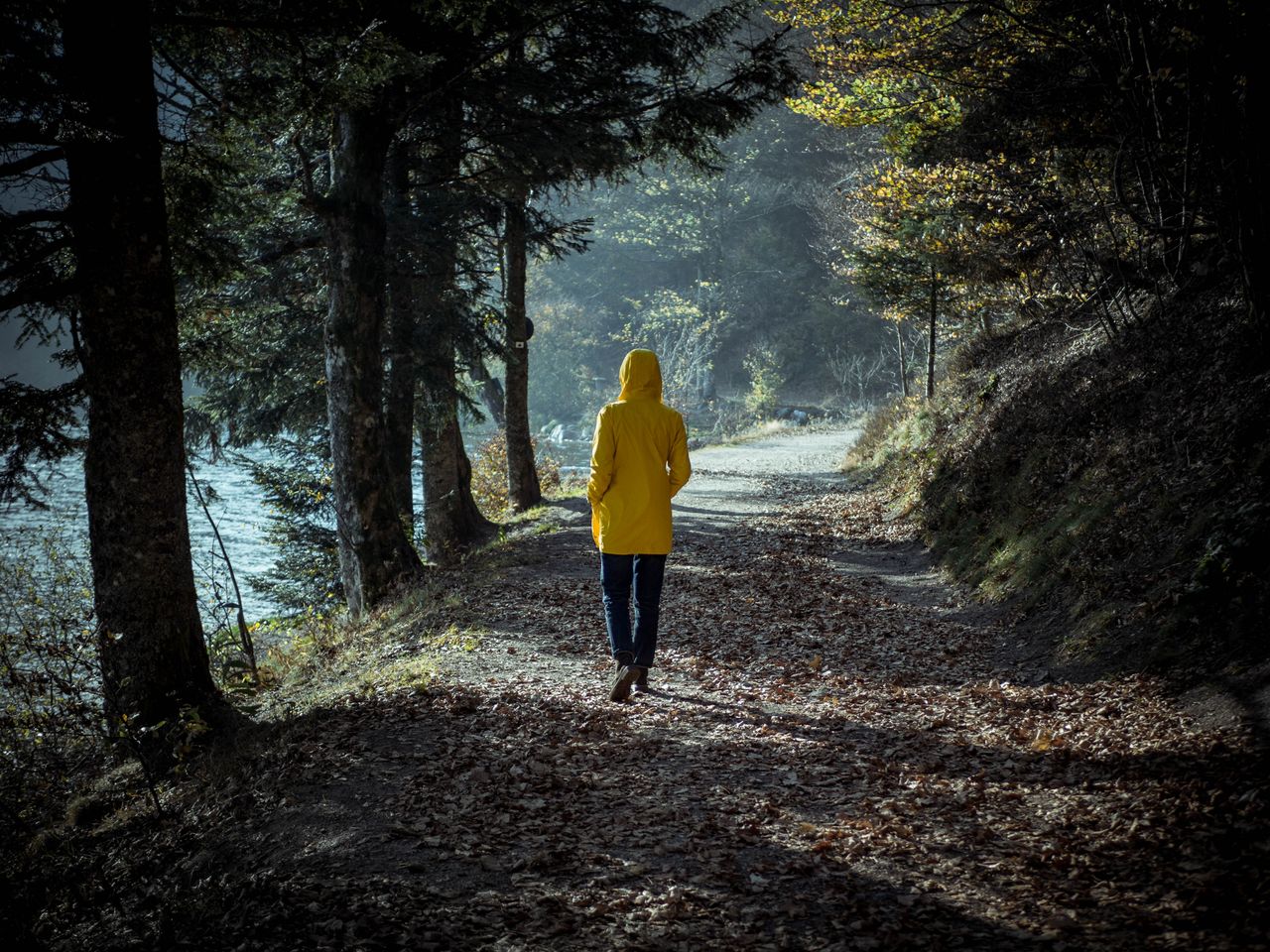
Person walking in nature to lower stress and rebalance cortisol levels.

The Biological Architecture of Burnout

Posted on September 11, 2026September 21, 2026 By Noah Colasanto 2 Comments on The Biological Architecture of Burnout
Mind & Mood
Noah Colasanto
Noah Colasanto
Health & Wellness Writer

Burnout is often discussed as an emotional or professional failure—a lack of willpower, boundary-setting, or mental toughness. In clinical reality, burnout is fundamentally biological. It represents the physiological collapse of your body’s adaptive stress systems under prolonged, unrelieved pressure.

At the center of this breakdown is the hypothalamic-pituitary-adrenal (HPA) axis, the neuroendocrine network responsible for managing how your body responds to perceived threats.

When your brain registers an environmental, emotional, or physiological challenge, the hypothalamus releases corticotropin-releasing hormone (CRH). This triggers the anterior pituitary gland to release adrenocorticotropic hormone (ACTH) into your bloodstream, prompting the adrenal cortex to produce glucocorticoids—primarily cortisol.

[Perceived Stressor] 
         │
         ▼
[Hypothalamus] ──(CRH)──> [Pituitary Gland] ──(ACTH)──> [Adrenal Cortex]
                                                              │
                                                              ▼
                                                        [Cortisol Release]

In acute situations—such as dodging oncoming traffic or sprinting to catch a train—cortisol is life-saving. It liberates glucose from glycogen stores, sharpens mental focus, elevates arterial blood pressure, and temporarily suspends non-essential operations such as digestion, reproduction, and long-term tissue repair.

The crisis passes, cortisol clears through hepatic metabolism, and your system returns to baseline homeostatic equilibrium.

Modern stressors, however, do not pass. Open email threads, financial uncertainty, digital hyper-connectivity, and relentless professional demands trigger micro-activations of this axis throughout the day.

When the HPA axis runs continuously without restorative pauses, the negative feedback loops designed to shut down cortisol production break down. The result is chronic systemic dysregulation.

The Two Phases of Cortisol Dysregulation

Cortisol imbalances typically progress through two distinct clinical phases:

Phase 1: The Hyper-Cortisolemic State (“Wired and Tired”)

In the early to middle stages of chronic stress, your adrenal glands produce excessive amounts of cortisol throughout the day.

Crucially, the natural diurnal rhythm flattens. Cortisol should peak shortly after waking (the cortisol awakening response) and steadily decline to a nadir around midnight.

Under sustained stress, evening cortisol remains elevated. You feel physically exhausted by dinner, yet the moment your head hits the pillow, your heart races, your brain scans for potential problems, and sleep remains elusive.

Phase 2: HPA-Axis Blunting (Clinical Exhaustion)

Left unchecked, your brain acts to protect peripheral tissues from toxic levels of glucocorticoid exposure by down-regulating adrenal sensitivity and reducing central CRH drive. Cortisol output drops significantly.

In this phase, you experience profound, unyielding lethargy. Waking up feels like dragging yourself through wet cement, afternoon crashes are severe, immune defenses plummet, and even minor everyday tasks feel insurmountable.

+--------------------------+-------------------------------------------------------+
| Body System              | Physical Manifestation of Chronic Cortisol Burden     |
+--------------------------+-------------------------------------------------------+
| Metabolism               | Visceral adiposity (belly fat), insulin resistance.  |
| Immune Function          | Frequent low-grade viral infections, slow healing.   |
| Musculoskeletal          | Muscle wasting, persistent neck and shoulder tension.|
| Cognitive / Emotional    | Short-term memory lapses, irritability, anhedonia.    |
| Gastrointestinal         | Altered motility, blunted stomach acid production.    |
+--------------------------+-------------------------------------------------------+

The Systemic Toll: What High Cortisol Does to Organs

Chronic cortisol exposure is not confined to feeling stressed; it alters your internal biology:

  • Impaired Hippocampal Neurogenesis: The hippocampus—the brain region critical for learning and memory formation—is packed with glucocorticoid receptors. Chronic cortisol saturates these receptors, triggering dendritic atrophy and blunting the birth of new neurons. This explains the characteristic “brain fog” and memory slips of burnout.
  • Metabolic Shifts toward Visceral Fat: Cortisol mobilizes internal fuel stores. Chronic elevation drives glucose into the bloodstream, stimulating reciprocal insulin spikes that preferentially deposit visceral adipose tissue around your deep abdominal organs.
  • Gut Barrier Disruption: Sustained nervous system stress does not stay confined to the mind—it directly alters microbiome diversity and digestive motility. To understand how your digestive tract mirrors and shapes this stress response, read our guide on the gut-brain axis and mood.

Rebuilding the System: Evidence-Based Reset Protocols

Recovering from burnout requires sending consistent physiological cues of safety to your central nervous system.

1. Down-Regulate Autonomic Tone in Real Time

You cannot simply tell an overstimulated brain to “calm down.” Cognitive reframing is rarely effective when the limbic system perceives immediate threat. You must access the nervous system through bottom-up physiological pathways.

When stress spikes suddenly, short-acting physiological sighs and calming breath exercises offer immediate relief to your heart rate. Learn how to activate this vagal brake in our clinical breakdown of breathwork techniques for stress relief.

2. Guard the Cortisol Awakening Response (CAR)

Protect your natural diurnal hormone curve. Expose your eyes to high-lux natural outdoor light within the first hour of waking to anchor the peak of your morning cortisol pulse, allowing it to drop naturally as evening approaches.

Simultaneously, eliminate high-intensity resistance training or intense endurance work late in the evening, which artificially spikes cortisol when your body is preparing for cellular repair.

3. Implement Systematic Cognitive Boundaries

Schedule mandatory periods of non-work cognitive rest throughout the week. This does not mean passive television viewing—which often sustains low-grade cognitive arousal—but activities that allow your default mode network to wander without goal orientation: gentle walking in natural environments, reading printed literature, or creative analog hobbies.

4. Optimize Adaptogenic and Micronutrient Support

Under chronic stress, adrenal pathways rapidly consume specific micronutrients:

  • Vitamin C: The adrenal glands maintain one of the highest concentrations of ascorbic acid in the body, utilizing it directly in steroidogenesis.
  • Magnesium: Chronic cortisol elevation increases urinary excretion of magnesium. Replenishing with magnesium glycinate or threonate supports cellular energy production and blocks excessive NMDA receptor excitability.
  • Ashwagandha (Withania somnifera): Clinical trials consistently demonstrate that standardized root extracts of ashwagandha modulate HPA-axis signaling, lowering serum cortisol levels by up to 20–30% in chronically stressed adults.

Recovery from burnout is not an overnight event; it is an incremental physiological rebuild. By respecting the biological rhythms of your endocrine system and consistently applying physical brakes to your stress response, you restore baseline resilience and reclaim your sustained daily drive.
Post navigation

❮ Previous Post: The Breath: The Direct Bridge to Autonomic Control
Next Post: The Long Winter of Anxiety: Could One Experimental Treatment Change Psychiatry? ❯

You may also like

Person struggling with chronic insomnia while looking at the clock at night
Daily Living
Beyond Melatonin: What Really Helps With Chronic Insomnia?
October 7, 2026
Cup of morning coffee beside a sunlit window, illustrating caffeine timing and daytime energy.
Daily Living
Is Your Morning Coffee Making You Tired Later? The Truth About Adenosine and Caffeine
October 11, 2026
Turned-over smartphone next to a journal showing digital boundary setting.
Mind & Mood
The Cognitive Crisis: Continuous Partial Attention
July 4, 2026
Takishima Mika demonstrating an active lifestyle and healthy aging in her 90s
Daily Living
What a 90+ Fitness Instructor Can Teach Us About Healthy Aging
September 23, 2026

2 thoughts on “The Biological Architecture of Burnout”

  1. Pingback: Science-Backed Breathwork: How Simple Breathing Shifts Fast Anxiety
  2. Pingback: The Gut-Brain Axis: How Your Digestive Health Directs Your Mood

Leave a Reply Cancel reply

Your email address will not be published. Required fields are marked *

Healthy Tip of the Day
Give Your Eyes a Screen Break
Staring at screens for long periods can contribute to eye strain and dryness. Taking regular breaks gives your eyes a chance to relax and reminds you to blink more often.
Simple goal: Try the 20-20-20 rule: every 20 minutes, look at something about 20 feet away for at least 20 seconds.
  • Body & Nutrition (12)
  • Daily Living (23)
  • Mind & Mood (9)
✉

Get The Healthy Brief

Clear health news, wellness insights, and practical tips delivered to your inbox.

Free to join. Unsubscribe anytime.

  • Close-up of a person with mild eye redness beside a bottle of eye drops, illustrating temporary eye redness relief.
    FDA Approves Brytly Eye Drops for Redness Relief: What to Know
    by Nick Campbell
    October 17, 2026
  • A person enjoying a healthy morning routine with a glass of water, fresh fruit, and a journal in natural daylight.
    10 Daily Healthy Habits for Better Health, More Energy, and Less Stress
    by Nick Campbell
    October 13, 2026
  • Fresh whole foods, fruits, vegetables, whole grains, and protein sources representing modern nutrition guidelines.
    Rethinking the Plate What the Latest National Dietary Guidelines Mean for Your Health
    by Nick Campbell
    October 12, 2026
  • Cup of morning coffee beside a sunlit window, illustrating caffeine timing and daytime energy.
    Is Your Morning Coffee Making You Tired Later? The Truth About Adenosine and Caffeine
    by Nick Campbell
    October 11, 2026
  • Person struggling with chronic insomnia while looking at the clock at night
    Beyond Melatonin: What Really Helps With Chronic Insomnia?
    by Noah Colasanto
    October 7, 2026
  • Can Egg Yolk Help Hair Growth? What the Science Really Says
    by Nick Campbell
    October 7, 2026
  • Person practicing 10 minutes of mindfulness meditation in a quiet room
    The Neuroscience of Stillness: How 10 Minutes of Meditation May Support a Healthier Brain
    by Nick Campbell
    October 5, 2026
  • A person resting peacefully in a dim bedroom, depicting healthy evening sleep hygiene and digestion.
    The Postprandial Recumbency Trap: Why Sleeping Right After Eating Sabotages Digestion, Heartburn Defense, and Deep Sleep
    by Agustin Cappuccino
    October 3, 2026
  • Abstract scientific representation of human biology and neuroanatomy exploring unsolved physiological mysteries.
    The Biological Paradox: 5 Unsolved Mysteries of Human Physiology That Modern Medicine Still Cannot Fully Explain
    by Noah Colasanto
    October 2, 2026
  • A cluster of fresh bananas showing stages of ripeness on a wooden countertop next to healthy whole foods.
    The 45-Day Banana Protocol: Metabolic, Renal, and Gut Microbiome Shifts from Daily Musa Ingestion
    by Nick Campbell
    October 1, 2026
  • An active adult running comfortably outdoors, representing natural knee preservation and athletic joint mobility.
    The 80% Rule: Why Most People Told They Need a Total Knee Replacement Actually Don’t
    by Nick Campbell
    September 30, 2026
  • A nutrient-dense balanced breakfast featuring poached eggs, avocado, and berries on a sunlit table.
    The Fasting Fallacy: Why Skipping Breakfast Triggers Cortisol Elevation, Muscle Catabolism, and Rebound Overeating
    by Noah Colasanto
    September 29, 2026
  • Introducing soft ambient bias lighting prevents extreme pupillary contrast stress and eases nighttime digital eye strain.
    The Bedtime Glow: Does Scrolling on Your Phone in the Dark Cause Permanent Eye Damage?
    by Noah Colasanto
    September 28, 2026
  • Glass meal prep containers filled with rice, chicken, and vegetables, showing safe leftover food storage.
    The Leftover Paradox: Is Reheating Food Actually Dangerous, or Are We Misunderstanding Food Microbiology?
    by Agustin Cappuccino
    September 27, 2026
  • An adult calmly measuring their blood pressure with a digital upper-arm monitor at home.
    High Blood Pressure Symptoms: Why the Silent Killer Can Go Unnoticed
    by Noah Colasanto
    September 26, 2026
  • A person resting peacefully in bed, highlighting healthy sleep posture and spinal alignment.
    The Prone Dilemma: Biomechanical Stress, Airway Dynamics, and the Hidden Cost of Sleeping on Your Stomach
    by Nick Campbell
    September 25, 2026
  • A balanced meal on a table next to a glass of water, showing healthy mealtime hydration.
    The Stomach Acid Myth: Does Drinking Water After Meals Actually Harm Digestion?
    by Agustin Cappuccino
    September 24, 2026
  • Takishima Mika demonstrating an active lifestyle and healthy aging in her 90s
    What a 90+ Fitness Instructor Can Teach Us About Healthy Aging
    by Noah Colasanto
    September 23, 2026
  • Older adult speaking with a psychiatrist during a discussion about emerging treatments for generalized anxiety disorder
    The Long Winter of Anxiety: Could One Experimental Treatment Change Psychiatry?
    by Nick Campbell
    September 20, 2026
  • Person walking in nature to lower stress and rebalance cortisol levels.
    The Biological Architecture of Burnout
    by Noah Colasanto
    September 11, 2026
  • Person with closed eyes practicing deep breathing for autonomic calm.
    The Breath: The Direct Bridge to Autonomic Control
    by Agustin Cappuccino
    August 31, 2026
  • The Invisible Geyser: What Really Happens Every Time You Flush
    by Nick Campbell
    August 16, 2026
  • Balanced meal featuring fiber, clean protein, and healthy fats on a dinner plate.
    The Glucose Rollercoaster: The Hidden Culprit Behind the 3 PM Slump
    by Nick Campbell
    August 11, 2026
  • Assorted fermented probiotic foods and high-fiber ingredients that support microbiome diversity.
    The “Second Brain” in Your Abdomen
    by Nick Campbell
    August 11, 2026
  • Selection of packaged ultra-processed foods displaying colorful snack wrappers and processed grocery items
    Beyond the Label The Hidden Cost of Ultra-Processed Foods
    by Noah Colasanto
    August 5, 2026
  • Scientific illustration showing experimental biomimetic enamel regeneration on a damaged human tooth
    The Living Armor: Could Scientists Finally Teach Damaged Teeth to Repair Themselves?
    by Nick Campbell
    July 19, 2026
  • Individual walking outdoors casually incorporating more movement into daily life.
    The “Active Couch Potato” Paradox
    by Nick Campbell
    July 11, 2026
  • Glass of fresh water with citrus and mineral electrolyte balance.
    The Dehydration Irony: Drinking Gallons and Staying Thirsty
    by Nick Campbell
    July 11, 2026
  • Turned-over smartphone next to a journal showing digital boundary setting.
    The Cognitive Crisis: Continuous Partial Attention
    by Agustin Cappuccino
    July 4, 2026
  • Ergonomic desk setup with monitor at eye level and supportive office chair.
    The Remote Work Trap: How Subtle Biomechanical Strain Accumulates
    by Nick Campbell
    June 11, 2026
  • Person standing in golden morning sunlight outdoors to reset circadian rhythm.
    The Biological Power of Morning Light: Resetting Your Energy and Sleep
    by Agustin Cappuccino
    June 8, 2026
  • Person walking in nature to lower stress and rebalance cortisol levels.
    The Modern Evening Crisis: Why Your Brain Refuses to Sleep
    by Noah Colasanto
    June 1, 2026
  • Terms of Use
  • Subscribe
  • Privacy Policy
  • Medical Disclaimer
  • Editorial Guidelines
  • Comment Policy
  • Affiliate Disclosure
  • About Us
  • Disclaimer

Copyright © 2026 The Healthy Brief.

Theme: Oceanly Green by ScriptsTown