
For older adults, dental problems can become more complicated with time.
Years of fillings, gum recession, dry mouth, acidic foods and medications can all change the condition of the mouth. Some people find that teeth that once seemed almost indestructible suddenly become more sensitive or vulnerable to decay.
That is why a recent development in enamel research is attracting attention.
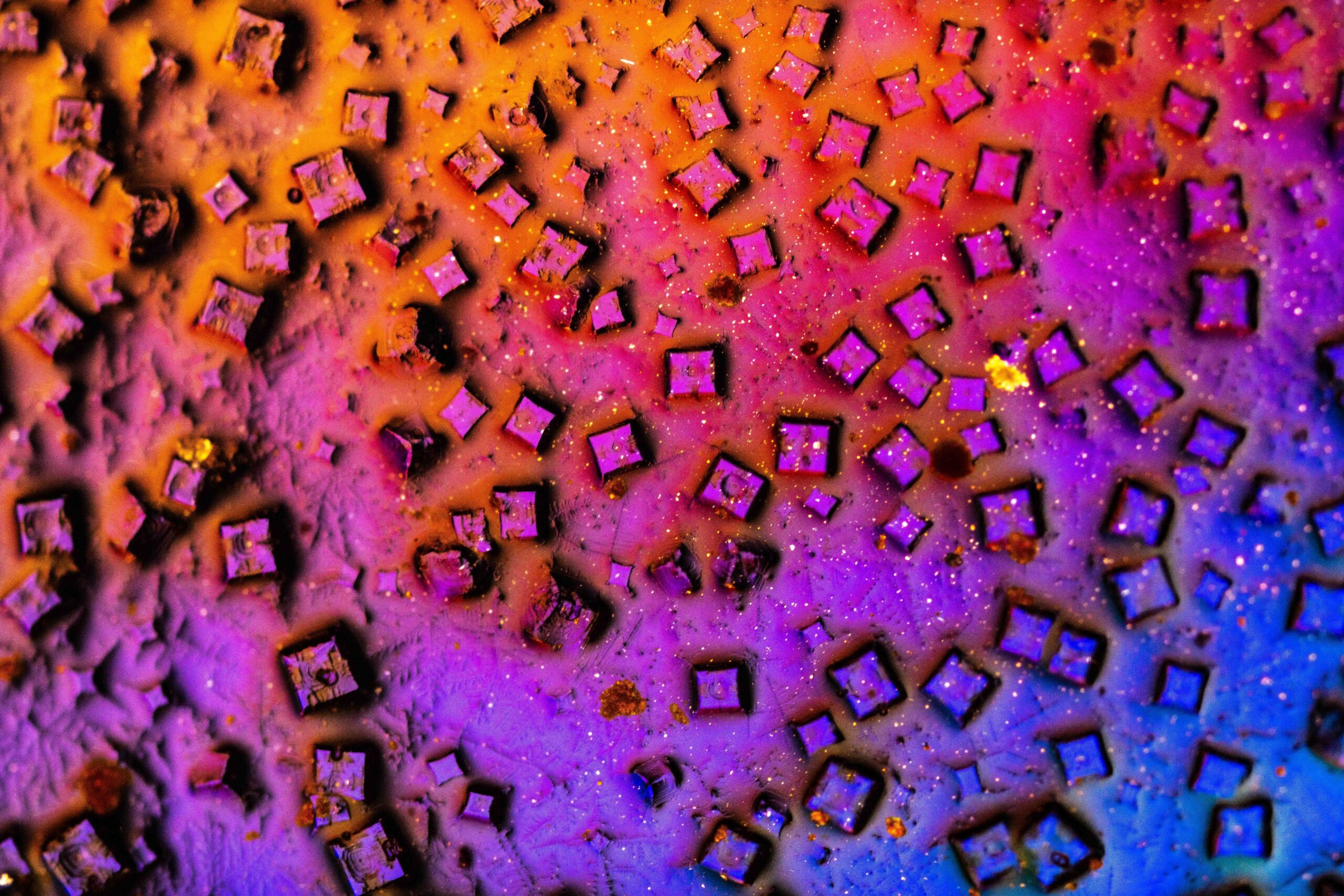
Scientists have designed a biomimetic protein matrix that can organize mineral growth on damaged enamel. Rather than simply covering a defect with a conventional restorative material, the experimental approach attempts to recreate some of the microscopic architecture of natural enamel.
The study, published in Nature Communications in November 2025, reported that the matrix could trigger organized growth of apatite nanocrystals and restore mechanical properties in laboratory-treated human enamel.
It is an exciting result.
But it is also important to understand what the research does—and does not—mean.
Why enamel is so difficult to replace
Enamel is remarkably strong, but it has one major weakness: mature enamel does not contain living cells capable of rebuilding it from within.
During tooth development, specialized cells called ameloblasts produce enamel. Once the tooth has formed and erupted, those cells are no longer present.
That means the body can repair and remineralize very early mineral loss, but it cannot simply grow a completely new layer of mature enamel after substantial structural damage.
This is one reason dentistry has traditionally relied on fillings, crowns and other restorative materials when tooth structure has been lost.
The new research takes a different approach.
The tiny scaffold behind the discovery
Think of the experimental material as a microscopic construction framework.
The researchers created a protein-based matrix inspired by the biological environment involved in natural enamel formation. When placed on eroded enamel, the matrix provides an organized surface where minerals can accumulate.
Calcium and phosphate are already present in saliva. The challenge is getting new mineral crystals to form in the right arrangement.
According to the researchers, their matrix encouraged epitaxial growth—essentially allowing new apatite crystals to grow in continuity with the underlying enamel rather than forming a random mineral coating.
That distinction is important.
The goal isn’t simply to put another hard substance over the tooth. It is to recreate some of the highly organized structure that gives natural enamel its remarkable mechanical properties.
What did the scientists actually demonstrate?
The results are promising, but the study should not be confused with a human dental treatment.
Researchers tested the matrix on extracted human teeth with different degrees of enamel erosion. They examined the resulting mineral structure and mechanical characteristics.
The regenerated material showed restoration of enamel-like microarchitecture and mechanical properties, according to the study.
That is a significant laboratory finding.
It does not, however, demonstrate that a dentist can currently paint the material onto a patient’s cavity and grow a brand-new tooth surface.
Clinical treatment would require much more evidence, including studies in living people, long-term durability testing, safety evaluation and regulatory approval.
Why older adults may be especially interested
The potential application is particularly interesting for aging mouths.
The American Dental Association notes that older adults commonly experience problems including dry mouth, root caries and periodontal disease. Dry mouth can be related to medications and medical conditions and can increase the risk of dental decay and demineralization.
Root decay presents a particular challenge.
As gums recede, portions of the tooth that were previously protected beneath the gum can become exposed. These root surfaces are not covered by the same thick enamel layer found on the crown.
So even if future enamel-regeneration technology becomes successful, it would not solve every dental problem associated with aging.
Still, better ways of preserving and restoring tooth structure could eventually become valuable for people who have accumulated decades of dental wear.
Your mouth already has a repair system
There is another fascinating part of the story: your teeth are not completely passive.
Every day, enamel undergoes a balance between demineralization and remineralization.
Acids produced by oral bacteria can pull minerals from enamel. Saliva then helps neutralize acids and supplies calcium, phosphate and other components that support remineralization.
Fluoride makes this process more effective by helping create a tooth mineral structure that is more resistant to acid attack. The ADA recognizes fluoride toothpaste as an important tool for preventing cavities and supporting enamel remineralization.
This is particularly relevant while experimental regeneration technologies remain years away from routine dental practice.
Dry mouth deserves more attention
For older adults, protecting saliva may be just as important as protecting enamel.
Dry mouth can make chewing, swallowing and speaking uncomfortable while increasing the risk of cavities, tooth sensitivity and oral infections. Medications are among the common causes.
If your mouth frequently feels dry, it is worth mentioning this to your dentist or doctor rather than simply accepting it as an unavoidable part of aging.
The cause may sometimes be addressed, and dentists can recommend strategies to reduce the risk of decay.
What you can do today
The futuristic gel described in the new study is not yet something you can buy or request as a routine dental treatment.
For now, proven prevention remains far more important.
Brushing twice daily with fluoride toothpaste, cleaning between the teeth, limiting frequent sugary or acidic exposures and keeping regular dental appointments can help protect the tooth structure you already have.
Older adults with dry mouth or a high risk of decay may need additional preventive measures. The ADA notes that professionally applied fluoride and prescription-strength fluoride products can be appropriate for people at increased risk, depending on individual circumstances.
And if a tooth becomes painful, sensitive or visibly damaged, experimental “enamel repair” products should not be used as a reason to postpone a dental examination.
A glimpse of a different kind of dentistry
The most exciting part of this research may not be the possibility of eliminating fillings altogether.
It is the underlying idea.
For decades, restorative dentistry has often focused on replacing what the tooth has lost. Biomimetic research asks whether we can instead recreate the biological instructions that tell minerals how to rebuild organized tooth structure.
That is a much harder problem—but potentially a much more powerful one.
The 2025 study provides an early proof of concept, not a finished treatment. The researchers themselves describe the work in terms of translational potential rather than an established clinical therapy.
So the dental drill is not disappearing tomorrow.
But somewhere inside a laboratory, scientists are trying to teach damaged enamel a lesson it seemed to have forgotten:
how to build itself again.
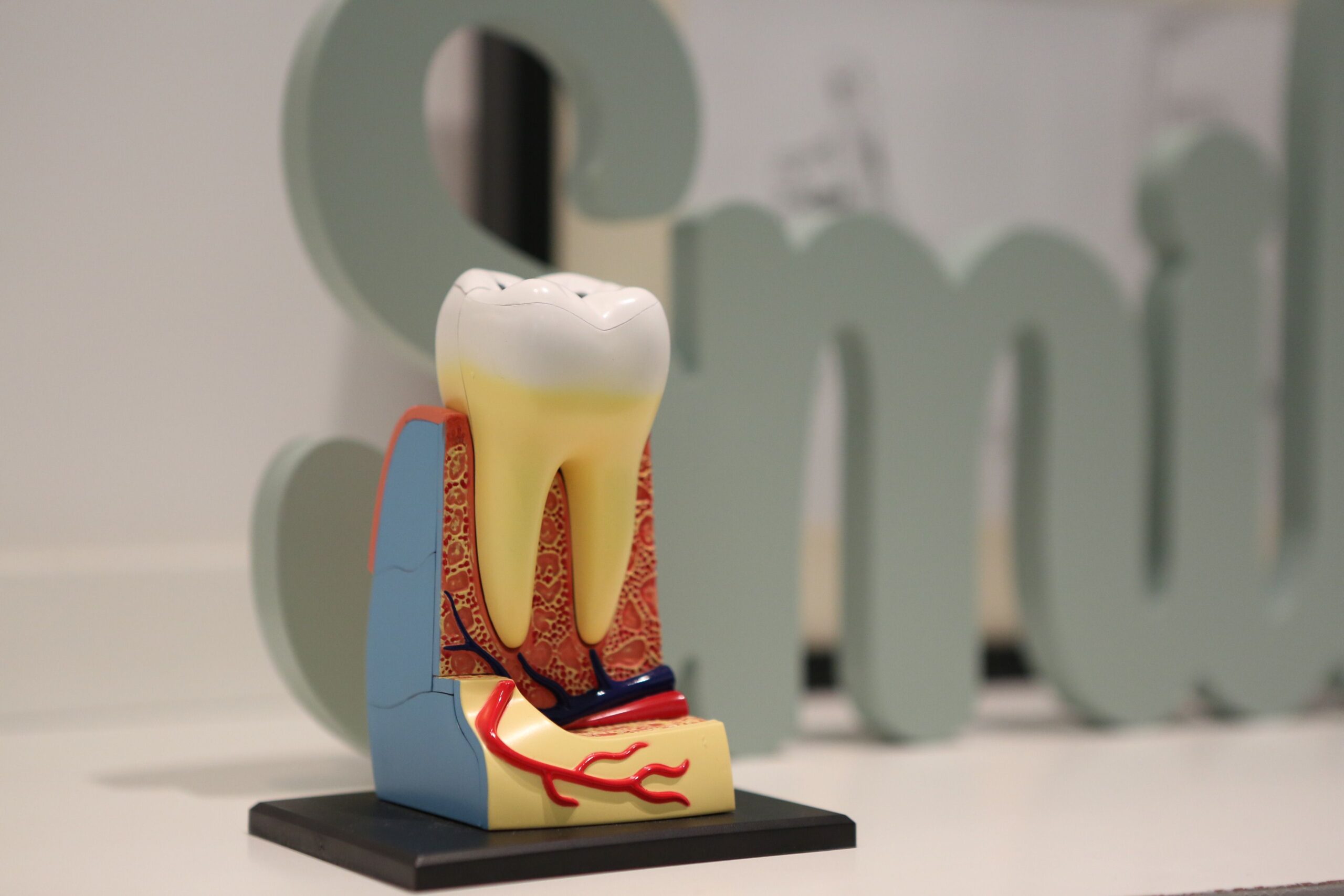
Photo by Ignacio Pereira: https://www.pexels.com/photo/a-model-of-a-tooth-12309026/