Daily Living
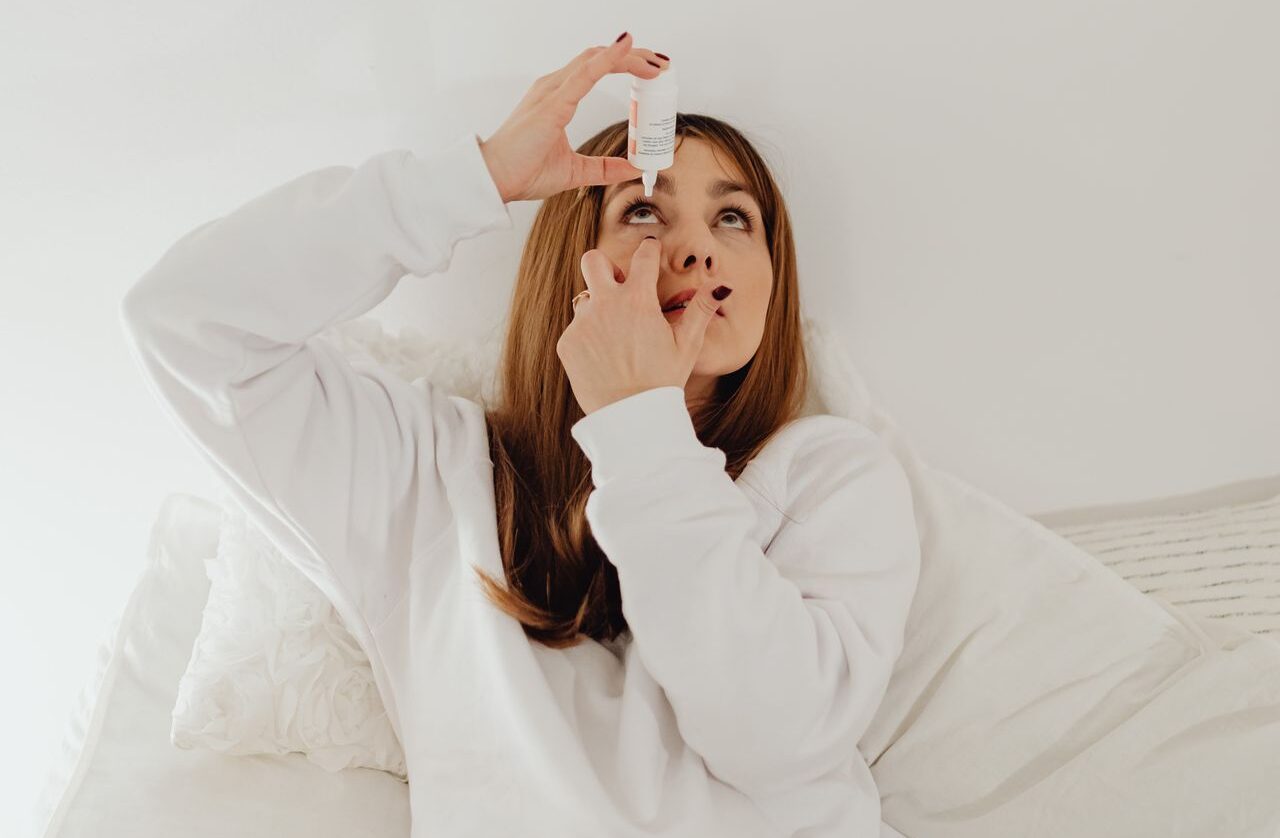
Brytly introduces apraclonidine as a nonprescription option for temporary eye redness relief. Learn about its intended use, dosing precautions, and when a red eye needs medical attention.

Brytly introduces apraclonidine as a nonprescription option for temporary eye redness relief. Learn about its intended use, dosing precautions, and when a red eye needs medical attention.
Modern life has made many things easier, but staying healthy is not always one of them. Long working hours, constant phone notifications, irregular meals, poor sleep, and everyday stress can gradually affect how we feel. Many people want to improve their health but struggle to find the time or motivation to make lasting changes.
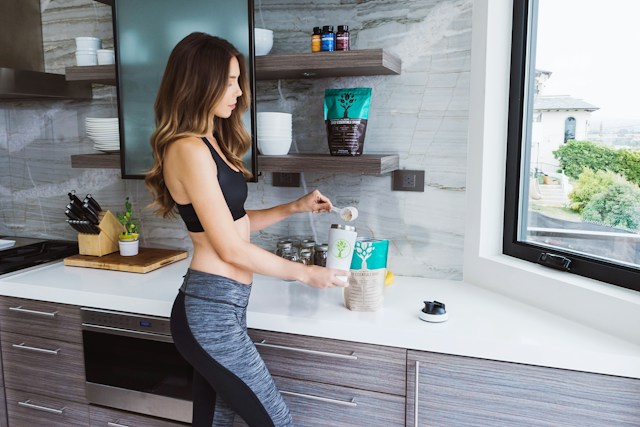
Healthy eating advice can sometimes feel like a moving target. One day, a particular food is praised for its benefits; the next, headlines raise questions about whether it belongs on our plates. For people trying to make sensible choices for themselves and their families, the constant flow of conflicting nutrition messages can be confusing.
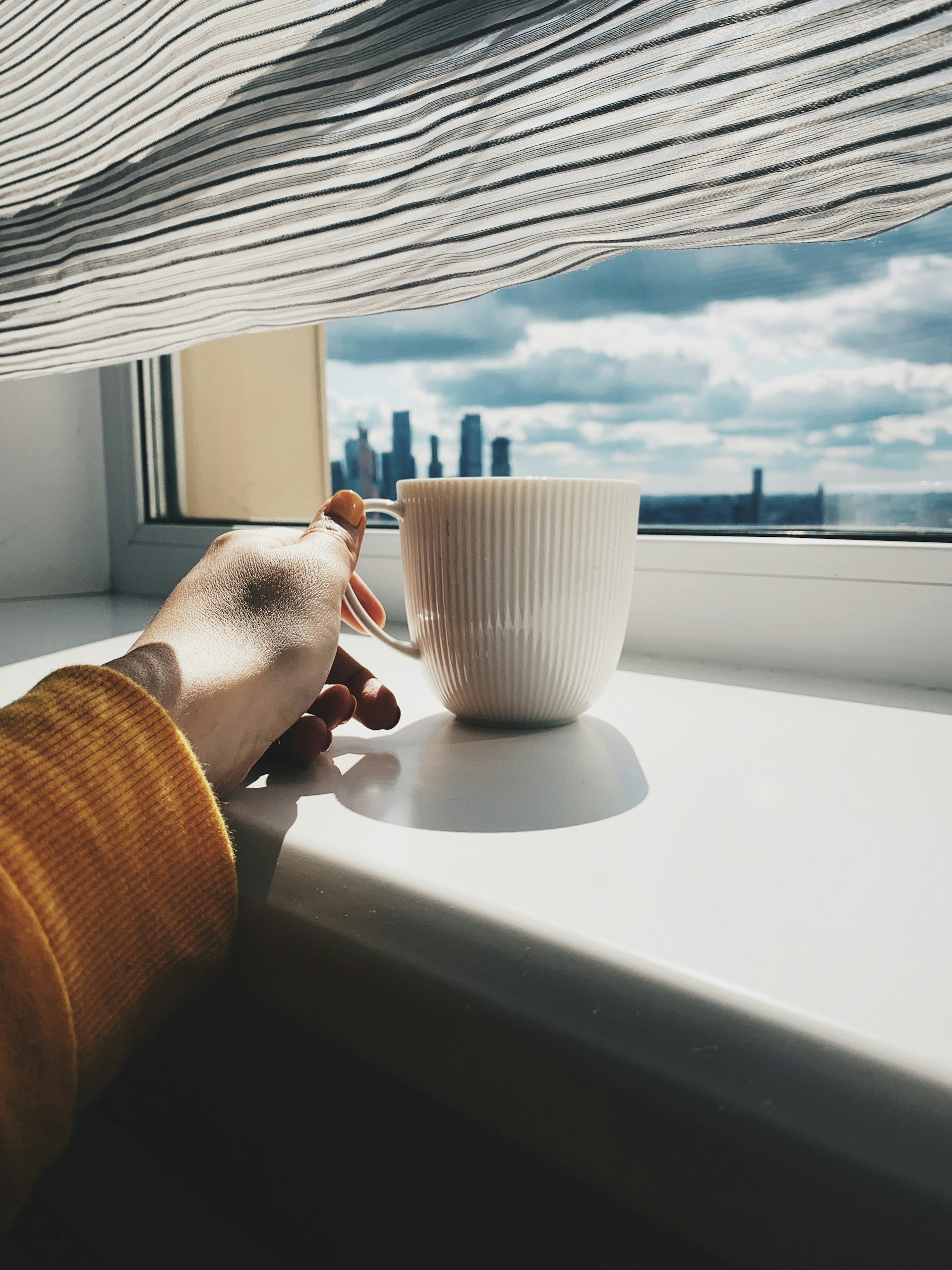
The 90-minute coffee rule claims that delaying caffeine can prevent afternoon fatigue. Discover what research says about adenosine, morning coffee, natural light, and daytime energy.
Egg masks are a popular DIY hair treatment, but can egg yolk actually stimulate hair growth? Here’s what research says about egg-yolk peptides and hair loss.
Ten minutes of meditation may be a practical way to reduce mental distractions and support stress management. Here’s what neuroscience research actually shows.
Viral health challenges often claim that eating one banana daily can transform your health. But what does clinical nutrition actually say? We break down the 45-day biochemical timeline—exploring resistant starch fermentation, sodium-potassium vascular dynamics, and the critical difference between green and ripe fruit.
Being told you are ‘bone-on-bone’ often leads patients to believe a metal total knee replacement is inevitable. But replacing all three compartments of your knee when only one is damaged is often unnecessary. We break down the clinical science of cartilage regeneration, meniscus transplantation, and robotic partial resurfacing.
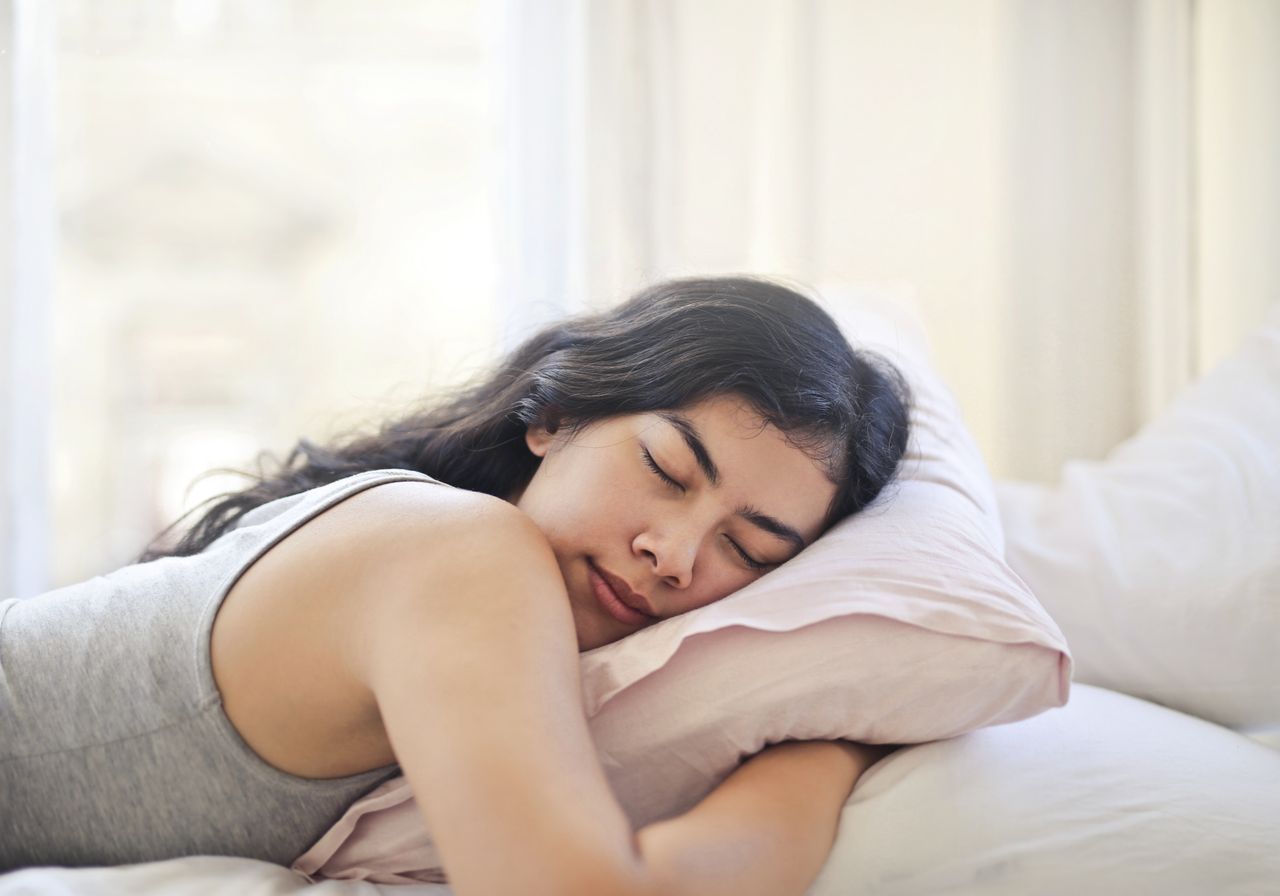
Many of us naturally roll onto our stomachs to feel cozy and secure. But what happens to your spine and nerves over eight hours of sustained neck rotation? We break down the clinical biomechanics of prone sleeping and the simple adjustments that keep your neck and lower back protected.
Anxiety treatment has a frustrating problem: the medicines that help millions of people do not work equally well for everyone.
Scientists have spent years asking a surprisingly simple question: what exactly happens to the air when you flush?
The common 3 PM energy slump is rarely a willpower issue; it is a symptom of reactive hypoglycemia caused by rapid spikes and crashes in blood sugar. Pairing carbohydrates with protein, healthy fats, and fiber slows glucose absorption into the bloodstream. Eating fibrous vegetables first, proteins second, and starches last—followed by a brief 10-minute walk—stabilizes daily energy and halts intense sugar cravings.
The gut and brain are in continuous two-way dialogue through the vagus nerve, with 80% to 90% of nerve signals traveling upward from the digestive tract. The enteric nervous system and resident microbiome manufacture the majority of the body’s serotonin and calming GABA precursors. Feeding gut flora diverse prebiotic fibers, eating fermented foods, and chewing in a calm, parasympathetic state supports both digestion and emotional resilience.
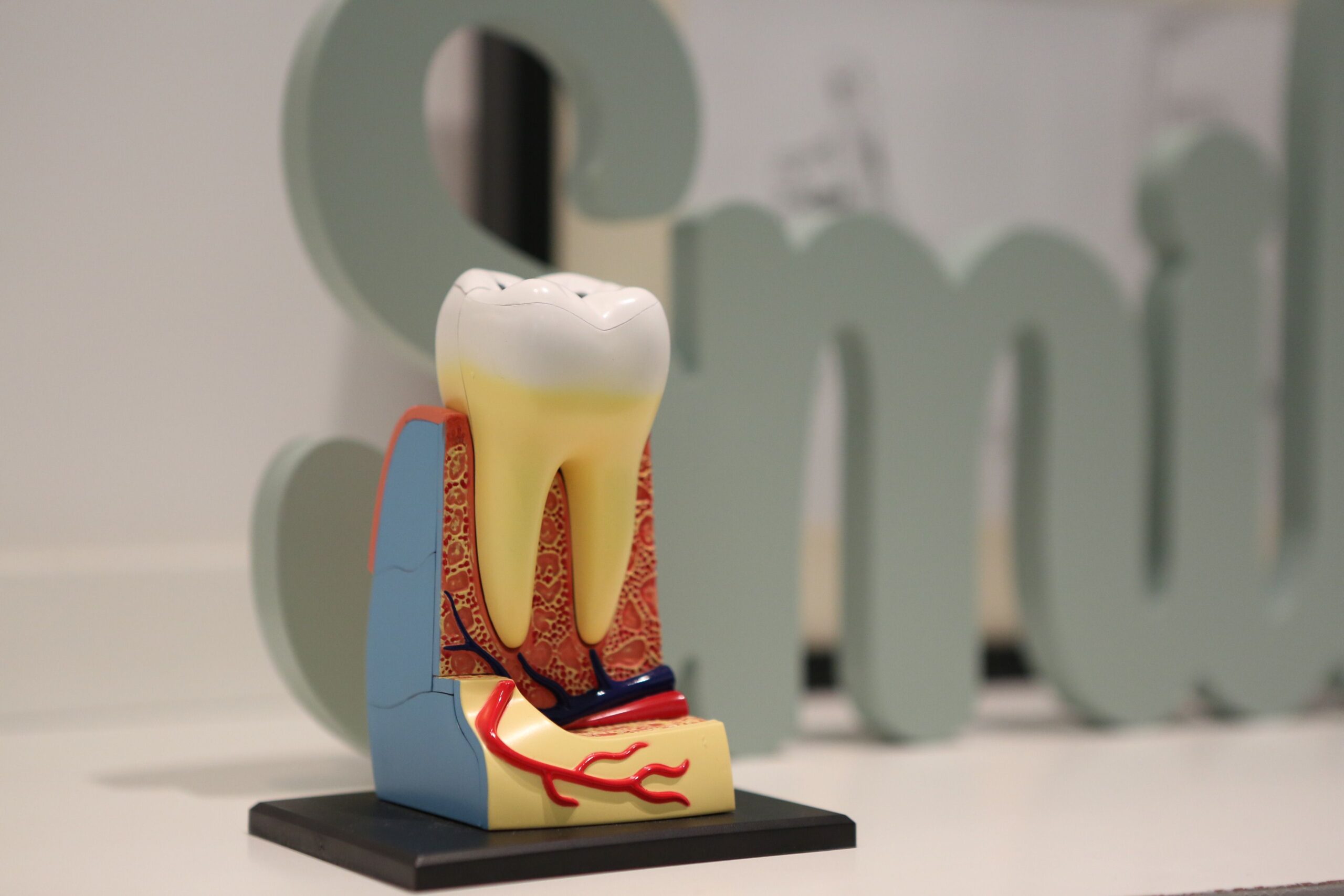
Years of fillings, gum recession, dry mouth, acidic foods and medications can all change the condition of the mouth. Some people find that teeth that once seemed almost indestructible suddenly become more sensitive or vulnerable to decay.
A grueling 45-minute gym session cannot undo 15 hours of continuous sitting. Prolonged immobility drops lipoprotein lipase (LPL) activity in leg muscles by over 90%, stalling fat clearance and insulin sensitivity. Non-Exercise Activity Thermogenesis (NEAT)—the spontaneous movement accumulated through taking stairs, pacing during calls, and walking errands—is the primary modifiable driver of your daily metabolic rate.
Drinking gallons of plain water without minerals can dilute extracellular fluids, prompting the kidneys to excrete water alongside vital electrolytes. True cellular hydration depends on the sodium-potassium pump to pull fluid across cell membranes via osmotic gradients. Starting your day with mineral-salted water, eating potassium-rich whole foods, and sipping steadily ensures fluids hydrate your cells rather than flushing straight through you.
Remote work often traps us in makeshift spaces that strain the spine. Tilting your head 45 degrees over a flat laptop places roughly 50 pounds of continuous load across your cervical vertebrae. By aligning your monitor’s top third to eye level, using external input devices, and alternating sitting with standing, you eliminate the muscular tension that causes tension headaches and postural fatigue.
Mindfulness does not require a 45-minute meditation cushion routine; it is simply the intentional regulation of present attention. Focusing on a direct physical sensation immediately deactivates the brain’s Default Mode Network—the circuit behind rumination and overthinking. By stacking 30-second sensory check-ins onto routine habits like washing hands or opening doors, you build sustained emotional calm into a busy day.
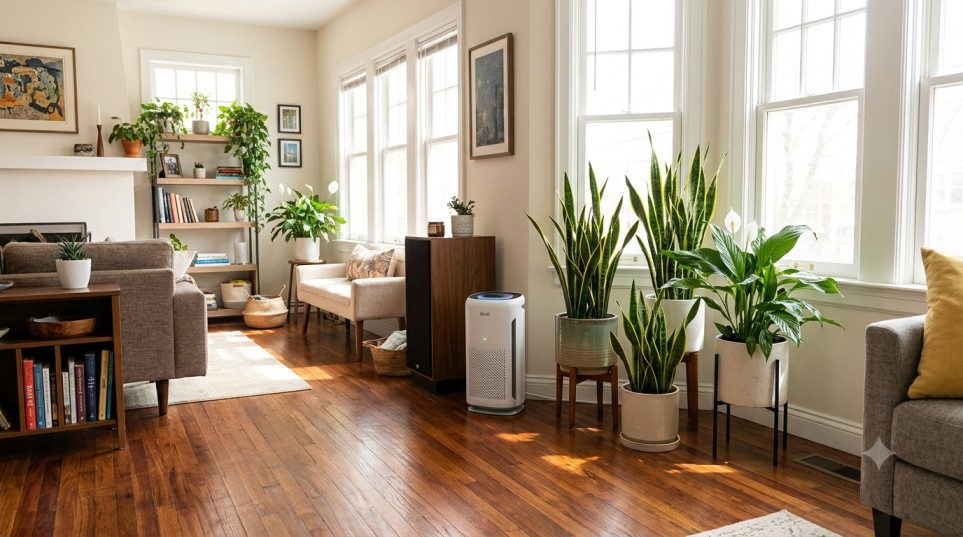
Sealed for energy efficiency, modern homes often trap indoor air that is two to five times more polluted than outdoor air. Everyday irritants—from cooking smoke and synthetic fragrances to off-gassing furniture—overburden your respiratory and immune defenses. A morning 10-minute cross-ventilation flush, a True HEPA filter with activated carbon, and ditching synthetic room sprays immediately clean your living space.