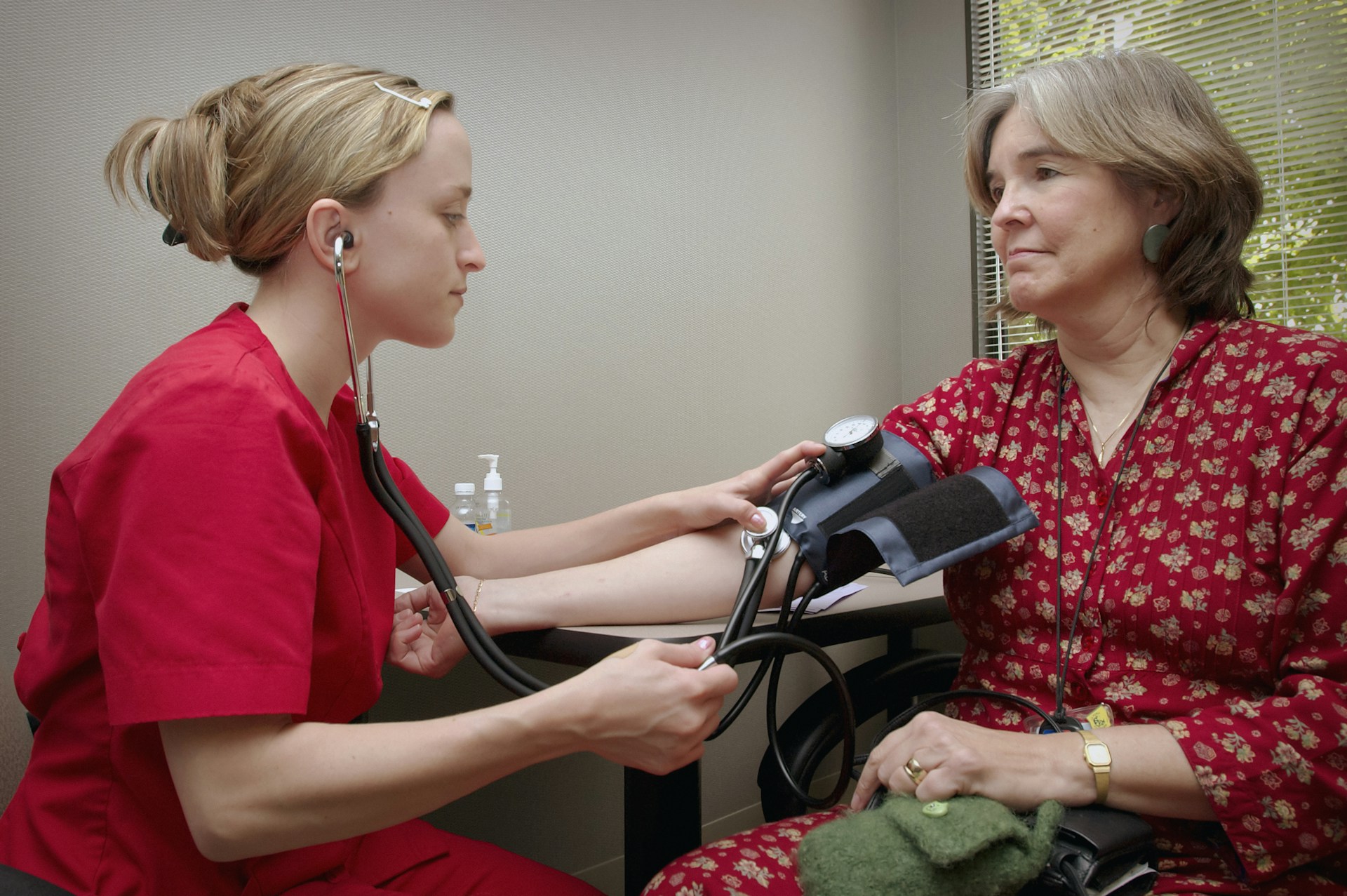

You can wake up feeling completely normal, go to work, exercise, eat dinner and go to bed without realizing that your blood pressure is consistently higher than it should be.
That is one reason high blood pressure, or hypertension, is often called the “silent killer.”
For most people, hypertension does not cause obvious warning signs or symptoms. The only reliable way to know whether your blood pressure is too high is to measure it.
The concern is not simply the number on a blood pressure monitor. When high blood pressure remains uncontrolled over time, it can increase the risk of heart disease, stroke, kidney disease and other serious health problems.
Understanding what blood pressure means, how hypertension affects the body and how to monitor it at home can help you take action before a serious complication occurs.
What Is Blood Pressure?
Blood pressure measures the force of blood pushing against the walls of your arteries as your heart circulates blood throughout the body.
A blood pressure reading contains two numbers:
- Systolic pressure: The top number, representing pressure when the heart contracts.
- Diastolic pressure: The bottom number, representing pressure when the heart relaxes between beats.
According to current CDC guidance, normal blood pressure is below 120/80 mm Hg, while hypertension is consistently at or above 130/80 mm Hg.
Your blood pressure can naturally change throughout the day. Exercise, stress, caffeine, alcohol, smoking and even the way you sit during a measurement can temporarily affect a reading. That is why a single measurement does not necessarily tell the whole story.
Why High Blood Pressure Can Be So Difficult to Detect
One of the biggest misconceptions about hypertension is that you will feel it when your blood pressure becomes dangerously high.
For most people, that is not the case.
The CDC says high blood pressure usually has no warning signs or symptoms, and many people do not know they have it.
You might occasionally hear headaches, dizziness or fatigue described as symptoms of high blood pressure. Those symptoms can occur for many different reasons and are not reliable indicators of hypertension.
That is why waiting until you “feel” something is not an effective screening strategy.
Measurement matters more than sensation.
How High Blood Pressure Can Affect Your Arteries
Your arteries are living tissues that constantly respond to changes in blood flow and pressure.
When blood pressure remains elevated over long periods, the increased mechanical stress contributes to changes in the blood vessels. High blood pressure can also interact with other cardiovascular risk factors, including unhealthy cholesterol levels, smoking, diabetes and obesity.
Over time, these processes can contribute to atherosclerosis—the buildup of plaque inside arteries.
As arteries become less healthy or narrowed, blood flow to important organs can be affected. This is one reason hypertension is a major risk factor for cardiovascular disease and stroke.
The important point is that hypertension is a risk factor, not a guarantee that a person will eventually suffer a heart attack or stroke.
Detecting and managing high blood pressure can reduce that risk.
What High Blood Pressure Can Do to the Heart
The heart has to work against the pressure within the arterial system every time it pumps blood.
Over time, persistent hypertension can contribute to structural changes in the heart, including thickening of the heart muscle.
Initially, the heart may compensate for the increased workload. But prolonged cardiovascular strain can eventually contribute to problems with the heart’s ability to relax and pump efficiently.
High blood pressure is therefore closely associated with increased risk of:
- Coronary heart disease
- Heart failure
- Heart attack
- Stroke
- Other cardiovascular complications
The CDC identifies high blood pressure as a major risk factor for heart disease and stroke.
The Brain: Why Blood Pressure Matters for Stroke Risk
The brain depends on a constant supply of oxygen-rich blood.
Long-term hypertension can damage blood vessels and substantially increase the risk of stroke. A stroke can occur when blood flow to part of the brain is blocked or when a blood vessel in the brain ruptures.
High blood pressure is one of the most important modifiable risk factors for stroke.
That does not mean everyone with hypertension will have a stroke. It means that controlling blood pressure is an important part of reducing cardiovascular and cerebrovascular risk.
The Kidneys and the Blood Pressure Connection
The relationship between hypertension and kidney health can work in both directions.
High blood pressure can damage the blood vessels and filtering structures within the kidneys. At the same time, kidney disease can make blood pressure more difficult to control.
This creates an important feedback loop:
High blood pressure → kidney damage → greater difficulty controlling blood pressure
That is one reason people with hypertension may need ongoing monitoring of both blood pressure and kidney function.
The CDC specifically identifies the kidneys among the organs that can be affected by high blood pressure.
Is High Blood Pressure Inevitable as You Age?
No.
Your risk of developing hypertension can increase with age, but high blood pressure is not an inevitable consequence of getting older.
Many factors influence blood pressure, including:
- Diet
- Sodium intake
- Physical activity
- Body weight
- Alcohol consumption
- Smoking
- Sleep
- Genetics and family history
- Certain medications and medical conditions
Some of these factors can be modified.
Lifestyle changes can help many people maintain healthier blood pressure, while others may require prescription medication. The appropriate treatment depends on the individual’s blood pressure readings, overall cardiovascular risk and medical history.
How to Check Your Blood Pressure at Home
Home blood pressure monitoring can provide a much clearer picture than relying on occasional readings at a doctor’s office.
The American Heart Association recommends an automatic, upper-arm cuff-style monitor and advises using a validated device with the correct cuff size.
For a more accurate reading:
- Avoid caffeine, smoking and exercise for at least 30 minutes beforehand.
- Empty your bladder.
- Sit quietly for at least five minutes.
- Keep your back supported.
- Put both feet flat on the floor.
- Keep your legs uncrossed.
- Rest your arm on a surface at heart level.
- Place the cuff directly against bare skin.
- Do not talk during the measurement.
- Take two readings about one minute apart and record them.
The CDC and American Heart Association both emphasize that repeated measurements provide more useful information than a single reading.
A Blood Pressure Reading Is a Snapshot
One high reading does not automatically mean you have chronic hypertension.
Blood pressure changes throughout the day, and temporary factors can raise it. The AHA recommends repeating an unexpectedly high reading and discussing persistent abnormal readings with a healthcare professional.
That is why keeping a blood pressure log can be useful.
| Blood Pressure Category | Systolic | Diastolic |
|---|---|---|
| Normal | Less than 120 | Less than 80 |
| Elevated | 120–129 | Less than 80 |
| Stage 1 hypertension | 130–139 | 80–89 |
| Stage 2 hypertension | 140 or higher | 90 or higher |
| Severe hypertension | Higher than 180 | and/or higher than 120 |
These categories are based on current American Heart Association guidance.
What Can Help Lower Blood Pressure?
There is no single lifestyle change that works for everyone, but several well-established approaches can help support healthier blood pressure.
Reduce Excess Sodium
High sodium intake can contribute to elevated blood pressure in many people.
Reducing heavily processed and packaged foods can be an effective way to lower sodium intake.
Eat More Potassium-Rich Foods—When Appropriate
Foods such as fruits, vegetables, legumes and other potassium-rich foods can help support healthy blood pressure.
However, more potassium is not appropriate for everyone. People with kidney disease or certain medical conditions, as well as those taking medications that affect potassium levels, should speak with a healthcare professional before deliberately increasing potassium or using potassium-based salt substitutes.
Stay Physically Active
Regular physical activity is an important part of cardiovascular health and can help manage blood pressure.
You do not need to begin with an extreme workout program. Walking, cycling, swimming and other forms of moderate activity can be incorporated into a sustainable routine.
Avoid Smoking
Smoking damages blood vessels and increases cardiovascular risk.
If you smoke, quitting is one of the most important steps you can take for your overall heart health.
Follow Your Treatment Plan
Some people can improve their blood pressure substantially through lifestyle changes. Others need medication.
Common classes of blood-pressure medicines include ACE inhibitors, angiotensin receptor blockers, calcium channel blockers and diuretics. Your healthcare professional can determine which treatment is appropriate for you.
Do not stop or change prescribed blood-pressure medication based solely on home readings without discussing it with your healthcare professional. The AHA specifically advises people not to stop blood-pressure medication without consulting their healthcare team.
When Is High Blood Pressure an Emergency?
Extremely high blood pressure can require urgent medical attention.
The American Heart Association considers a reading higher than 180/120 mm Hg to be severe hypertension. If a repeat measurement remains that high, contact a healthcare professional promptly.
If blood pressure is above 180/120 mm Hg and symptoms such as chest pain, shortness of breath, back pain, weakness, numbness, vision changes or difficulty speaking are present, the situation may represent a hypertensive emergency.
Call 911 immediately.
Do not wait for the blood pressure to come down on its own.
The Bottom Line
High blood pressure can be dangerous precisely because you may not feel it.
There may be no headache, no obvious fatigue and no warning sensation telling you that your cardiovascular system is under increased strain. The only reliable way to know your blood pressure is to measure it.
The good news is that hypertension is manageable.
Regular monitoring, a heart-healthy lifestyle and appropriate medical treatment can help control blood pressure and reduce the risk of serious complications involving the heart, brain and kidneys.
Instead of waiting for symptoms, know your numbers.
Quick Takeaways
- High blood pressure usually has no obvious symptoms.
- A blood pressure measurement is the only reliable way to identify hypertension.
- One unusually high reading does not necessarily establish a diagnosis.
- Repeated measurements provide a better picture of your blood pressure.
- Long-term uncontrolled hypertension can increase the risk of heart disease, stroke and kidney disease.
- Home monitoring can help patients and healthcare professionals track blood pressure.
- Lifestyle changes and medication can both play important roles in treatment.
- A reading above 180/120 mm Hg with concerning symptoms requires emergency medical attention.
🩺 Medical Disclaimer
The information provided by HealAndNourish.com is intended for educational and informational purposes only and should not be considered professional medical advice, diagnosis or treatment. Blood pressure targets and treatment decisions can vary according to age, medical history, medications and other health conditions. Always speak with your physician or qualified healthcare professional about your individual blood pressure readings and treatment plan.
References & Clinical Resources
- Centers for Disease Control and Prevention (CDC): Information on high blood pressure, symptoms, diagnosis, risk and management.
- American Heart Association (AHA): Home blood pressure monitoring, blood-pressure categories and guidance for very high readings.
- American Heart Association: Information on hypertension symptoms and why high blood pressure is known as the “silent killer.”
- American Heart Association: Lifestyle approaches to managing high blood pressure.
- American Heart Association: Potassium and blood-pressure management.