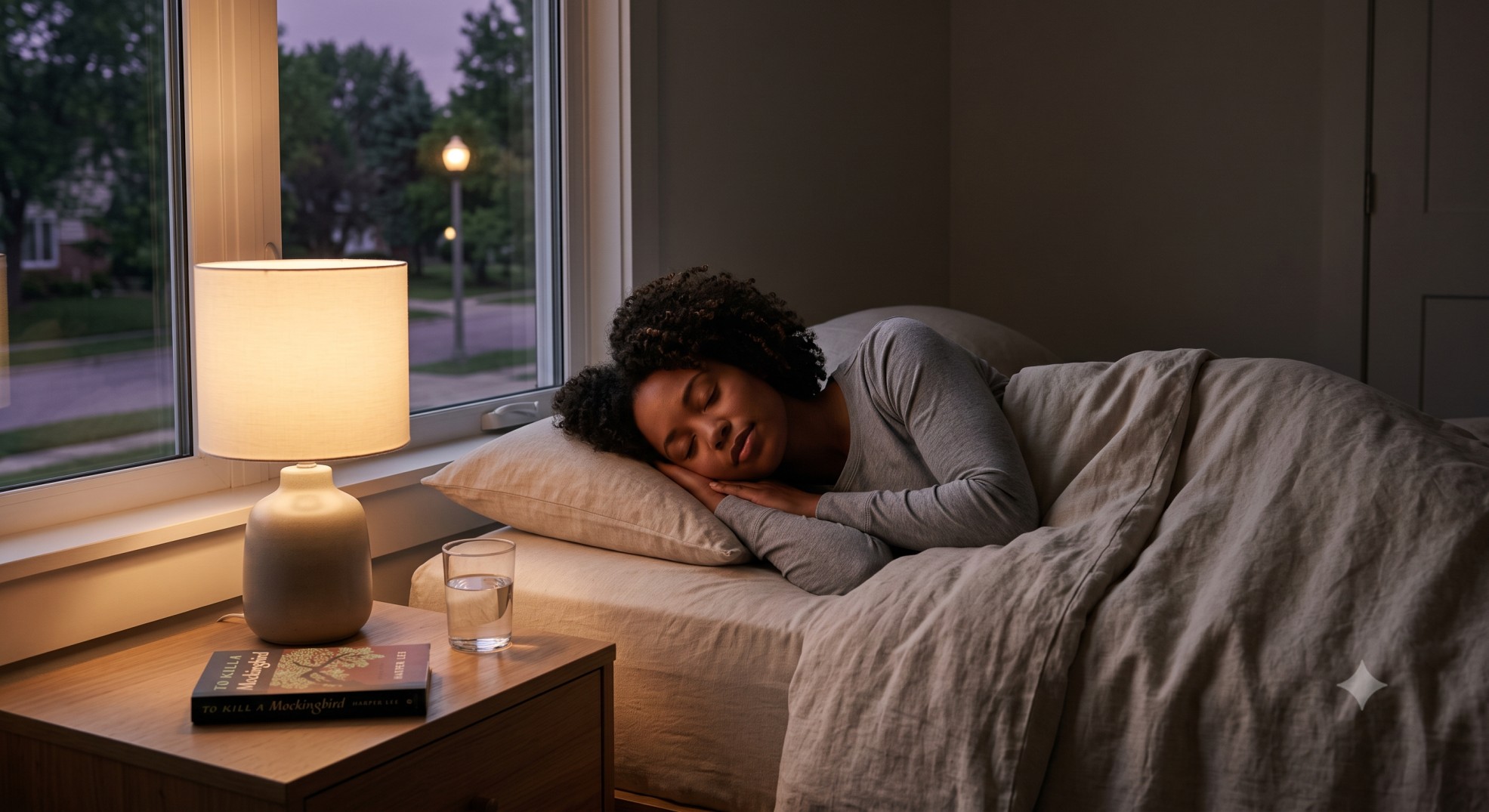

Melatonin is often marketed as a simple answer to sleepless nights. Gummies, tablets and liquid supplements are widely available, and many people turn to them when they have trouble falling asleep.
But if you keep waking during the night or lying awake for hours, taking more melatonin may not solve the underlying problem.
That is because melatonin is not a conventional sleeping pill. It is a hormone involved in regulating the body’s circadian rhythm—the internal clock that helps coordinate sleep and wakefulness.
Research suggests melatonin may be useful for certain circadian-related sleep problems, such as jet lag, while evidence for chronic insomnia is much less convincing. The National Center for Complementary and Integrative Health (NCCIH) notes that clinical guidelines have not found enough evidence to recommend melatonin as a treatment for chronic insomnia.
For persistent insomnia, the better-supported approach is to address the behavioral and psychological processes that keep sleep problems going.
What Is Chronic Insomnia?
Insomnia isn’t simply having an occasional bad night.
Chronic insomnia involves persistent difficulty falling asleep, staying asleep or getting restorative sleep despite having adequate opportunity to sleep. It can also cause daytime problems such as fatigue, difficulty concentrating or mood changes.
Chronic insomnia can develop alongside stress, anxiety, pain, medications, irregular schedules, sleep apnea, restless legs syndrome and other health conditions.
That is why repeatedly adding supplements without addressing the underlying cause may not be the most effective strategy.
Melatonin Helps Set the Body’s Clock
Your brain naturally produces melatonin when it becomes dark.
The hormone is produced by the pineal gland under the influence of the body’s circadian timing system. Melatonin levels normally rise in the evening and help signal that it is biological nighttime.
That doesn’t mean melatonin acts like a sedative that simply switches the brain off.
A useful way to think about it is:
Melatonin helps tell your body when it is night; it does not guarantee that you will sleep.
This distinction is particularly important for people who take increasingly large doses after the first dose doesn’t work.
Does More Melatonin Mean Better Sleep?
Not necessarily.
NCCIH reports that melatonin may improve sleep-onset latency—the amount of time it takes to fall asleep—in some people with insomnia, but evidence has not consistently shown improvements in other aspects of insomnia, including time awake during the night or overall sleep quality.
Higher doses also aren’t automatically better.
The long-term safety of melatonin supplementation has not been established, and reported short-term side effects can include headache, dizziness, nausea and sleepiness. Melatonin can also interact with some medications.
For people taking prescription medicines, particularly blood thinners, or those with certain medical conditions, discussing melatonin with a healthcare professional is advisable.
Why Does Insomnia Keep Going?
Sleep is controlled by several overlapping biological and behavioral systems.
One important concept is sleep pressure.
The longer you remain awake, the stronger your biological drive to sleep generally becomes. Adenosine is one of the molecules involved in this process. Caffeine works partly by blocking adenosine receptors, which can make you feel less sleepy even when sleep pressure has accumulated.
This is one reason late-day caffeine can be a problem for people who already struggle with insomnia.
But chronic insomnia isn’t simply an “adenosine deficiency.”
Researchers also study circadian timing, stress responses, learned associations with the bedroom, worrying about sleep and increased physiological arousal. These factors can reinforce one another.
The Bed Can Become Associated With Being Awake
This is one of the central ideas behind Cognitive Behavioral Therapy for Insomnia (CBT-I).
Someone who repeatedly spends hours awake in bed may gradually begin associating the bedroom with frustration, clock-watching and worrying about sleep rather than with sleep itself.
That creates a cycle:
Poor sleep → worry about sleep → more time awake in bed → greater frustration → even more difficulty sleeping.
Breaking that cycle is one reason behavioral treatment can be more useful than simply adding another supplement.
CBT-I: One of the Best-Supported Treatments for Chronic Insomnia
The American College of Physicians recommends CBT-I as the initial treatment for adults with chronic insomnia.
The American Academy of Sleep Medicine also gives CBT-I a strong recommendation and describes it as the most supported behavioral treatment for chronic insomnia.
CBT-I combines several strategies, depending on the individual’s needs.
1. Stimulus Control
The goal is to rebuild the association between the bed and sleep.
Common principles include:
- Go to bed when you feel sleepy rather than simply because the clock says it is bedtime.
- Use the bed primarily for sleep and intimacy.
- If you remain awake for roughly 20 minutes, get out of bed and do something quiet until you become sleepy again.
- Return to bed when you are ready to sleep.
- Maintain a consistent wake time.
Importantly, the AASM cautions against obsessively watching the clock. The “20 minutes” guideline is based on perceived prolonged wakefulness rather than requiring someone to stare at a clock and measure every minute.
2. Sleep Restriction or Sleep Consolidation
Despite its name, sleep restriction therapy isn’t about permanently getting less sleep.
It temporarily limits the amount of time spent in bed so that time in bed more closely matches actual sleep time. As sleep becomes more consolidated, the sleep window can gradually be expanded.
This is one reason it is better done with guidance from a qualified clinician rather than by arbitrarily deciding to sleep only a few hours each night.
3. Cognitive Restructuring
Insomnia can create frightening thoughts about the consequences of not sleeping:
“If I don’t sleep tonight, I’ll be unable to function tomorrow.”
CBT-I helps people identify and challenge these sleep-related beliefs.
The objective isn’t to convince someone that sleep doesn’t matter. Instead, it is to reduce the anxiety and catastrophic thinking that can make falling asleep even harder.
4. Relaxation Techniques
Relaxation strategies can also be incorporated into insomnia treatment, particularly when physical tension or racing thoughts are contributing to nighttime wakefulness.
Evidence for relaxation techniques alone is more limited than for full CBT-I, but they can be useful as part of an individualized treatment approach.
What About Magnesium, L-Theanine and Other Sleep Supplements?
The supplement market is full of products promising calmer nights.
Magnesium, L-theanine, glycine, chamomile-derived compounds and other ingredients are frequently promoted as natural alternatives to sleeping medication.
The problem is that “natural” does not automatically mean effective or risk-free.
NCCIH notes that evidence for many complementary approaches to sleep is inconsistent or too limited to draw firm conclusions.
Magnesium
Magnesium is an essential mineral involved in hundreds of biological processes, but that doesn’t mean taking a large supplemental dose will reliably treat chronic insomnia.
People with inadequate magnesium intake may have different needs from people who already obtain enough through their diet.
If you are considering magnesium supplements, particularly at higher doses or if you have kidney disease or take medications, discuss the choice with a healthcare professional.
L-Theanine, Glycine and Apigenin
These compounds have attracted interest because of their potential effects on relaxation and sleep-related pathways.
However, the evidence is not strong enough to present them as established treatments for chronic insomnia.
That distinction matters for anyone searching for an “evidence-based sleep supplement.”
There is currently much stronger clinical support for CBT-I than for most sleep supplements.
Your Circadian Rhythm Starts During the Day
Good sleep isn’t created entirely at bedtime.
Your internal clock responds to environmental cues, especially light and the timing of daily activities.
Get Bright Light in the Morning
Morning light is one of the most powerful environmental signals affecting circadian timing.
Spending time outdoors during daylight can provide a much stronger light exposure than typical indoor lighting.
You don’t necessarily need to measure the light with a 10,000-lux device. The important principle is to establish a consistent daytime light-dark pattern.
For people with significant circadian rhythm problems, specially designed light therapy may be recommended by a healthcare professional.
Be Careful With Evening Light
Bright light late in the evening can shift circadian timing and make it harder for some people to become sleepy.
Reducing intense light exposure before bed and keeping the bedroom dark can therefore support a more sleep-friendly environment.
A Warm Bath May Help You Wind Down
A warm bath or shower before bed is another relatively simple strategy.
Research suggests that passive body heating followed by cooling after the bath or shower may help promote sleep in some people.
You don’t need an exact temperature or a complicated protocol.
The practical goal is simply to create a relaxing transition between daytime activity and bedtime.
Keep the Bedroom Comfortable and Cool
A bedroom that is too hot can make falling asleep and staying asleep more difficult.
Rather than treating a particular temperature as medically mandatory, choose a room temperature that feels comfortably cool for you and allows you to sleep without overheating.
Other useful environmental factors include:
- A dark bedroom
- Low nighttime noise
- Comfortable bedding
- A supportive mattress and pillow
- Limited phone use in bed
- A consistent sleep and wake schedule
These habits are helpful, but it’s important to remember that sleep hygiene alone is not considered an adequate treatment for chronic insomnia. CBT-I addresses the deeper behavioral and cognitive processes involved.
When Insomnia Needs Medical Attention
Persistent insomnia shouldn’t always be treated as a lifestyle problem.
Talk with a healthcare professional if sleep problems are:
- Persistent or worsening
- Affecting your daytime functioning
- Accompanied by loud snoring or gasping during sleep
- Associated with uncomfortable sensations in the legs
- Occurring alongside significant depression or anxiety
- Developing after starting a new medication
- Accompanied by severe daytime sleepiness
Other conditions—including sleep apnea, restless legs syndrome, pain, depression and medication effects—can contribute to insomnia and may require different treatment.
The Bottom Line: Don’t Chase Sleep With Higher Doses
Melatonin can be useful in some sleep and circadian situations, but it isn’t a universal treatment for chronic insomnia.
If you are repeatedly increasing the dose because you still cannot sleep, it may be time to change strategies rather than simply taking more.
CBT-I has substantially stronger clinical support for chronic insomnia than most supplements, and it addresses the cycle of conditioned wakefulness, poor sleep habits and anxiety surrounding sleep.
Better sleep is often less about finding the perfect pill and more about helping the brain relearn when, where and how to sleep.
Medical disclaimer: This article is for educational purposes only and does not replace medical advice, diagnosis or treatment. If you have persistent insomnia, take medications, are pregnant or breastfeeding, or have another medical condition, speak with a qualified healthcare professional before starting or changing a supplement or sleep treatment.
🩺 Editorial Note & Medical Disclaimer
The information provided on healandnourish.com is intended for educational and informational purposes only and should not be construed as professional medical, psychiatric, or somnological advice. Chronic insomnia may be secondary to underlying medical conditions such as obstructive sleep apnea, restless legs syndrome, or clinical depression. Always consult a board-certified sleep physician or healthcare provider before modifying any prescribed sleep medications or supplement protocols.
References & Clinical Resources
- American Academy of Sleep Medicine (AASM): Access clinical practice guidelines detailing non-pharmacological management of chronic insomnia and CBT-I implementation at the AASM Clinical Resources Hub.
- Annals of Internal Medicine: Review the American College of Physicians’ systematic review and guidelines for the management of chronic insomnia disorder via the ACP Clinical Guidelines Portal.
- Sleep Medicine Reviews: Explore peer-reviewed literature examining the Two-Process Model of sleep regulation, adenosine kinetics, and circadian biology in the Elsevier ScienceDirect Archive.
- Harvard Health Publishing: Read clinical monographs on the mechanisms of chronic autonomic hyperarousal, melatonin dosing fallacies, and sleep hygiene from the Harvard Medical School Health Portal.