
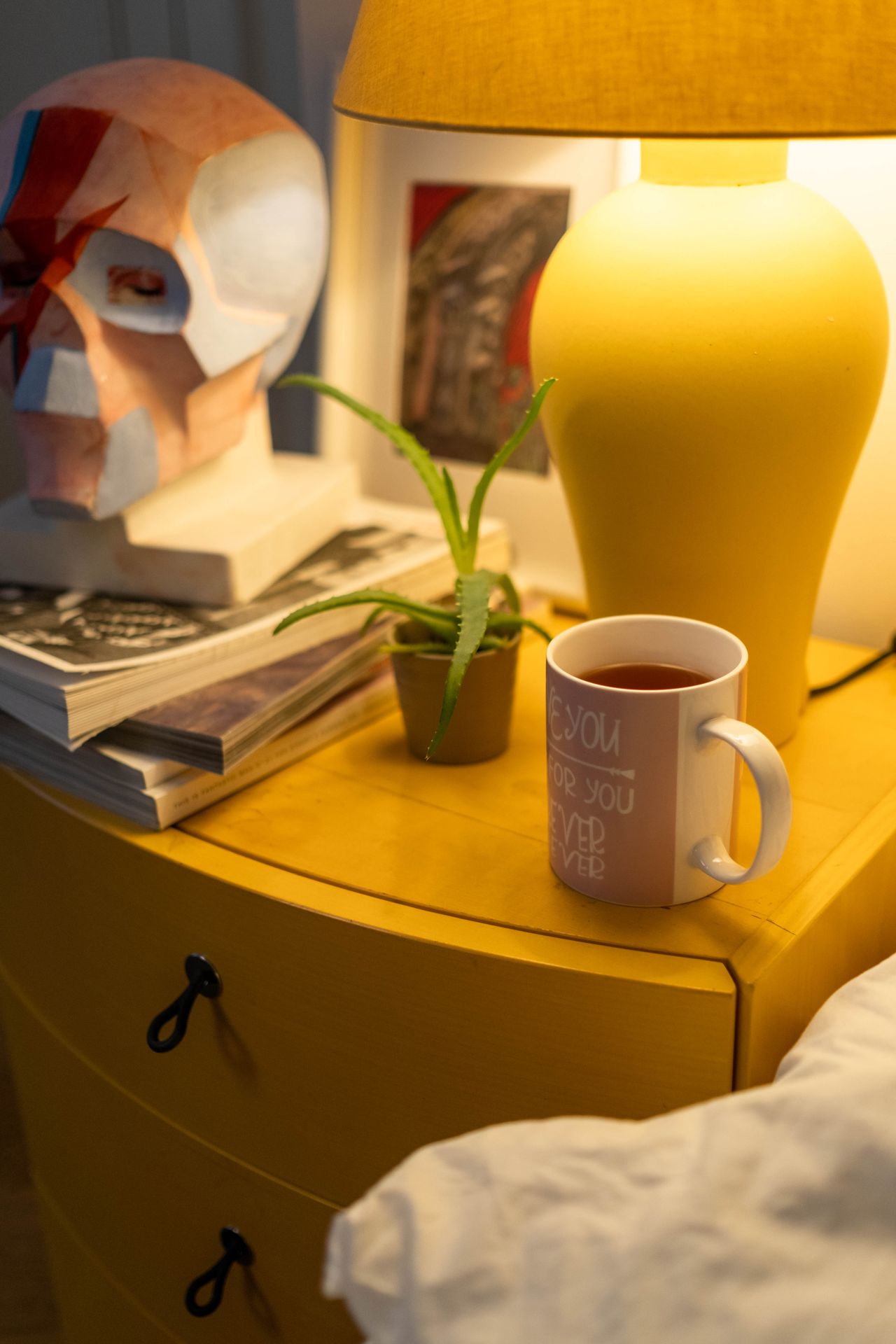

For thousands of generations, human evenings followed a predictable, natural transition.
As twilight faded, the surrounding world shifted from bright blues and whites to warm ambers and deep darkness. Ambient noise dropped, temperatures fell, and human biology responded in kind: the sympathetic “fight-or-flight” nervous system stepped down, letting the parasympathetic “rest-and-digest” branch take over.
Modern life has broken this natural wind-down.
At 10:00 PM, millions of people sit under bright 4000K LED lights, answering urgent work emails, scrolling through algorithmically charged news feeds, or watching suspenseful television. We demand rapid cognitive processing right up until the second we flip off the light switch—and then wonder why our hearts beat fast, our thoughts race, and we stare at the ceiling for an hour.
Insomnia, fragmented sleep, and morning grogginess are rarely problems that start in the middle of the night. They are predictable responses to high neural stimulation and artificial light exposure during the two hours before bed.
Restoring quality sleep does not require complex medications; it requires creating a genuine evening decompression routine and treating your bedroom as an intentional sleep sanctuary.
The Photobiology of Artificial Light at Night (ALAN)
The primary reason evening screen time ruins sleep lies in how our eyes process blue light.
As explored in morning circadian biology, intrinsically photosensitive retinal ganglion cells (ipRGCs) are exceptionally sensitive to blue-wavelength light (460–480 nm). In nature, blue light is found in abundance during midday sunshine. It signals alertness, mental drive, and wakefulness.
When you look at a smartphone screen, laptop, or flat-screen TV late in the evening, those same blue photons strike your retina. The signal sent down the retinohypothalamic tract to the suprachiasmatic nucleus is unambiguous: it is the middle of the day.
Natural Solar Cycle:
Dawn (Low/Warm) -> Midday (High Blue Lux) -> Dusk (Low Amber) -> Night (Total Dark)

Modern Digital Routine:
Waking (Dim Indoors) -> Day (Indoor Fluo) -> Dusk (No Change) -> Bedtime (High Blue LEDs)
The immediate physiological consequence is the suppression of melatonin, your body’s primary biochemical sleep signal.
Even moderate screen exposure (around 30–50 lux) can delay nighttime melatonin release by 90 to 180 minutes. Even if you manage to fall asleep through sheer exhaustion, your sleep architecture remains compromised:
- Suppression of Slow-Wave Sleep (SWS): Deep delta-wave sleep is truncated, impairing cellular repair, growth hormone release, and immune function.
- Fragmented REM Cycles: Memory consolidation and emotional processing become shallow and unstable.
- Elevated Core Body Temperature: Suppressed melatonin keeps your core temperature high, preventing the natural 1–2°F drop required for uninterrupted sleep.
Cognitive Hyperarousal: The Hidden Toll of Evening Content
Blue light is only half the problem. The nature of the content we consume matters just as much.
Scrolling social media, reading breaking news, or answering professional emails triggers cognitive hyperarousal. Each notification, provocative headline, or unexpected message causes a micro-burst of dopamine and adrenaline.
Your brain enters a vigilant scanning state, directly activating the sympathetic branch of your autonomic nervous system.
You cannot expect your nervous system to slam on the brakes after running at full throttle. Going from answering an urgent work email straight to deep, restful sleep violates human physiology.
You need a clear buffer: a dedicated transitional period between the demands of your day and the vulnerability of sleep.
Constructing the Bedroom Sanctuary: The Three Non-Negotiables
Your bedroom environment should send an immediate, unmistakable signal of safety and rest to your nervous system. Audit your space using these core rules:
1. Light: Absolute Darkness
Your skin and retinas can detect surprisingly low levels of light even through closed eyelids. Ambient glow from streetlamps, digital clocks, power strips, and smoke detector LEDs disrupts sleep depth.
- Blackout Curtains: Install high-grade blackout shades or curtains to block external light entirely.
- Tape over LEDs: Use black electrical tape or small stickers to cover glowing electronics.
- Use an Eye Mask: If you cannot make the room completely dark, wear a contoured 3D sleep mask that allows rapid eye movement without putting pressure on your eyelids.
2. Temperature: Cool Down the Core
To initiate sleep, your body must drop its core temperature by 1 to 2 degrees Fahrenheit. A warm room traps heat around your body, causing frequent micro-arousals throughout the night.
- Keep your bedroom thermostat set between 65°F and 68°F (18°C to 20°C).
- Sleep under breathable, natural fabrics like cotton, bamboo, or linen rather than synthetic polyester, which traps heat and humidity.
- The warm shower protocol: Taking a warm shower or bath 90 minutes before bed expands peripheral blood vessels in your hands and feet. When you step out, that heat radiates away quickly, dropping your core body temperature and triggering natural sleepiness.
3. Audio: Silence or Consistent Sound
Sudden, erratic noises—a barking dog, a car horn, or the cycling of an air conditioning unit—trigger cortisol-driven alertness, pulling you out of deep sleep.
- If you live in an unpredictable sound environment, run an analog white noise fan or a dedicated sound machine that outputs pink noise (which contains deeper low-frequency energy that closely mirrors human brainwaves in deep sleep).
The 60-Minute Screen-Free Wind-Down Protocol
Reclaim your evenings by establishing a consistent, screen-free routine during the final hour before bed.
Bedtime Minus 60 Minutes:
[ Shut down screens ]
         |
         v
[ Lower ambient lights to amber/low level ]
         |
         v
[ Low-stimulation activity: Read, Journal, Stretch ]
         |
         v
[ Down-regulating Breathwork ]
         |
         v
Bedtime: [ Step into cool, pitch-black sleep sanctuary ]
Minute 60 to 45: The Digital Sunset
Turn off your computer, television, and tablet. Connect your phone to its charger in another room, such as the kitchen or hallway.
If you use your phone as an alarm clock, buy a simple, inexpensive analog alarm clock for your nightstand. This removes the temptation to check notifications if you wake up during the night.
Minute 45 to 20: Low-Stimulation Engagement
Dim your overhead lights and switch to low-wattage warm lamps, salt lamps, or amber reading lights. Spend this window on relaxing, low-arousal activities:
- Read physical books or non-backlit e-ink readers (stick to fiction, philosophy, or biography rather than high-stress professional development).
- Write down tomorrow’s to-do list on paper to empty working memory and quiet anxious planning thoughts.
- Do light, gentle mobility stretches to release postural tension in your hips and shoulders.
Minute 20 to 0: Nervous System Down-Regulation
Climb into bed in your cool, pitch-black room. Dedicate the final few minutes to settling your autonomic nervous system.
Evening Sanctuary Checklist
- [ ] Turn off all screens 60 minutes before your target sleep time.
- [ ] Charge your smartphone in another room overnight.
- [ ] Set the bedroom thermostat to 65°F–68°F (18°C–20°C).
- [ ] Block light sources with blackout curtains or use a contoured sleep mask.
- [ ] Switch overhead room lights to low, warm amber lamps during the evening.
- [ ] Use a paperback book and a pad of paper for evening thoughts instead of devices.
By protecting your evening hours from high-intensity light and hyper-stimulating content, you give your brain the space it needs to prepare for sleep. Restful nights and high-energy mornings are not accidental—they are the natural result of respecting your body’s circadian biology.


One thought on “The Modern Evening Crisis: Why Your Brain Refuses to Sleep”