Skip to content
The Healthy Brief
  • Daily Living
  • Mind & Mood
  • Body & Nutrition
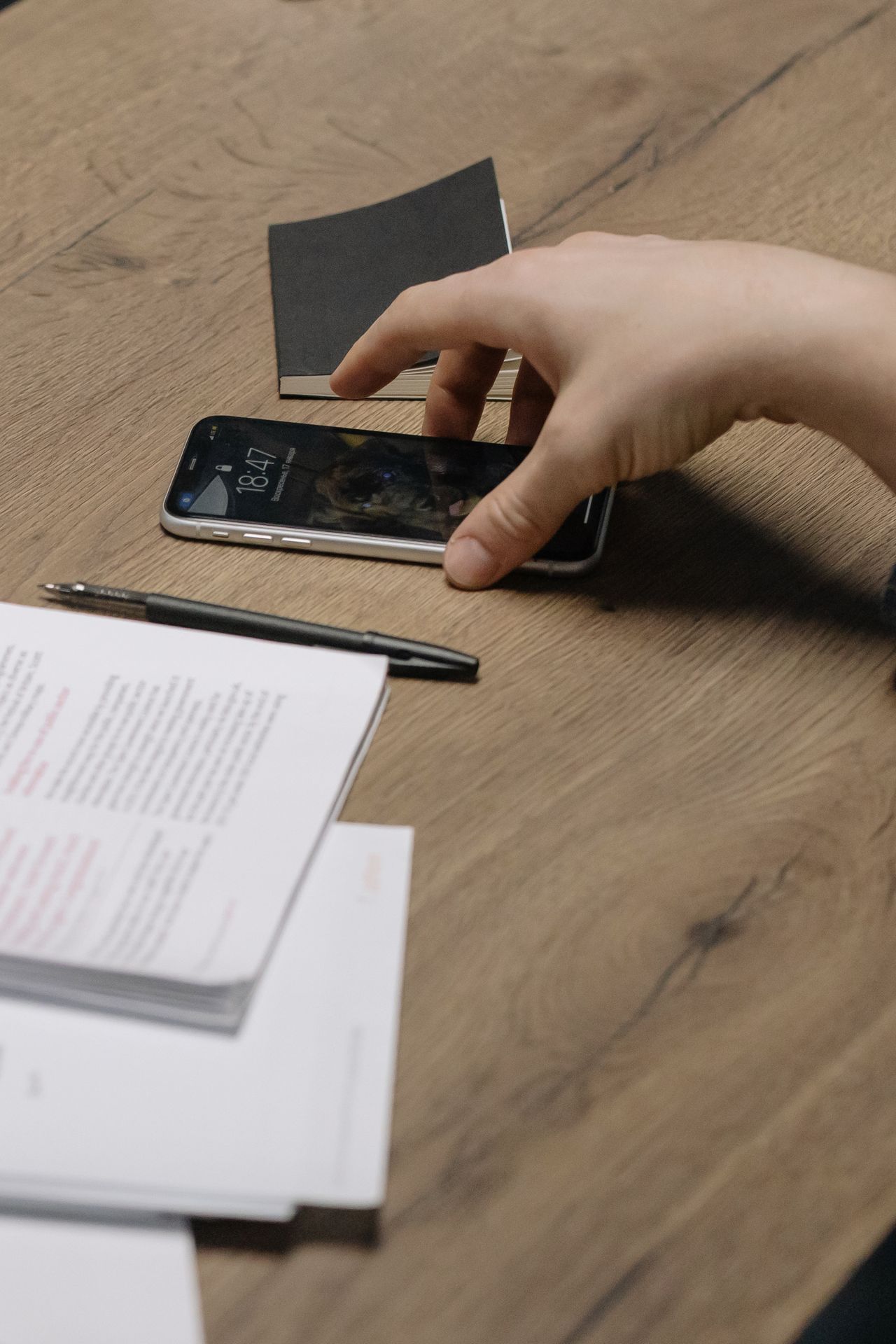
Turned-over smartphone next to a journal showing digital boundary setting.

The Cognitive Crisis: Continuous Partial Attention

Posted on July 4, 2026September 21, 2026 By Agustin Cappuccino 2 Comments on The Cognitive Crisis: Continuous Partial Attention
Mind & Mood
Agustin Cappuccino
Agustin Cappuccino
Health & Wellness Writer

Modern white-collar and knowledge work operates within an unprecedented cognitive landscape. At any given moment, the average knowledge worker juggles an estimated dozen browser tabs, three asynchronous team communication channels, a personal phone vibrating with alerts, and a constant backlog of unread emails.

This way of working has shattered human attentional focus.

The human brain did not evolve to maintain what tech researcher Linda Stone termed continuous partial attention—a state of superficial, non-stop mental scanning where you are never fully engaged with any single task nor completely disengaged in genuine rest.

The result is digital fatigue: a state of neuro-energetic depletion characterized by a heavy sensation behind the eyes, short-term memory lapses, decision paralysis, and pervasive brain fog.

To reclaim your cognitive clarity, you must look at how digital hyper-stimulation impacts the prefrontal cortex and apply concrete boundaries to protect your mental energy.

The Neurochemistry of the Attention Economy

Why is it so difficult to close browser tabs and ignore incoming alerts? The answer lies in the dopaminergic pathways of your reward system.

Dopamine is not the neurochemical of satisfaction; it is the molecule of anticipation, exploration, and pursuit. It spikes most aggressively under conditions of intermittent variable rewards—the exact reinforcement schedule that makes slot machines compelling.

[Smartphone Notification] 
         │
         ▼
[Dopamine Anticipation Spike] ──> "Is it critical? Is it praise?"
         │
         ▼
[Check Device] ──> [Superficial Resolution] ──> [Dopamine Dip Below Baseline]
         │
         ▼
[Compulsive Urge to Check Again]

Every time your phone chimes, your brain experiences an automatic micro-surge of dopamine. Is it an urgent message from a client? A funny meme? A critical project update?

To resolve that curiosity, you switch tasks to check the screen.

The True Cost of “Attentional Switching”

The brain does not multitask. What feels like multitasking is rapid task-switching.

Every switch carries a measurable metabolic cost in glucose and oxygen consumed by the prefrontal cortex. Furthermore, each shift leaves behind attention residue—a portion of your working memory that remains stuck evaluating the previous stimulus rather than the task at hand.

Studies from the University of California, Irvine indicate that it takes an average of 23 minutes and 15 seconds to regain deep focus on a primary task after an interruption. If you glance at a notification every seven minutes, you are operating in a perpetual state of fragmented focus.

The 4 Pillars of Digital Hygiene

Reversing digital fatigue requires structuring your digital tools so they cannot constantly interrupt your focus.

+--------------------+---------------------------------------------------------------+
| Strategy           | Practical Action Step                                         |
+--------------------+---------------------------------------------------------------+
| Grayscale Display  | Strip visual dopamine by removing vivid interface colors.    |
| Notification Culling| Disable all non-human push notifications permanently.        |
| Batch Communication| Process emails/messages in 2 dedicated 45-minute daily windows.|
| Environmental Guard| Physical boundaries: no phones in the bedroom or workspace.   |
+--------------------+---------------------------------------------------------------+

1. Eliminate the Visual Dopamine Hook: Go Grayscale

Smartphones use high-saturation reds, blues, and neon hues specifically because they capture visual attention. The red notification badge on an app icon triggers an evolutionary alarm response.

  • The action step: Convert your smartphone display to monochrome / grayscale (found under Accessibility settings on both iOS and Android).
  • When your screen is rendered in flat shades of gray, the compulsive urge to open and scroll apps drops substantially. The device transforms from a captivating stimulus into a basic utilitarian tool.

2. Ruthlessly Cull Notifications

The vast majority of app notifications provide zero tangible value to your day.

  • Turn off notifications for all social media platforms, news outlets, streaming services, and shopping apps.
  • Keep direct, real-time alerts active only for individual humans who may require immediate, urgent communication (e.g., immediate family phone calls or specific direct work lines).
  • Everything else should be pulled on your own schedule, not pushed into your field of awareness.

3. Establish Structured Deep Work Blocks

Instead of keeping communication tools open all day, transition to batched communication windows:

  • Close your email client and team chat apps entirely during your peak cognitive hours.
  • Schedule two or three dedicated 45-minute windows per day to process, answer, and clear correspondence.
  • Inform colleagues of your availability windows. Predictable communication is far more valuable to team productivity than immediate, erratic responses.

4. Create Sensory Rest Intervals

Breaking out of compulsive app-checking requires introducing small pauses throughout your routine to anchor your attention. Learn how to drop into these brief, practical resets by exploring our guide on micro-mindfulness daily habits.

The Evening Buffer: Protecting Recovery

Digital fatigue is compounded when late-night screen use robs the brain of restful sleep. If you carry the day’s cognitive load into the evening hours, your glymphatic system—the metabolic waste-clearance system of the brain that operates during deep sleep—cannot effectively clear built-up metabolic debris.

Protecting your focus during working hours becomes much easier when you enforce strict screen-free wind-down rituals at night. Implement our step-by-step environmental boundary strategies outlined in our complete guide to an evening routine for better sleep.

Actionable Reset Plan for Clear Mental Energy

  • [ ] Convert your smartphone display to Grayscale permanently.
  • [ ] Turn off all lock-screen banner notifications for non-essential applications.
  • [ ] Block two 90-minute “Airplane Mode” deep work sprints on your calendar daily.
  • [ ] Schedule two fixed times to check and clear emails rather than checking continuously.
  • [ ] Step away from your desk completely during meals; eat without screens or podcasts.
  • [ ] Power down all computing devices at least 60 minutes before bed.

Digital devices are powerful assets, but they should serve your focus, not drain it. By setting firm boundaries around your attention, you protect your prefrontal cortex from sensory overload, eliminate constant mental fatigue, and restore the capacity for deep, uninterrupted creative work.

Post navigation

❮ Previous Post: The Remote Work Trap: How Subtle Biomechanical Strain Accumulates
Next Post: The Dehydration Irony: Drinking Gallons and Staying Thirsty ❯

You may also like

Person with closed eyes practicing deep breathing for autonomic calm.
Mind & Mood
The Breath: The Direct Bridge to Autonomic Control
August 31, 2026
Abstract scientific representation of human biology and neuroanatomy exploring unsolved physiological mysteries.
Body & Nutrition
The Biological Paradox: 5 Unsolved Mysteries of Human Physiology That Modern Medicine Still Cannot Fully Explain
October 2, 2026
Person practicing 10 minutes of mindfulness meditation in a quiet room
Daily Living
The Neuroscience of Stillness: How 10 Minutes of Meditation May Support a Healthier Brain
October 5, 2026
Person struggling with chronic insomnia while looking at the clock at night
Daily Living
Beyond Melatonin: What Really Helps With Chronic Insomnia?
October 7, 2026

2 thoughts on “The Cognitive Crisis: Continuous Partial Attention”

  1. Pingback: Home Office Ergonomics: How to Fix Posture and Reduce Work Fatigue
  2. Pingback: Micro-Mindfulness: Finding Mental Quiet Without Sitting for Hours

Leave a Reply Cancel reply

Your email address will not be published. Required fields are marked *

Healthy Tip of the Day
Give Your Eyes a Screen Break
Staring at screens for long periods can contribute to eye strain and dryness. Taking regular breaks gives your eyes a chance to relax and reminds you to blink more often.
Simple goal: Try the 20-20-20 rule: every 20 minutes, look at something about 20 feet away for at least 20 seconds.
  • Body & Nutrition (12)
  • Daily Living (23)
  • Mind & Mood (9)
✉

Get The Healthy Brief

Clear health news, wellness insights, and practical tips delivered to your inbox.

Free to join. Unsubscribe anytime.

  • Close-up of a person with mild eye redness beside a bottle of eye drops, illustrating temporary eye redness relief.
    FDA Approves Brytly Eye Drops for Redness Relief: What to Know
    by Nick Campbell
    October 17, 2026
  • A person enjoying a healthy morning routine with a glass of water, fresh fruit, and a journal in natural daylight.
    10 Daily Healthy Habits for Better Health, More Energy, and Less Stress
    by Nick Campbell
    October 13, 2026
  • Fresh whole foods, fruits, vegetables, whole grains, and protein sources representing modern nutrition guidelines.
    Rethinking the Plate What the Latest National Dietary Guidelines Mean for Your Health
    by Nick Campbell
    October 12, 2026
  • Cup of morning coffee beside a sunlit window, illustrating caffeine timing and daytime energy.
    Is Your Morning Coffee Making You Tired Later? The Truth About Adenosine and Caffeine
    by Nick Campbell
    October 11, 2026
  • Person struggling with chronic insomnia while looking at the clock at night
    Beyond Melatonin: What Really Helps With Chronic Insomnia?
    by Noah Colasanto
    October 7, 2026
  • Can Egg Yolk Help Hair Growth? What the Science Really Says
    by Nick Campbell
    October 7, 2026
  • Person practicing 10 minutes of mindfulness meditation in a quiet room
    The Neuroscience of Stillness: How 10 Minutes of Meditation May Support a Healthier Brain
    by Nick Campbell
    October 5, 2026
  • A person resting peacefully in a dim bedroom, depicting healthy evening sleep hygiene and digestion.
    The Postprandial Recumbency Trap: Why Sleeping Right After Eating Sabotages Digestion, Heartburn Defense, and Deep Sleep
    by Agustin Cappuccino
    October 3, 2026
  • Abstract scientific representation of human biology and neuroanatomy exploring unsolved physiological mysteries.
    The Biological Paradox: 5 Unsolved Mysteries of Human Physiology That Modern Medicine Still Cannot Fully Explain
    by Noah Colasanto
    October 2, 2026
  • A cluster of fresh bananas showing stages of ripeness on a wooden countertop next to healthy whole foods.
    The 45-Day Banana Protocol: Metabolic, Renal, and Gut Microbiome Shifts from Daily Musa Ingestion
    by Nick Campbell
    October 1, 2026
  • An active adult running comfortably outdoors, representing natural knee preservation and athletic joint mobility.
    The 80% Rule: Why Most People Told They Need a Total Knee Replacement Actually Don’t
    by Nick Campbell
    September 30, 2026
  • A nutrient-dense balanced breakfast featuring poached eggs, avocado, and berries on a sunlit table.
    The Fasting Fallacy: Why Skipping Breakfast Triggers Cortisol Elevation, Muscle Catabolism, and Rebound Overeating
    by Noah Colasanto
    September 29, 2026
  • Introducing soft ambient bias lighting prevents extreme pupillary contrast stress and eases nighttime digital eye strain.
    The Bedtime Glow: Does Scrolling on Your Phone in the Dark Cause Permanent Eye Damage?
    by Noah Colasanto
    September 28, 2026
  • Glass meal prep containers filled with rice, chicken, and vegetables, showing safe leftover food storage.
    The Leftover Paradox: Is Reheating Food Actually Dangerous, or Are We Misunderstanding Food Microbiology?
    by Agustin Cappuccino
    September 27, 2026
  • An adult calmly measuring their blood pressure with a digital upper-arm monitor at home.
    High Blood Pressure Symptoms: Why the Silent Killer Can Go Unnoticed
    by Noah Colasanto
    September 26, 2026
  • A person resting peacefully in bed, highlighting healthy sleep posture and spinal alignment.
    The Prone Dilemma: Biomechanical Stress, Airway Dynamics, and the Hidden Cost of Sleeping on Your Stomach
    by Nick Campbell
    September 25, 2026
  • A balanced meal on a table next to a glass of water, showing healthy mealtime hydration.
    The Stomach Acid Myth: Does Drinking Water After Meals Actually Harm Digestion?
    by Agustin Cappuccino
    September 24, 2026
  • Takishima Mika demonstrating an active lifestyle and healthy aging in her 90s
    What a 90+ Fitness Instructor Can Teach Us About Healthy Aging
    by Noah Colasanto
    September 23, 2026
  • Older adult speaking with a psychiatrist during a discussion about emerging treatments for generalized anxiety disorder
    The Long Winter of Anxiety: Could One Experimental Treatment Change Psychiatry?
    by Nick Campbell
    September 20, 2026
  • Person walking in nature to lower stress and rebalance cortisol levels.
    The Biological Architecture of Burnout
    by Noah Colasanto
    September 11, 2026
  • Person with closed eyes practicing deep breathing for autonomic calm.
    The Breath: The Direct Bridge to Autonomic Control
    by Agustin Cappuccino
    August 31, 2026
  • The Invisible Geyser: What Really Happens Every Time You Flush
    by Nick Campbell
    August 16, 2026
  • Balanced meal featuring fiber, clean protein, and healthy fats on a dinner plate.
    The Glucose Rollercoaster: The Hidden Culprit Behind the 3 PM Slump
    by Nick Campbell
    August 11, 2026
  • Assorted fermented probiotic foods and high-fiber ingredients that support microbiome diversity.
    The “Second Brain” in Your Abdomen
    by Nick Campbell
    August 11, 2026
  • Selection of packaged ultra-processed foods displaying colorful snack wrappers and processed grocery items
    Beyond the Label The Hidden Cost of Ultra-Processed Foods
    by Noah Colasanto
    August 5, 2026
  • Scientific illustration showing experimental biomimetic enamel regeneration on a damaged human tooth
    The Living Armor: Could Scientists Finally Teach Damaged Teeth to Repair Themselves?
    by Nick Campbell
    July 19, 2026
  • Individual walking outdoors casually incorporating more movement into daily life.
    The “Active Couch Potato” Paradox
    by Nick Campbell
    July 11, 2026
  • Glass of fresh water with citrus and mineral electrolyte balance.
    The Dehydration Irony: Drinking Gallons and Staying Thirsty
    by Nick Campbell
    July 11, 2026
  • Turned-over smartphone next to a journal showing digital boundary setting.
    The Cognitive Crisis: Continuous Partial Attention
    by Agustin Cappuccino
    July 4, 2026
  • Ergonomic desk setup with monitor at eye level and supportive office chair.
    The Remote Work Trap: How Subtle Biomechanical Strain Accumulates
    by Nick Campbell
    June 11, 2026
  • Person standing in golden morning sunlight outdoors to reset circadian rhythm.
    The Biological Power of Morning Light: Resetting Your Energy and Sleep
    by Agustin Cappuccino
    June 8, 2026
  • Person walking in nature to lower stress and rebalance cortisol levels.
    The Modern Evening Crisis: Why Your Brain Refuses to Sleep
    by Noah Colasanto
    June 1, 2026
  • Terms of Use
  • Subscribe
  • Privacy Policy
  • Medical Disclaimer
  • Editorial Guidelines
  • Comment Policy
  • Affiliate Disclosure
  • About Us
  • Disclaimer

Copyright © 2026 The Healthy Brief.

Theme: Oceanly Green by ScriptsTown