Skip to content
The Healthy Brief
  • Daily Living
  • Mind & Mood
  • Body & Nutrition
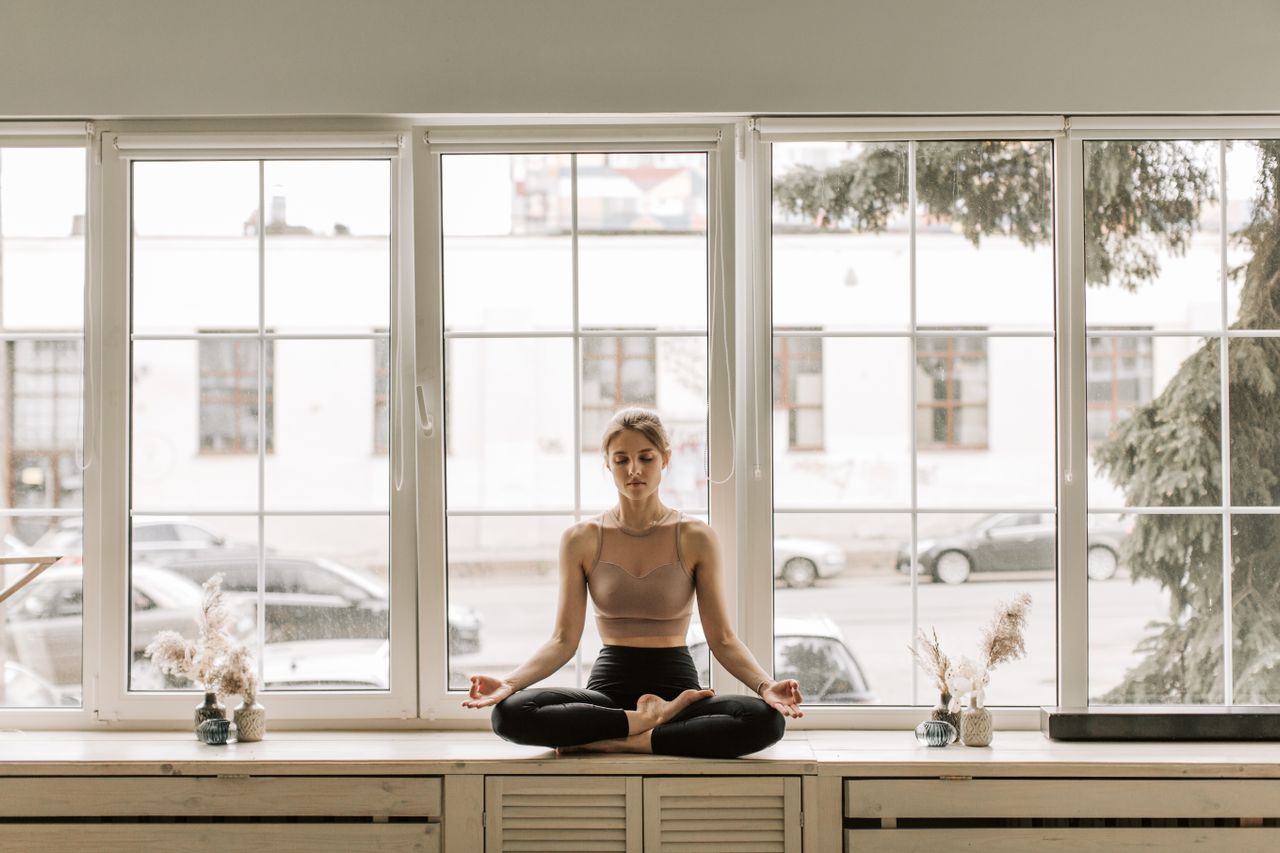
Person with closed eyes practicing deep breathing for autonomic calm.

The Breath: The Direct Bridge to Autonomic Control

Posted on August 31, 2026September 21, 2026 By Agustin Cappuccino No Comments on The Breath: The Direct Bridge to Autonomic Control
Mind & Mood
Agustin Cappuccino
Agustin Cappuccino
Health & Wellness Writer

Your autonomic nervous system controls the basic physiological functions of life: heart rate, arterial blood pressure, digestive motility, pupil dilation, and immune activation.

By definition, these processes happen automatically. You cannot consciously command your heart to drop from 95 beats per minute to 65 bpm through willpower alone, nor can you manually instruct your stomach to speed up peristalsis.

There is, however, a single notable exception to this rule: respiration.

Breathing sits uniquely at the intersection of voluntary and involuntary control. It continues steadily while you sleep, yet the moment you choose to intervene, you can change your breath’s depth, pace, and rhythm.

Because the respiratory system shares shared neural circuitry with the cardiovascular and central nervous systems, how you breathe is a direct input to your autonomic tone.

Controlled breathwork is not a placebo or mere wishful thinking; it is a rapid, mechanically grounded intervention for shifting your physiology from acute panic to baseline stability.

The Biomechanics of the Vagus Nerve and Respiratory Sinus Arrhythmia

To understand why controlled breathing works so quickly, we must examine the physical connection between your diaphragm, your heart, and the vagus nerve (the tenth cranial nerve, which provides the main parasympathetic input to your body).

This interaction is driven by a natural biological mechanism known as Respiratory Sinus Arrhythmia (RSA):

[Inhalation] ──> Diaphragm descends ──> Thoracic space increases ──> Heart expands
                                                                          │
                                                                          ▼
[Brain slows down parasympathetic brake] <── Slower blood flow detected
                                              by sinoatrial node
                                                                          │
                                                                          ▼
                                                                  [Heart Rate Increases]

[Exhalation] ──> Diaphragm ascends ──> Thoracic space decreases ──> Heart compresses
                                                                          │
                                                                          ▼
[Brain signals Vagus Nerve to fire] <── Increased blood pressure detected
                                         by arterial baroreceptors
                                                                          │
                                                                          ▼
                                                                  [Heart Rate Slows]
  1. On the Inhalation: Your muscular diaphragm contracts and moves downward, expanding the volume of your thoracic (chest) cavity. This momentary increase in space allows the chambers of your heart to expand slightly, which briefly slows the velocity of blood flowing through them. The sinoatrial node registers this shift and signals the brain, which temporarily eases off the parasympathetic brake—causing your heart rate to speed up slightly.
  2. On the Exhalation: The diaphragm relaxes and glides upward, reducing thoracic volume. Pressure on the heart increases, and blood leaves the chambers more rapidly. Arterial baroreceptors detect this rise in pressure and immediately signal the brainstem to increase parasympathetic output via the vagus nerve—causing your heart rate to slow down immediately.

This dynamic reveals a fundamental rule of human physiology:

  • Emphasizing inhalations accelerates autonomic arousal.
  • Emphasizing long, slow exhalations mechanically stimulates the vagus nerve and activates the parasympathetic brake, dropping your heart rate and easing anxiety.

The Biochemistry: Why Carbon Dioxide Matters

A common misconception during moments of anxiety is that you are “short of oxygen.”

When anxiety strikes, breathing often becomes shallow, rapid, and concentrated in the upper chest. This pattern leads to hyperventilation, which paradoxically blows off too much carbon dioxide ($CO_2$).

Over-breathing / Panic ──> Drops Arterial CO2 ──> Elevates Blood pH
                                                            │
                                                            ▼
Vessels Constrict <── Brain Interprets as Threat <── Bohr Effect Halts O2 Delivery

Through the Bohr Effect, hemoglobin requires a specific concentration of carbon dioxide in the blood to release oxygen molecules into peripheral tissues and brain cells.

When you blow off excess $CO_2$ through rapid, frantic breathing:

  • Systemic blood vessels constrict.
  • Hemoglobin binds tightly to oxygen, refusing to release it to brain tissue.
  • You experience lightheadedness, tingling in the fingers, tight chest muscles, and heightened panic.

Effective breathwork is not about gulping massive volumes of air. It is about slowing down your breathing rate to preserve balanced carbon dioxide levels, allowing oxygen to be efficiently delivered to your central nervous system.

3 Science-Backed Breathwork Protocols

Use these three distinct, validated breathing techniques depending on your immediate physical needs:

+--------------------------+------------------------------+--------------------------+
| Protocol                 | Cadence Pattern              | Primary Use Case         |
+--------------------------+------------------------------+--------------------------+
| The Physiological Sigh   | Double inhale + Long exhale  | Acute panic / Fast reset |
| Box Breathing            | 4s In - 4s Hold - 4s Out - 4s| Focus under pressure     |
| 4-7-8 Down-Regulation    | 4s In - 7s Hold - 8s Out     | Evening wind-down / Sleep|
+--------------------------+------------------------------+--------------------------+

1. The Physiological Sigh (Instant Reset)

Identified by respiratory physiologists in the 1930s and recently studied in depth at Stanford University, the physiological sigh is the fastest way to halt an acute stress response in real time.

  • How to do it:
    1. Take a deep, sharp inhalation through your nose, filling roughly 80% of your lungs.
    2. At the very top, pause for a split second and take a second, sharp sip of air through your nose to fully expand the alveoli in your lungs.
    3. Release a long, unforced exhalation through your mouth until your lungs are empty.
  • Why it works: The secondary inhale pops open collapsed lung sacs (atelectasis), increasing the surface area for gas exchange, while the prolonged exhalation rapidly engages the vagal brake. Two to three cycles are typically enough to lower an elevated resting heart rate.

Slowing your exhalation triggers a vagal response that blunts the surge of adrenal hormones driving chronic burnout. To understand how chronic stress depletes your system over time, review our analysis of signs of high cortisol burnout.

2. Box Breathing (Focus and Steady Nerves)

Used extensively by elite tactical teams and professional athletes, Box Breathing (or square breathing) stabilizes autonomic tone during high-stress scenarios without inducing sleepiness.

  • How to do it:
    • Inhale through your nose for 4 seconds.
    • Hold your breath with full lungs for 4 seconds.
    • Exhale smoothly through your nose for 4 seconds.
    • Hold your breath with empty lungs for 4 seconds.
    • Repeat for 4 to 5 continuous cycles.
  • Why it works: The balanced intervals regulate arterial $CO_2$ concentration, steady erratic heart rate variability (HRV), and quiet racing thoughts.

3. The 4-7-8 Sequence (Deep Parasympathetic Transition)

Developed by Dr. Andrew Weil, this pattern is an effective tool for transitioning into sleep or soothing high evening anxiety.

  • How to do it:
    • Inhale quietly through your nose for 4 seconds.
    • Hold your breath comfortably for 7 seconds.
    • Exhale audibly through your mouth with a soft whoosh for 8 seconds.
    • Complete 4 full cycles.

Adopting a rhythmic 4-7-8 breathing sequence serves as a seamless bridge into deep, undisturbed nocturnal rest. Learn how to integrate this practice into a complete recovery space by exploring our guide to building an evening routine for better sleep.

Daily Breath Practice Blueprint

  • Morning: 5 minutes of Box Breathing to cultivate calm, focused alertness before checking screens.
  • Midday Transitions: 2 Physiological Sighs whenever you notice neck tension or an elevated heart rate between meetings.
  • Bedtime: 4 cycles of the 4-7-8 sequence while lying in bed to quiet cognitive chatter and drop your core temperature.

Your breath is an internal control dial for your nervous system. By shifting from erratic chest breathing to deliberate, exhalation-focused diaphragmatic patterns, you move from involuntary panic into measured physical calm.

Post navigation

❮ Previous Post: The Invisible Geyser: What Really Happens Every Time You Flush
Next Post: The Biological Architecture of Burnout ❯

You may also like

Person walking in nature to lower stress and rebalance cortisol levels.
Mind & Mood
The Biological Architecture of Burnout
September 11, 2026
Person practicing 10 minutes of mindfulness meditation in a quiet room
Daily Living
The Neuroscience of Stillness: How 10 Minutes of Meditation May Support a Healthier Brain
October 5, 2026
Takishima Mika demonstrating an active lifestyle and healthy aging in her 90s
Daily Living
What a 90+ Fitness Instructor Can Teach Us About Healthy Aging
September 23, 2026
Person struggling with chronic insomnia while looking at the clock at night
Daily Living
Beyond Melatonin: What Really Helps With Chronic Insomnia?
October 7, 2026

Leave a Reply Cancel reply

Your email address will not be published. Required fields are marked *

Healthy Tip of the Day
Give Your Eyes a Screen Break
Staring at screens for long periods can contribute to eye strain and dryness. Taking regular breaks gives your eyes a chance to relax and reminds you to blink more often.
Simple goal: Try the 20-20-20 rule: every 20 minutes, look at something about 20 feet away for at least 20 seconds.
  • Body & Nutrition (12)
  • Daily Living (23)
  • Mind & Mood (9)
✉

Get The Healthy Brief

Clear health news, wellness insights, and practical tips delivered to your inbox.

Free to join. Unsubscribe anytime.

  • Close-up of a person with mild eye redness beside a bottle of eye drops, illustrating temporary eye redness relief.
    FDA Approves Brytly Eye Drops for Redness Relief: What to Know
    by Nick Campbell
    October 17, 2026
  • A person enjoying a healthy morning routine with a glass of water, fresh fruit, and a journal in natural daylight.
    10 Daily Healthy Habits for Better Health, More Energy, and Less Stress
    by Nick Campbell
    October 13, 2026
  • Fresh whole foods, fruits, vegetables, whole grains, and protein sources representing modern nutrition guidelines.
    Rethinking the Plate What the Latest National Dietary Guidelines Mean for Your Health
    by Nick Campbell
    October 12, 2026
  • Cup of morning coffee beside a sunlit window, illustrating caffeine timing and daytime energy.
    Is Your Morning Coffee Making You Tired Later? The Truth About Adenosine and Caffeine
    by Nick Campbell
    October 11, 2026
  • Person struggling with chronic insomnia while looking at the clock at night
    Beyond Melatonin: What Really Helps With Chronic Insomnia?
    by Noah Colasanto
    October 7, 2026
  • Can Egg Yolk Help Hair Growth? What the Science Really Says
    by Nick Campbell
    October 7, 2026
  • Person practicing 10 minutes of mindfulness meditation in a quiet room
    The Neuroscience of Stillness: How 10 Minutes of Meditation May Support a Healthier Brain
    by Nick Campbell
    October 5, 2026
  • A person resting peacefully in a dim bedroom, depicting healthy evening sleep hygiene and digestion.
    The Postprandial Recumbency Trap: Why Sleeping Right After Eating Sabotages Digestion, Heartburn Defense, and Deep Sleep
    by Agustin Cappuccino
    October 3, 2026
  • Abstract scientific representation of human biology and neuroanatomy exploring unsolved physiological mysteries.
    The Biological Paradox: 5 Unsolved Mysteries of Human Physiology That Modern Medicine Still Cannot Fully Explain
    by Noah Colasanto
    October 2, 2026
  • A cluster of fresh bananas showing stages of ripeness on a wooden countertop next to healthy whole foods.
    The 45-Day Banana Protocol: Metabolic, Renal, and Gut Microbiome Shifts from Daily Musa Ingestion
    by Nick Campbell
    October 1, 2026
  • An active adult running comfortably outdoors, representing natural knee preservation and athletic joint mobility.
    The 80% Rule: Why Most People Told They Need a Total Knee Replacement Actually Don’t
    by Nick Campbell
    September 30, 2026
  • A nutrient-dense balanced breakfast featuring poached eggs, avocado, and berries on a sunlit table.
    The Fasting Fallacy: Why Skipping Breakfast Triggers Cortisol Elevation, Muscle Catabolism, and Rebound Overeating
    by Noah Colasanto
    September 29, 2026
  • Introducing soft ambient bias lighting prevents extreme pupillary contrast stress and eases nighttime digital eye strain.
    The Bedtime Glow: Does Scrolling on Your Phone in the Dark Cause Permanent Eye Damage?
    by Noah Colasanto
    September 28, 2026
  • Glass meal prep containers filled with rice, chicken, and vegetables, showing safe leftover food storage.
    The Leftover Paradox: Is Reheating Food Actually Dangerous, or Are We Misunderstanding Food Microbiology?
    by Agustin Cappuccino
    September 27, 2026
  • An adult calmly measuring their blood pressure with a digital upper-arm monitor at home.
    High Blood Pressure Symptoms: Why the Silent Killer Can Go Unnoticed
    by Noah Colasanto
    September 26, 2026
  • A person resting peacefully in bed, highlighting healthy sleep posture and spinal alignment.
    The Prone Dilemma: Biomechanical Stress, Airway Dynamics, and the Hidden Cost of Sleeping on Your Stomach
    by Nick Campbell
    September 25, 2026
  • A balanced meal on a table next to a glass of water, showing healthy mealtime hydration.
    The Stomach Acid Myth: Does Drinking Water After Meals Actually Harm Digestion?
    by Agustin Cappuccino
    September 24, 2026
  • Takishima Mika demonstrating an active lifestyle and healthy aging in her 90s
    What a 90+ Fitness Instructor Can Teach Us About Healthy Aging
    by Noah Colasanto
    September 23, 2026
  • Older adult speaking with a psychiatrist during a discussion about emerging treatments for generalized anxiety disorder
    The Long Winter of Anxiety: Could One Experimental Treatment Change Psychiatry?
    by Nick Campbell
    September 20, 2026
  • Person walking in nature to lower stress and rebalance cortisol levels.
    The Biological Architecture of Burnout
    by Noah Colasanto
    September 11, 2026
  • Person with closed eyes practicing deep breathing for autonomic calm.
    The Breath: The Direct Bridge to Autonomic Control
    by Agustin Cappuccino
    August 31, 2026
  • The Invisible Geyser: What Really Happens Every Time You Flush
    by Nick Campbell
    August 16, 2026
  • Balanced meal featuring fiber, clean protein, and healthy fats on a dinner plate.
    The Glucose Rollercoaster: The Hidden Culprit Behind the 3 PM Slump
    by Nick Campbell
    August 11, 2026
  • Assorted fermented probiotic foods and high-fiber ingredients that support microbiome diversity.
    The “Second Brain” in Your Abdomen
    by Nick Campbell
    August 11, 2026
  • Selection of packaged ultra-processed foods displaying colorful snack wrappers and processed grocery items
    Beyond the Label The Hidden Cost of Ultra-Processed Foods
    by Noah Colasanto
    August 5, 2026
  • Scientific illustration showing experimental biomimetic enamel regeneration on a damaged human tooth
    The Living Armor: Could Scientists Finally Teach Damaged Teeth to Repair Themselves?
    by Nick Campbell
    July 19, 2026
  • Individual walking outdoors casually incorporating more movement into daily life.
    The “Active Couch Potato” Paradox
    by Nick Campbell
    July 11, 2026
  • Glass of fresh water with citrus and mineral electrolyte balance.
    The Dehydration Irony: Drinking Gallons and Staying Thirsty
    by Nick Campbell
    July 11, 2026
  • Turned-over smartphone next to a journal showing digital boundary setting.
    The Cognitive Crisis: Continuous Partial Attention
    by Agustin Cappuccino
    July 4, 2026
  • Ergonomic desk setup with monitor at eye level and supportive office chair.
    The Remote Work Trap: How Subtle Biomechanical Strain Accumulates
    by Nick Campbell
    June 11, 2026
  • Person standing in golden morning sunlight outdoors to reset circadian rhythm.
    The Biological Power of Morning Light: Resetting Your Energy and Sleep
    by Agustin Cappuccino
    June 8, 2026
  • Person walking in nature to lower stress and rebalance cortisol levels.
    The Modern Evening Crisis: Why Your Brain Refuses to Sleep
    by Noah Colasanto
    June 1, 2026
  • Terms of Use
  • Subscribe
  • Privacy Policy
  • Medical Disclaimer
  • Editorial Guidelines
  • Comment Policy
  • Affiliate Disclosure
  • About Us
  • Disclaimer

Copyright © 2026 The Healthy Brief.

Theme: Oceanly Green by ScriptsTown