Skip to content
The Healthy Brief
  • Daily Living
  • Mind & Mood
  • Body & Nutrition

The Invisible Geyser: What Really Happens Every Time You Flush

Posted on August 16, 2026September 21, 2026 By Nick Campbell No Comments on The Invisible Geyser: What Really Happens Every Time You Flush
Daily Living
Nick Campbell
Nick Campbell
Health & Wellness Writer

But scientists have spent years asking a surprisingly simple question: what exactly happens to the air when you flush?

A new systematic review published in Science of the Total Environment has brought fresh attention to the subject. Researchers reviewed 22 studies examining aerosols and bioaerosols generated during toilet flushing. Their findings confirm that flushing can produce airborne particles, with the amount influenced by factors such as the amount of material in the bowl and the energy of the flush.

That sounds alarming.

But there is an important distinction between detecting airborne particles and proving that someone will become infected because of them.

The researchers specifically noted that stronger evidence is still needed to understand the actual health risk.

🦠 THE TOILET FLUSH YOU CAN’T SEE

You flush the toilet… and within seconds, something invisible may rise into the air around you.

A review of 22 studies found that flushing can create tiny airborne particles that may reach breathing height. If microbes are present in the… pic.twitter.com/385J4IQmnd

— SciTech Girl (@scitechgirl) September 15, 2026

What Happens When You Press the Handle?

A toilet flush is not simply water disappearing down a pipe.

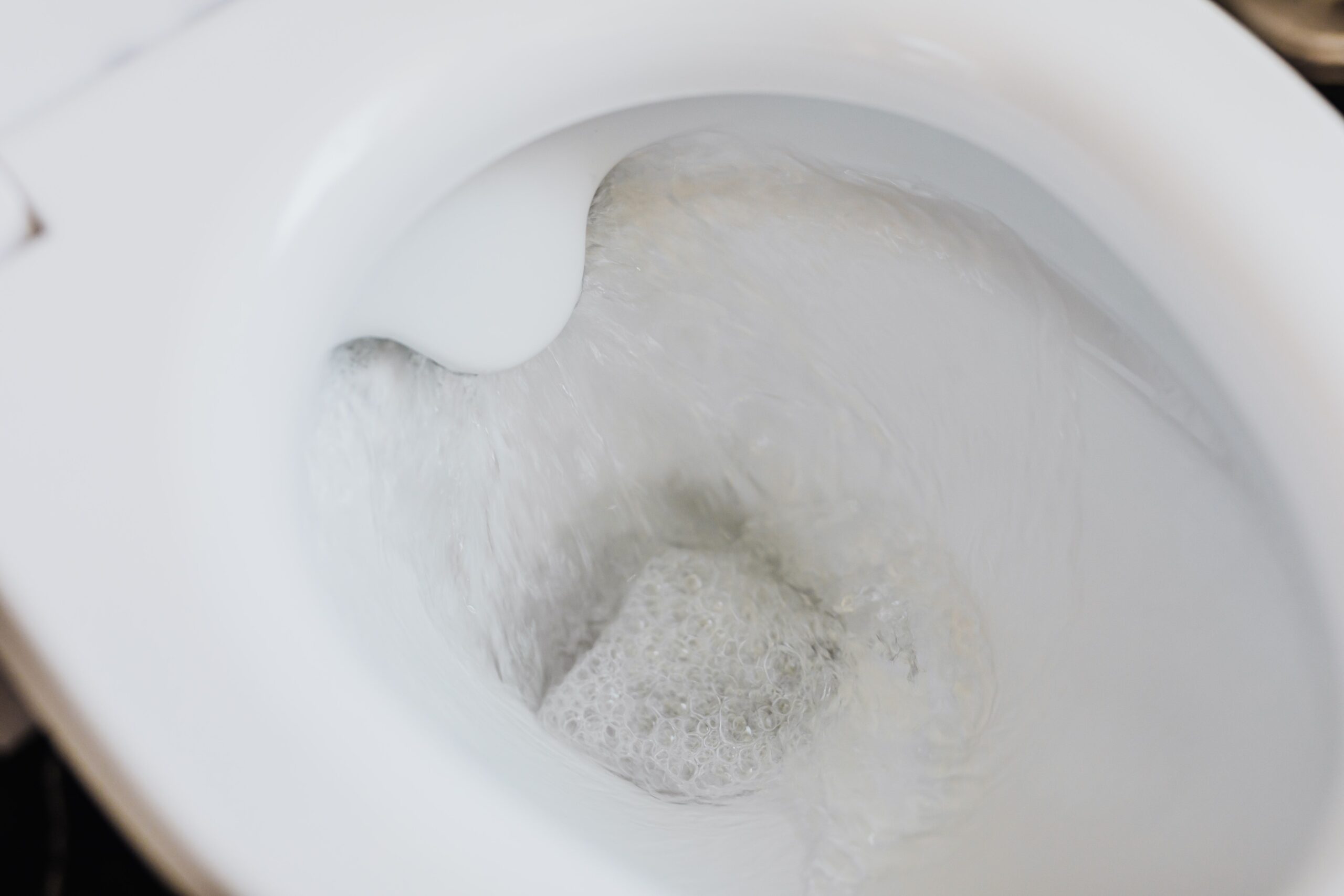
Water moves rapidly through the bowl, creating turbulence and disturbing the air above it. That process can break liquid into droplets and smaller aerosol particles that become temporarily suspended in the bathroom.

Some particles are relatively large and settle onto nearby surfaces. Smaller particles can remain airborne for longer and move with the air currents in the room.

The 2026 review found that larger flush volumes and higher levels of material introduced into the toilet generally produced higher aerosol and bioaerosol concentrations.

Exactly how far those particles travel, how long they remain suspended and what happens to them depends on the toilet design, flushing conditions, room airflow and the type of particles being studied.

That variability is important.

There is no single “toilet plume” that behaves identically in every bathroom.

The Part That Contains the Real Health Question

The concern is not water droplets by themselves.

It is whether those droplets contain microorganisms capable of causing illness.

Researchers have studied toilet-generated aerosols containing bacterial, viral and surrogate particles. The 2026 review included both experiments in which toilets were deliberately seeded with microorganisms or tracer material and studies examining naturally occurring biological material.

But finding microbial material in an aerosol is not the same as demonstrating infection.

Earlier reviews have also concluded that potentially infectious aerosols can be generated during flushing, while noting that the contribution of toilet plumes to actual disease transmission remains uncertain.

That distinction is particularly important for older adults, who may already feel overwhelmed by health warnings.

The message is not that your bathroom is constantly filling with a dangerous cloud.

It is that ordinary hygiene becomes especially important when someone is sick.

Why This Matters More During a Stomach Bug

Norovirus is one example.

It can spread through contaminated surfaces, food, hands and other routes. When someone has vomiting or diarrhea, bathroom surfaces can become contaminated, which is why CDC guidance recommends cleaning and disinfecting affected areas carefully.

The same principle applies to Clostridioides difficile, commonly called C. diff.

C. diff can cause diarrhea and inflammation of the colon and is particularly important in healthcare settings and among vulnerable patients. CDC guidance recommends regular cleaning and disinfection of toilets and other high-touch surfaces when C. diff is present.

This does not mean that a healthy person needs to disinfect the entire bathroom after every ordinary flush.

It means that bathroom hygiene deserves extra attention when illness is present.

What About Closing the Toilet Lid?

This is one of the most familiar pieces of bathroom advice—and the science is more complicated than a simple yes or no.

Closing a lid can physically block some larger droplets from rising directly out of the bowl.

However, the new 2026 systematic review found that evidence for an independent effect of lid position was limited and inconsistent across studies. Ventilation effects were also not consistent enough for researchers to make a simple universal conclusion.

So closing the lid is a reasonable household habit, but it should not be described as an airtight barrier that eliminates every aerosol.

The bigger picture is more practical: hand hygiene, cleaning and good bathroom maintenance remain important.

The Bathroom Habits Worth Keeping

You do not need to become obsessed with microscopic particles.

A few ordinary habits provide much more useful protection.

Wash your hands thoroughly. Soap and water are particularly important after using the bathroom and before eating. CDC guidance emphasizes handwashing as a core measure for preventing norovirus and other infections.

Keep frequently touched surfaces clean. During an illness, pay attention to toilet seats, flush handles, faucets, door handles and other surfaces that many people touch. CDC guidance specifically recommends cleaning and disinfecting frequently touched bathroom surfaces during norovirus outbreaks.

Clean promptly when someone is sick. If a household member has vomiting or diarrhea, follow appropriate cleaning and disinfection guidance rather than relying on ordinary routine cleaning.

Keep the bathroom reasonably ventilated. Good indoor airflow is sensible, although the latest review found that the specific effect of ventilation on toilet-generated aerosols varied between studies.

Do not panic about ordinary flushing. The research identifies a potential exposure pathway, not proof that routine toilet use makes people ill.

A Special Consideration for Older Adults

For older adults, the most important lesson may be less dramatic than the headline suggests.

Age itself does not mean someone should be afraid of using a normal bathroom.

But infections such as norovirus and C. diff can be particularly troublesome for people who are medically vulnerable. Diarrhea and vomiting can also lead to fluid loss, which can become a concern for older people.

That makes prevention during household outbreaks worthwhile.

If someone in the home is sick, give particular attention to handwashing, bathroom cleaning and keeping contaminated surfaces from being shared unnecessarily.

If an older person develops significant diarrhea, repeated vomiting, signs of dehydration, worsening weakness or other concerning symptoms, medical advice may be appropriate.

The Invisible World Around Us

There is something fascinating about toilet-flush research: it reveals how much of our indoor environment exists beyond what our eyes can see.

A bathroom can look spotless while microscopic droplets are moving through the air.

But that does not make the room inherently dangerous.

The 2026 review is actually a reminder that scientists are still working to understand how toilet-generated aerosols behave and what their real contribution to infection risk might be. The authors call for stronger empirical evidence before risk-based decisions can be made with greater confidence.

For now, the sensible response is not fear.

Close the lid if you prefer. Keep bathrooms clean. Wash your hands properly. Pay extra attention when someone is sick.

And remember that modern sanitation has made everyday life dramatically safer—not more dangerous.

Sometimes the healthiest response to an invisible threat is not to worry about everything we cannot see.

It is simply to practice the habits that we already know work.

Photo by https://kaboompics.com/: https://www.pexels.com/photo/flushing-water-in-white-toilet-bowl-4239015/
Post navigation

❮ Previous Post: The Glucose Rollercoaster: The Hidden Culprit Behind the 3 PM Slump
Next Post: The Breath: The Direct Bridge to Autonomic Control ❯

You may also like

A person resting peacefully in a dim bedroom, depicting healthy evening sleep hygiene and digestion.
Daily Living
The Postprandial Recumbency Trap: Why Sleeping Right After Eating Sabotages Digestion, Heartburn Defense, and Deep Sleep
October 3, 2026
A person enjoying a healthy morning routine with a glass of water, fresh fruit, and a journal in natural daylight.
Daily Living
10 Daily Healthy Habits for Better Health, More Energy, and Less Stress
October 13, 2026
An adult calmly measuring their blood pressure with a digital upper-arm monitor at home.
Daily Living
High Blood Pressure Symptoms: Why the Silent Killer Can Go Unnoticed
September 26, 2026
Close-up of a person with mild eye redness beside a bottle of eye drops, illustrating temporary eye redness relief.
Daily Living
FDA Approves Brytly Eye Drops for Redness Relief: What to Know
October 17, 2026

Leave a Reply Cancel reply

Your email address will not be published. Required fields are marked *

Healthy Tip of the Day
Give Your Eyes a Screen Break
Staring at screens for long periods can contribute to eye strain and dryness. Taking regular breaks gives your eyes a chance to relax and reminds you to blink more often.
Simple goal: Try the 20-20-20 rule: every 20 minutes, look at something about 20 feet away for at least 20 seconds.
  • Body & Nutrition (12)
  • Daily Living (23)
  • Mind & Mood (9)
✉

Get The Healthy Brief

Clear health news, wellness insights, and practical tips delivered to your inbox.

Free to join. Unsubscribe anytime.

  • Close-up of a person with mild eye redness beside a bottle of eye drops, illustrating temporary eye redness relief.
    FDA Approves Brytly Eye Drops for Redness Relief: What to Know
    by Nick Campbell
    October 17, 2026
  • A person enjoying a healthy morning routine with a glass of water, fresh fruit, and a journal in natural daylight.
    10 Daily Healthy Habits for Better Health, More Energy, and Less Stress
    by Nick Campbell
    October 13, 2026
  • Fresh whole foods, fruits, vegetables, whole grains, and protein sources representing modern nutrition guidelines.
    Rethinking the Plate What the Latest National Dietary Guidelines Mean for Your Health
    by Nick Campbell
    October 12, 2026
  • Cup of morning coffee beside a sunlit window, illustrating caffeine timing and daytime energy.
    Is Your Morning Coffee Making You Tired Later? The Truth About Adenosine and Caffeine
    by Nick Campbell
    October 11, 2026
  • Person struggling with chronic insomnia while looking at the clock at night
    Beyond Melatonin: What Really Helps With Chronic Insomnia?
    by Noah Colasanto
    October 7, 2026
  • Can Egg Yolk Help Hair Growth? What the Science Really Says
    by Nick Campbell
    October 7, 2026
  • Person practicing 10 minutes of mindfulness meditation in a quiet room
    The Neuroscience of Stillness: How 10 Minutes of Meditation May Support a Healthier Brain
    by Nick Campbell
    October 5, 2026
  • A person resting peacefully in a dim bedroom, depicting healthy evening sleep hygiene and digestion.
    The Postprandial Recumbency Trap: Why Sleeping Right After Eating Sabotages Digestion, Heartburn Defense, and Deep Sleep
    by Agustin Cappuccino
    October 3, 2026
  • Abstract scientific representation of human biology and neuroanatomy exploring unsolved physiological mysteries.
    The Biological Paradox: 5 Unsolved Mysteries of Human Physiology That Modern Medicine Still Cannot Fully Explain
    by Noah Colasanto
    October 2, 2026
  • A cluster of fresh bananas showing stages of ripeness on a wooden countertop next to healthy whole foods.
    The 45-Day Banana Protocol: Metabolic, Renal, and Gut Microbiome Shifts from Daily Musa Ingestion
    by Nick Campbell
    October 1, 2026
  • An active adult running comfortably outdoors, representing natural knee preservation and athletic joint mobility.
    The 80% Rule: Why Most People Told They Need a Total Knee Replacement Actually Don’t
    by Nick Campbell
    September 30, 2026
  • A nutrient-dense balanced breakfast featuring poached eggs, avocado, and berries on a sunlit table.
    The Fasting Fallacy: Why Skipping Breakfast Triggers Cortisol Elevation, Muscle Catabolism, and Rebound Overeating
    by Noah Colasanto
    September 29, 2026
  • Introducing soft ambient bias lighting prevents extreme pupillary contrast stress and eases nighttime digital eye strain.
    The Bedtime Glow: Does Scrolling on Your Phone in the Dark Cause Permanent Eye Damage?
    by Noah Colasanto
    September 28, 2026
  • Glass meal prep containers filled with rice, chicken, and vegetables, showing safe leftover food storage.
    The Leftover Paradox: Is Reheating Food Actually Dangerous, or Are We Misunderstanding Food Microbiology?
    by Agustin Cappuccino
    September 27, 2026
  • An adult calmly measuring their blood pressure with a digital upper-arm monitor at home.
    High Blood Pressure Symptoms: Why the Silent Killer Can Go Unnoticed
    by Noah Colasanto
    September 26, 2026
  • A person resting peacefully in bed, highlighting healthy sleep posture and spinal alignment.
    The Prone Dilemma: Biomechanical Stress, Airway Dynamics, and the Hidden Cost of Sleeping on Your Stomach
    by Nick Campbell
    September 25, 2026
  • A balanced meal on a table next to a glass of water, showing healthy mealtime hydration.
    The Stomach Acid Myth: Does Drinking Water After Meals Actually Harm Digestion?
    by Agustin Cappuccino
    September 24, 2026
  • Takishima Mika demonstrating an active lifestyle and healthy aging in her 90s
    What a 90+ Fitness Instructor Can Teach Us About Healthy Aging
    by Noah Colasanto
    September 23, 2026
  • Older adult speaking with a psychiatrist during a discussion about emerging treatments for generalized anxiety disorder
    The Long Winter of Anxiety: Could One Experimental Treatment Change Psychiatry?
    by Nick Campbell
    September 20, 2026
  • Person walking in nature to lower stress and rebalance cortisol levels.
    The Biological Architecture of Burnout
    by Noah Colasanto
    September 11, 2026
  • Person with closed eyes practicing deep breathing for autonomic calm.
    The Breath: The Direct Bridge to Autonomic Control
    by Agustin Cappuccino
    August 31, 2026
  • The Invisible Geyser: What Really Happens Every Time You Flush
    by Nick Campbell
    August 16, 2026
  • Balanced meal featuring fiber, clean protein, and healthy fats on a dinner plate.
    The Glucose Rollercoaster: The Hidden Culprit Behind the 3 PM Slump
    by Nick Campbell
    August 11, 2026
  • Assorted fermented probiotic foods and high-fiber ingredients that support microbiome diversity.
    The “Second Brain” in Your Abdomen
    by Nick Campbell
    August 11, 2026
  • Selection of packaged ultra-processed foods displaying colorful snack wrappers and processed grocery items
    Beyond the Label The Hidden Cost of Ultra-Processed Foods
    by Noah Colasanto
    August 5, 2026
  • Scientific illustration showing experimental biomimetic enamel regeneration on a damaged human tooth
    The Living Armor: Could Scientists Finally Teach Damaged Teeth to Repair Themselves?
    by Nick Campbell
    July 19, 2026
  • Individual walking outdoors casually incorporating more movement into daily life.
    The “Active Couch Potato” Paradox
    by Nick Campbell
    July 11, 2026
  • Glass of fresh water with citrus and mineral electrolyte balance.
    The Dehydration Irony: Drinking Gallons and Staying Thirsty
    by Nick Campbell
    July 11, 2026
  • Turned-over smartphone next to a journal showing digital boundary setting.
    The Cognitive Crisis: Continuous Partial Attention
    by Agustin Cappuccino
    July 4, 2026
  • Ergonomic desk setup with monitor at eye level and supportive office chair.
    The Remote Work Trap: How Subtle Biomechanical Strain Accumulates
    by Nick Campbell
    June 11, 2026
  • Person standing in golden morning sunlight outdoors to reset circadian rhythm.
    The Biological Power of Morning Light: Resetting Your Energy and Sleep
    by Agustin Cappuccino
    June 8, 2026
  • Person walking in nature to lower stress and rebalance cortisol levels.
    The Modern Evening Crisis: Why Your Brain Refuses to Sleep
    by Noah Colasanto
    June 1, 2026
  • Terms of Use
  • Subscribe
  • Privacy Policy
  • Medical Disclaimer
  • Editorial Guidelines
  • Comment Policy
  • Affiliate Disclosure
  • About Us
  • Disclaimer

Copyright © 2026 The Healthy Brief.

Theme: Oceanly Green by ScriptsTown