Skip to content
The Healthy Brief
  • Daily Living
  • Mind & Mood
  • Body & Nutrition
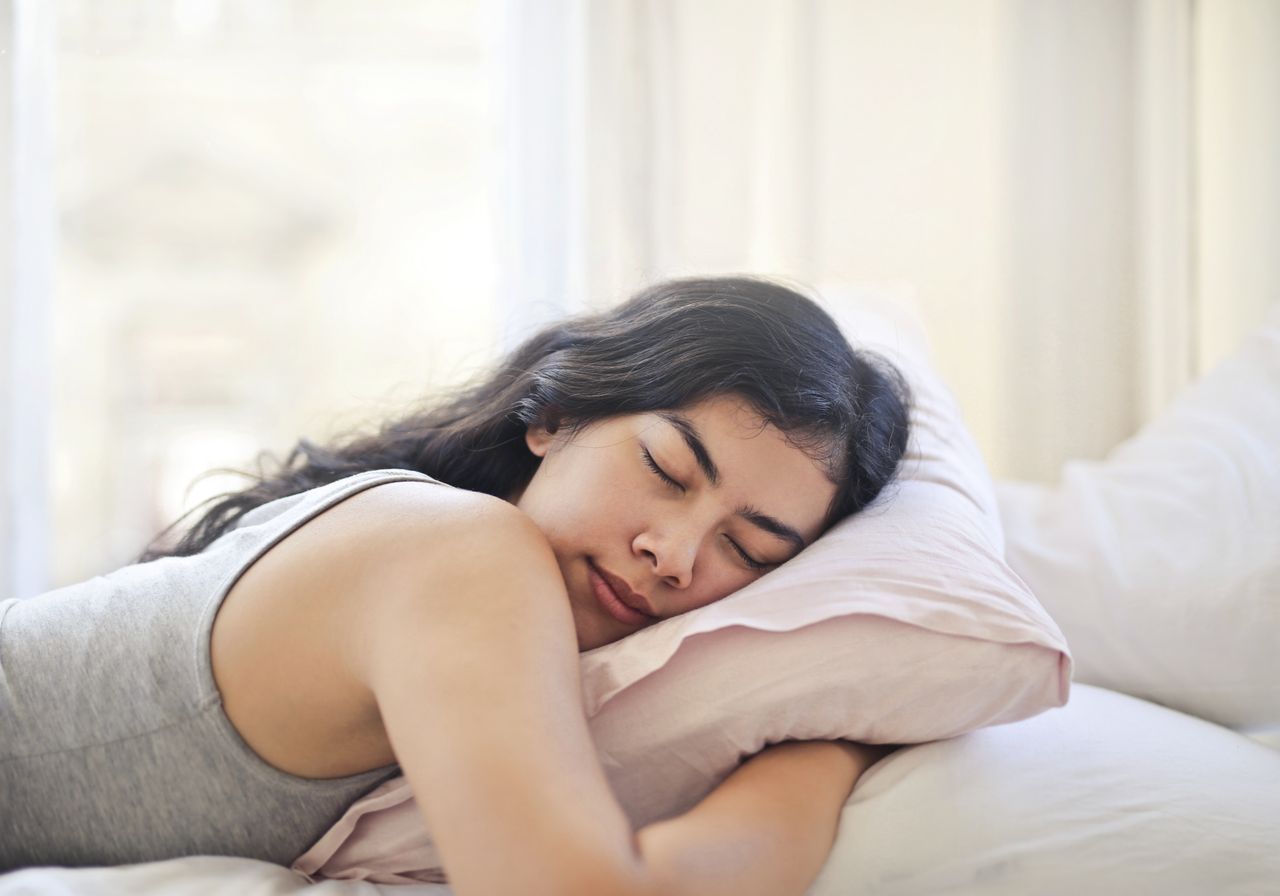
A person resting peacefully in bed, highlighting healthy sleep posture and spinal alignment.

The Prone Dilemma: Biomechanical Stress, Airway Dynamics, and the Hidden Cost of Sleeping on Your Stomach

Posted on September 25, 2026September 25, 2026 By Nick Campbell No Comments on The Prone Dilemma: Biomechanical Stress, Airway Dynamics, and the Hidden Cost of Sleeping on Your Stomach
Daily Living
Nick Campbell
Nick Campbell
Health & Wellness Writer

Sleep positions are rarely a conscious, calculated decision. Most people drift into whichever posture feels instinctively comforting, warm, and secure. For a noticeable percentage of the population, that posture is prone sleeping—lying face down with arms tucked around or beneath a pillow.

While sleeping on your stomach often feels soothing in the moment, modern orthopedic medicine and somnology (sleep science) view this posture as a double-edged sword.

Your nervous system prioritizes immediate perceived comfort when falling asleep, but comfort does not always equal biomechanical support. Sustaining a prone posture for seven to eight hours places distinct mechanical stresses on cervical vertebrae, lumbar lordosis, and peripheral nerves.

Understanding the anatomical mechanics of stomach sleeping—what it does to your spine, how it alters respiratory mechanics, and when it needs modification—empowers you to protect musculoskeletal alignment without compromising restorative sleep.

The Biomechanical Cascade: What Happens in the Prone Position

When lying prone, the body must adapt to a flat surface in ways that distort the natural, neutral alignment of the spine.

1. Sustained Cervical Rotation and Muscle Strain

Because humans cannot breathe directly into a mattress, stomach sleeping mandates turning the head sharply to one side—often approaching a sustained 80-to-90-degree angle of cervical rotation.

  • The Plastic Ruler Analogy: Bending or rotating your neck for 30 seconds causes no lasting strain. However, holding that joint at end-range rotation for 6 to 8 continuous hours keeps deep cervical rotators, upper trapezius, and levator scapulae muscles contracted under tension all night.
  • Morning Stiff Neck: This prolonged end-range strain leads directly to the dull, aching cervical stiffness and facet joint irritation many stomach sleepers experience upon waking.

2. Hyperlordosis of the Lumbar Spine

The center of mass in the human body resides around the pelvis and abdomen. On a standard or softer mattress, the abdominal torso sinks deeper into the bed while the hips and ribcage remain relatively elevated. This creates an exaggerated downward curve in the lower back (lumbar hyperlordosis), compressing posterior vertebral structures, facet joints, and the lumbosacral junction over time.

3. Peripheral Nerve Compression and Paresthesia

Many stomach sleepers tuck one or both arms beneath their chest, torso, or head. This position places prolonged direct pressure on the brachial plexus and peripheral nerves (such as the radial and ulnar nerves), leading to transient ischemic paresthesia—the familiar sensation of waking up with “pins and needles,” tingling fingers, or dead numbness in the arm.

The Surprising Exception: Prone Sleeping and Airway Patency

Despite the orthopedic strain, stomach sleeping persists because it offers one notable physiological benefit: airway stabilization.

In individuals who struggle with positional snoring, sleeping on the back (supine) allows gravity to pull the soft palate and the base of the tongue backward toward the pharyngeal wall, narrowing or partially obstructing the upper airway.

In the prone position, gravity works in reverse:

  • The tongue and soft tissues are drawn forward, keeping the hypopharynx clearer.
  • For certain mild positional snorers, this translates to quieter breathing and fewer micro-arousals during the night.

However, this benefit represents a clear trade-off: improved upper airway patency at the expense of continuous spinal and muscular torque.

Dispelling Myths: The Heart, Lungs, and Digestion

Stomach sleeping is often surrounded by alarming medical myths. It is essential to separate anatomical facts from common misconceptions:

  • Myth 1: “It crushes your internal organs.” The heart and lungs are encased and structurally safeguarded by the bony thorax—the sternum and rib cage. Prone sleeping does not crush or damage internal organs. However, pressing the anterior chest directly into a firm mattress can increase the muscular effort required for diaphragmatic expansion, making deep breathing feel slightly more restricted.
  • Myth 2: “It ruins digestion and causes ulcers.” For healthy individuals, sleeping face down does not impair nutrient breakdown or damage the stomach lining. That said, those with active gastroesophageal reflux disease (GERD) may experience increased intra-abdominal pressure, which can provoke acid backflow if a heavy meal was eaten close to bedtime.

Who Needs to Modify Their Sleeping Position?

Sleep posture is deeply individual. If you have slept on your stomach for years, wake up completely pain-free, and feel thoroughly refreshed, there is no urgent medical reason to panic.

However, modification becomes clinically necessary for specific populations:

Demographics / ConditionsClinical Risk of Prone SleepingRecommended Modification
Individuals with Chronic Neck or Lower Back PainExacerbates cervical facet arthropathy and lumbar facet joint loading.Transition toward side or supine sleeping with ergonomic support.
Pregnancy (Second & Third Trimesters)Places direct physical pressure on the expanding uterus and compresses the inferior vena cava.Strict left lateral (side) sleeping to optimize maternal-fetal hemodynamics.
Individuals with Frequent Arm/Hand NumbnessChronic compression of the brachial plexus and peripheral nerve pathways.Lateral sleeping with arms resting freely alongside a body pillow.

3 Practical Adjustments for Dedicated Stomach Sleepers

If transitioning fully to your back or side feels impossible, you can apply targeted ergonomic interventions to substantially lower mechanical strain:

  1. Use an Ultra-Thin or “Pancake” Pillow: A thick pillow excessively hyperextends and twists the cervical spine. Swapping to an ultra-thin, low-profile pillow—or removing the head pillow entirely—keeps the neck in closer alignment with the thoracic spine.
  2. Place a Pelvic Support Pillow: Positioning a flat, thin pillow beneath your pelvis and lower abdomen prevents the pelvis from sinking too deeply into the mattress, stabilizing the lumbar spine and preventing hyperlordosis.
  3. The Semi-Prone Body Pillow Bridge: If you want to break the habit of full stomach sleeping, hug a long cylindrical body pillow along your chest and between your knees. This simulates the sensation of front-body contact and security while keeping your spine locked in a neutral, healthy lateral (side) alignment.

Restorative sleep requires balancing neurological comfort with anatomical preservation. By understanding the mechanical forces at play, you can fine-tune your nightly environment to wake up fully rested, pain-free, and structurally supported.

🩺 Editorial Note & Medical Disclaimer

The information provided on healandnourish.com is intended for educational and informational purposes only and should not be construed as professional medical, orthopedic, or physical therapy advice. If you suffer from chronic spinal pain, radiculopathy, or suspected sleep apnea, consult a qualified physician or physical therapist for comprehensive evaluation and targeted treatment.

References & Clinical Resources

  • Sleep Foundation: Review somnology guidelines regarding sleep postures, spinal alignment, and sleep apnea considerations via the Sleep Foundation Health Database.
  • Mayo Clinic Proceedings: Access clinical breakdowns evaluating posture-related musculoskeletal strain, cervical spondylosis, and sleep ergonomics at the Mayo Clinic Patient Care Portal.
  • Spine Health / Veritas Health: Read peer-reviewed physical therapy insights covering lumbar lordosis, facet joint stress, and pelvic pillow placement in the Spine Health Educational Archive.
  • National Institutes of Health (NIH) / PubMed Central: Explore biomechanical analyses examining cervical rotation angles and muscle activation during sleep via the PMC Biomechanics Portal.

Post navigation

❮ Previous Post: The Stomach Acid Myth: Does Drinking Water After Meals Actually Harm Digestion?
Next Post: High Blood Pressure Symptoms: Why the Silent Killer Can Go Unnoticed ❯

You may also like

Body & Nutrition
Can Egg Yolk Help Hair Growth? What the Science Really Says
October 7, 2026
Person struggling with chronic insomnia while looking at the clock at night
Daily Living
Beyond Melatonin: What Really Helps With Chronic Insomnia?
October 7, 2026
Daily Living
The Invisible Geyser: What Really Happens Every Time You Flush
August 16, 2026
A balanced meal on a table next to a glass of water, showing healthy mealtime hydration.
Daily Living
The Stomach Acid Myth: Does Drinking Water After Meals Actually Harm Digestion?
September 24, 2026

Leave a Reply Cancel reply

Your email address will not be published. Required fields are marked *

Healthy Tip of the Day
Give Your Eyes a Screen Break
Staring at screens for long periods can contribute to eye strain and dryness. Taking regular breaks gives your eyes a chance to relax and reminds you to blink more often.
Simple goal: Try the 20-20-20 rule: every 20 minutes, look at something about 20 feet away for at least 20 seconds.
  • Body & Nutrition (12)
  • Daily Living (23)
  • Mind & Mood (9)
✉

Get The Healthy Brief

Clear health news, wellness insights, and practical tips delivered to your inbox.

Free to join. Unsubscribe anytime.

  • Close-up of a person with mild eye redness beside a bottle of eye drops, illustrating temporary eye redness relief.
    FDA Approves Brytly Eye Drops for Redness Relief: What to Know
    by Nick Campbell
    October 17, 2026
  • A person enjoying a healthy morning routine with a glass of water, fresh fruit, and a journal in natural daylight.
    10 Daily Healthy Habits for Better Health, More Energy, and Less Stress
    by Nick Campbell
    October 13, 2026
  • Fresh whole foods, fruits, vegetables, whole grains, and protein sources representing modern nutrition guidelines.
    Rethinking the Plate What the Latest National Dietary Guidelines Mean for Your Health
    by Nick Campbell
    October 12, 2026
  • Cup of morning coffee beside a sunlit window, illustrating caffeine timing and daytime energy.
    Is Your Morning Coffee Making You Tired Later? The Truth About Adenosine and Caffeine
    by Nick Campbell
    October 11, 2026
  • Person struggling with chronic insomnia while looking at the clock at night
    Beyond Melatonin: What Really Helps With Chronic Insomnia?
    by Noah Colasanto
    October 7, 2026
  • Can Egg Yolk Help Hair Growth? What the Science Really Says
    by Nick Campbell
    October 7, 2026
  • Person practicing 10 minutes of mindfulness meditation in a quiet room
    The Neuroscience of Stillness: How 10 Minutes of Meditation May Support a Healthier Brain
    by Nick Campbell
    October 5, 2026
  • A person resting peacefully in a dim bedroom, depicting healthy evening sleep hygiene and digestion.
    The Postprandial Recumbency Trap: Why Sleeping Right After Eating Sabotages Digestion, Heartburn Defense, and Deep Sleep
    by Agustin Cappuccino
    October 3, 2026
  • Abstract scientific representation of human biology and neuroanatomy exploring unsolved physiological mysteries.
    The Biological Paradox: 5 Unsolved Mysteries of Human Physiology That Modern Medicine Still Cannot Fully Explain
    by Noah Colasanto
    October 2, 2026
  • A cluster of fresh bananas showing stages of ripeness on a wooden countertop next to healthy whole foods.
    The 45-Day Banana Protocol: Metabolic, Renal, and Gut Microbiome Shifts from Daily Musa Ingestion
    by Nick Campbell
    October 1, 2026
  • An active adult running comfortably outdoors, representing natural knee preservation and athletic joint mobility.
    The 80% Rule: Why Most People Told They Need a Total Knee Replacement Actually Don’t
    by Nick Campbell
    September 30, 2026
  • A nutrient-dense balanced breakfast featuring poached eggs, avocado, and berries on a sunlit table.
    The Fasting Fallacy: Why Skipping Breakfast Triggers Cortisol Elevation, Muscle Catabolism, and Rebound Overeating
    by Noah Colasanto
    September 29, 2026
  • Introducing soft ambient bias lighting prevents extreme pupillary contrast stress and eases nighttime digital eye strain.
    The Bedtime Glow: Does Scrolling on Your Phone in the Dark Cause Permanent Eye Damage?
    by Noah Colasanto
    September 28, 2026
  • Glass meal prep containers filled with rice, chicken, and vegetables, showing safe leftover food storage.
    The Leftover Paradox: Is Reheating Food Actually Dangerous, or Are We Misunderstanding Food Microbiology?
    by Agustin Cappuccino
    September 27, 2026
  • An adult calmly measuring their blood pressure with a digital upper-arm monitor at home.
    High Blood Pressure Symptoms: Why the Silent Killer Can Go Unnoticed
    by Noah Colasanto
    September 26, 2026
  • A person resting peacefully in bed, highlighting healthy sleep posture and spinal alignment.
    The Prone Dilemma: Biomechanical Stress, Airway Dynamics, and the Hidden Cost of Sleeping on Your Stomach
    by Nick Campbell
    September 25, 2026
  • A balanced meal on a table next to a glass of water, showing healthy mealtime hydration.
    The Stomach Acid Myth: Does Drinking Water After Meals Actually Harm Digestion?
    by Agustin Cappuccino
    September 24, 2026
  • Takishima Mika demonstrating an active lifestyle and healthy aging in her 90s
    What a 90+ Fitness Instructor Can Teach Us About Healthy Aging
    by Noah Colasanto
    September 23, 2026
  • Older adult speaking with a psychiatrist during a discussion about emerging treatments for generalized anxiety disorder
    The Long Winter of Anxiety: Could One Experimental Treatment Change Psychiatry?
    by Nick Campbell
    September 20, 2026
  • Person walking in nature to lower stress and rebalance cortisol levels.
    The Biological Architecture of Burnout
    by Noah Colasanto
    September 11, 2026
  • Person with closed eyes practicing deep breathing for autonomic calm.
    The Breath: The Direct Bridge to Autonomic Control
    by Agustin Cappuccino
    August 31, 2026
  • The Invisible Geyser: What Really Happens Every Time You Flush
    by Nick Campbell
    August 16, 2026
  • Balanced meal featuring fiber, clean protein, and healthy fats on a dinner plate.
    The Glucose Rollercoaster: The Hidden Culprit Behind the 3 PM Slump
    by Nick Campbell
    August 11, 2026
  • Assorted fermented probiotic foods and high-fiber ingredients that support microbiome diversity.
    The “Second Brain” in Your Abdomen
    by Nick Campbell
    August 11, 2026
  • Selection of packaged ultra-processed foods displaying colorful snack wrappers and processed grocery items
    Beyond the Label The Hidden Cost of Ultra-Processed Foods
    by Noah Colasanto
    August 5, 2026
  • Scientific illustration showing experimental biomimetic enamel regeneration on a damaged human tooth
    The Living Armor: Could Scientists Finally Teach Damaged Teeth to Repair Themselves?
    by Nick Campbell
    July 19, 2026
  • Individual walking outdoors casually incorporating more movement into daily life.
    The “Active Couch Potato” Paradox
    by Nick Campbell
    July 11, 2026
  • Glass of fresh water with citrus and mineral electrolyte balance.
    The Dehydration Irony: Drinking Gallons and Staying Thirsty
    by Nick Campbell
    July 11, 2026
  • Turned-over smartphone next to a journal showing digital boundary setting.
    The Cognitive Crisis: Continuous Partial Attention
    by Agustin Cappuccino
    July 4, 2026
  • Ergonomic desk setup with monitor at eye level and supportive office chair.
    The Remote Work Trap: How Subtle Biomechanical Strain Accumulates
    by Nick Campbell
    June 11, 2026
  • Person standing in golden morning sunlight outdoors to reset circadian rhythm.
    The Biological Power of Morning Light: Resetting Your Energy and Sleep
    by Agustin Cappuccino
    June 8, 2026
  • Person walking in nature to lower stress and rebalance cortisol levels.
    The Modern Evening Crisis: Why Your Brain Refuses to Sleep
    by Noah Colasanto
    June 1, 2026
  • Terms of Use
  • Subscribe
  • Privacy Policy
  • Medical Disclaimer
  • Editorial Guidelines
  • Comment Policy
  • Affiliate Disclosure
  • About Us
  • Disclaimer

Copyright © 2026 The Healthy Brief.

Theme: Oceanly Green by ScriptsTown