Skip to content
The Healthy Brief
  • Daily Living
  • Mind & Mood
  • Body & Nutrition
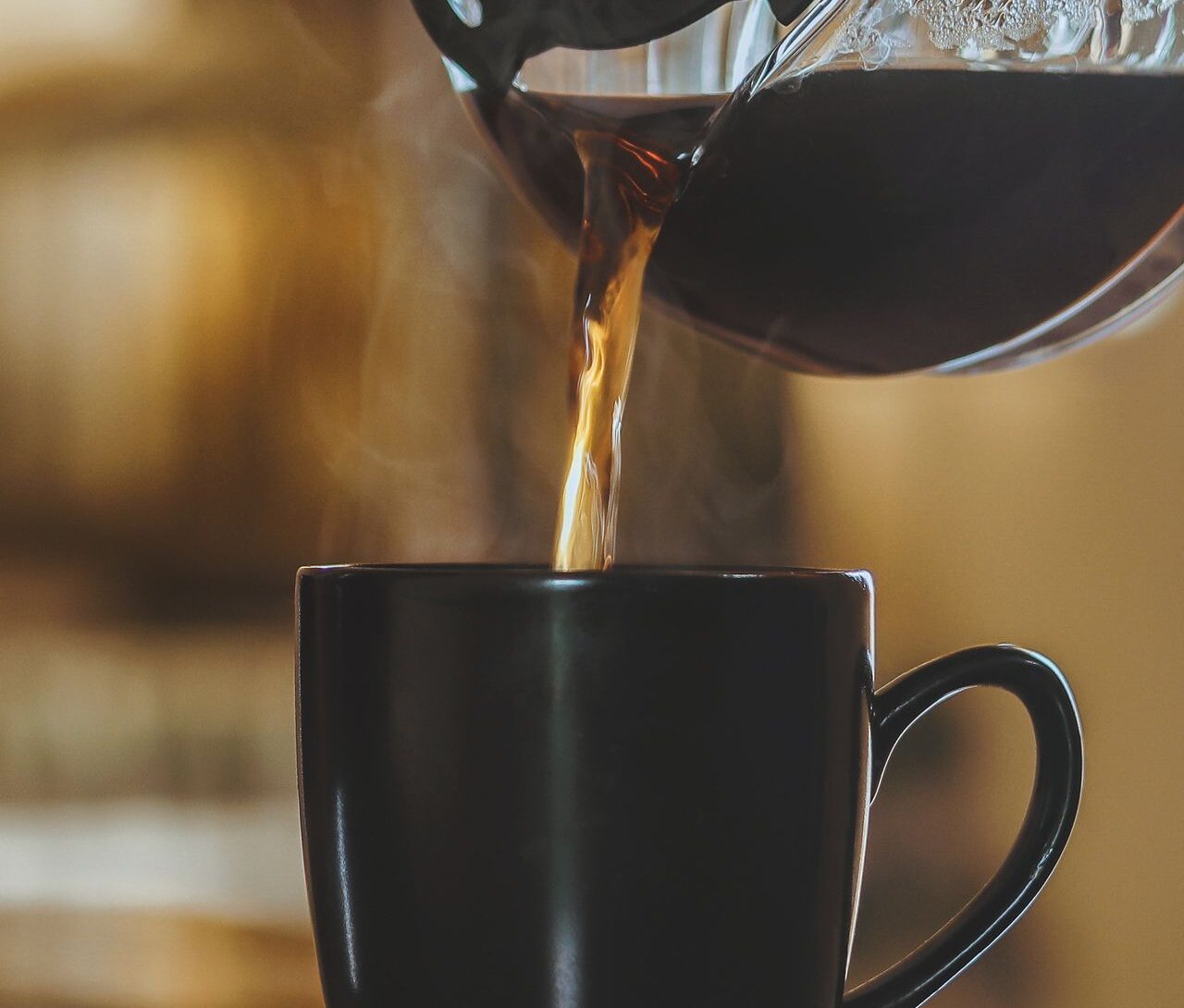
Cup of morning coffee beside a sunlit window, illustrating caffeine timing and daytime energy.

Is Your Morning Coffee Making You Tired Later? The Truth About Adenosine and Caffeine

Posted on October 11, 2026October 11, 2026 By Nick Campbell No Comments on Is Your Morning Coffee Making You Tired Later? The Truth About Adenosine and Caffeine
Daily Living, Mind & Mood
Nick Campbell
Nick Campbell
Health & Wellness Writer

If your day begins with a cup of coffee but ends with an afternoon energy slump, you may have wondered whether your morning caffeine habit is part of the problem.

A popular wellness theory called the “90-minute coffee rule” suggests waiting an hour or more after waking before drinking caffeine. Supporters claim this gives your brain time to clear adenosine, a chemical involved in sleepiness, and may help prevent an afternoon crash.

But does the science support this advice?

The answer is more nuanced than social media suggests. Caffeine does block adenosine receptors and can temporarily reduce feelings of sleepiness. However, there is no strong evidence that drinking coffee immediately after waking causes an inevitable afternoon crash because adenosine suddenly floods the brain when caffeine wears off.

If you regularly feel tired in the afternoon, your sleep quality, caffeine intake, daily routine, and natural body clock may offer better clues.

What Is Adenosine, and Why Does It Make You Sleepy?

Adenosine is a naturally occurring chemical that helps regulate the body’s sleep-wake cycle. As you remain awake, adenosine activity increases, contributing to the growing pressure to sleep.

During sleep, this sleep pressure decreases, helping you feel more refreshed when you wake up.

Caffeine works by blocking adenosine receptors in the brain. This makes it harder for adenosine to produce its usual sleep-promoting effects, helping you feel more alert.

However, caffeine does not replace sleep or eliminate the underlying need for rest. It temporarily changes how your brain responds to signals associated with tiredness.

You can learn more about this process in the Sleep Foundation’s guide to adenosine and sleep.

Does Drinking Coffee Immediately After Waking Cause an Afternoon Crash?

The claim that early-morning coffee causes an inevitable 3 p.m. energy crash is not well established by scientific research.

The theory suggests that caffeine blocks adenosine receptors while adenosine continues to accumulate. When caffeine’s effects fade, the accumulated sleepiness supposedly returns all at once.

Although caffeine can temporarily mask tiredness, researchers have questioned whether delaying coffee by 60 to 90 minutes meaningfully prevents afternoon fatigue. There is insufficient evidence to support the idea that this specific timing strategy reliably prevents an afternoon crash.

That does not mean caffeine timing is irrelevant. Caffeine affects people differently, and its effects can last for several hours. The amount you drink, your usual caffeine habits, your sensitivity to stimulants, and your sleep schedule can all influence how you feel throughout the day.

For some people, adjusting their coffee routine may be helpful. For others, getting more consistent sleep or reducing excessive caffeine intake may make a bigger difference.

Should You Wait 90 Minutes Before Your First Cup of Coffee?

You can try delaying your first cup if you find that it suits your routine, but consider it a personal experiment rather than a proven biological reset.

Here are three practical morning habits worth considering.

1. Experiment With Your Coffee Timing

If you normally drink coffee as soon as you wake up, try waiting 30 to 60 minutes for a week and see how you feel. You could also compare that experience with your usual routine.

Pay attention to your morning alertness, afternoon energy, and ability to fall asleep at night.

There is no universally established 90-minute rule. If you feel alert and sleep well when you drink coffee soon after waking, there is no strong evidence that you must delay it.

If caffeine makes you jittery, anxious, or uncomfortable on an empty stomach, having it later or alongside breakfast may be worth trying.

2. Get Natural Outdoor Light in the Morning

Morning light is one of the more useful habits for supporting your body’s internal clock.

Exposure to natural daylight helps regulate circadian rhythms, which influence sleep timing and daytime alertness. Going outdoors after waking can be a simple way to establish a more consistent morning routine.

Start with a short outdoor walk or spend some time outside while having breakfast. The amount of light needed varies with the weather, season, location, and individual circumstances, so five to ten minutes should not be treated as a guaranteed dose.

Avoid staring directly at the sun. Ordinary outdoor daylight is enough for this purpose, and you do not need to look toward the sun to benefit.

For more information, see the NIH’s guidance on healthy sleep.

3. Drink Water Before or Alongside Coffee

After several hours of sleep without drinking, having a glass of water can be a sensible way to start the day.

You do not need to add salt to your water for routine morning hydration. Most people obtain sufficient sodium through their normal diet, and extra salt is generally unnecessary unless there is a specific reason to replace lost electrolytes.

People who have been sweating heavily or experiencing significant fluid loss may have different hydration needs. In those circumstances, appropriate electrolyte replacement may be useful.

For everyday morning hydration, plain water is a reasonable choice. Drink according to your thirst and individual needs rather than following a rigid volume target.

Four Common Reasons You May Feel Tired in the Afternoon

If your energy consistently drops later in the day, changing your coffee timing may not be enough. Consider these other possibilities.

Insufficient or disrupted sleep: Regularly sleeping too little, waking frequently, or having an inconsistent sleep schedule can leave you tired during the day.

Too much caffeine: Larger amounts may cause restlessness, anxiety, or sleep disruption. Even if you drink coffee in the morning, excessive caffeine can contribute to a cycle of poor sleep and daytime fatigue.

A natural afternoon dip: Alertness naturally fluctuates throughout the day. Feeling somewhat less energetic in the afternoon does not necessarily mean something is wrong.

Meal timing and daily habits: A large meal, prolonged sitting, limited physical activity, or an irregular daily schedule may influence how energetic you feel. Taking a short walk, eating balanced meals, and maintaining regular sleep times may help.

If fatigue is persistent, severe, unexplained, or accompanied by other symptoms, consider speaking with a healthcare professional rather than assuming coffee is the cause.

How Much Caffeine Is Too Much?

Caffeine tolerance varies from person to person. A commonly cited guideline from the U.S. Food and Drug Administration is that up to 400 milligrams of caffeine per day is not generally associated with dangerous negative effects for most healthy adults. That is a general reference point, not a target everyone should aim to reach.

The caffeine content of coffee varies substantially with serving size, preparation method, and strength. Tea, energy drinks, chocolate, and some medications can also contribute to your total intake.

People who are sensitive to caffeine may experience sleep problems, a racing heartbeat, anxiety, or digestive discomfort at lower amounts. Pregnant individuals and people with certain health conditions may need different limits.

Timing matters, too. Caffeine can interfere with sleep even when consumed hours before bedtime. If you struggle to fall asleep or wake feeling unrefreshed, consider reducing your intake and avoiding caffeine later in the day.

The Sleep Foundation’s guide to caffeine and sleep explains how caffeine can affect sleep duration and quality.

A Simple Morning Routine for More Consistent Energy

Rather than relying on a strict caffeine countdown, focus on habits you can maintain:

  • After waking: Open the curtains and get some natural daylight.
  • During the morning: Drink water and eat breakfast if it suits your needs.
  • When you want coffee: Have a moderate amount at a time that works for your body and schedule.
  • Throughout the day: Take movement breaks, eat balanced meals, and avoid relying on repeated caffeine doses to overcome inadequate sleep.
  • In the evening: Reduce late-day caffeine if it affects your ability to fall asleep.

You can experiment with delaying coffee, but track how you actually feel instead of assuming the 90-minute rule will work.

The Bottom Line

Morning coffee is not automatically responsible for an afternoon energy crash. Caffeine blocks adenosine receptors and can help you feel more awake, but the claim that drinking it immediately after waking causes a sudden buildup of sleepiness later in the day remains unproven.

If you want more consistent energy, start with the basics: get enough sleep, expose yourself to natural morning light, stay hydrated, and pay attention to how much caffeine you consume and when you drink it.

You do not have to give up your morning coffee—or wait exactly 90 minutes—to build a healthier routine. The best approach is one that supports your sleep, fits your daily schedule, and leaves you feeling better over time.


Post navigation

❮ Previous Post: Beyond Melatonin: What Really Helps With Chronic Insomnia?
Next Post: Rethinking the Plate What the Latest National Dietary Guidelines Mean for Your Health ❯

You may also like

Older adult speaking with a psychiatrist during a discussion about emerging treatments for generalized anxiety disorder
Daily Living
The Long Winter of Anxiety: Could One Experimental Treatment Change Psychiatry?
September 20, 2026
Ergonomic desk setup with monitor at eye level and supportive office chair.
Daily Living
The Remote Work Trap: How Subtle Biomechanical Strain Accumulates
June 11, 2026
An active adult running comfortably outdoors, representing natural knee preservation and athletic joint mobility.
Daily Living
The 80% Rule: Why Most People Told They Need a Total Knee Replacement Actually Don’t
September 30, 2026
Body & Nutrition
Can Egg Yolk Help Hair Growth? What the Science Really Says
October 7, 2026

Leave a Reply Cancel reply

Your email address will not be published. Required fields are marked *

Healthy Tip of the Day
Give Your Eyes a Screen Break
Staring at screens for long periods can contribute to eye strain and dryness. Taking regular breaks gives your eyes a chance to relax and reminds you to blink more often.
Simple goal: Try the 20-20-20 rule: every 20 minutes, look at something about 20 feet away for at least 20 seconds.
  • Body & Nutrition (12)
  • Daily Living (23)
  • Mind & Mood (9)
✉

Get The Healthy Brief

Clear health news, wellness insights, and practical tips delivered to your inbox.

Free to join. Unsubscribe anytime.

  • Close-up of a person with mild eye redness beside a bottle of eye drops, illustrating temporary eye redness relief.
    FDA Approves Brytly Eye Drops for Redness Relief: What to Know
    by Nick Campbell
    October 17, 2026
  • A person enjoying a healthy morning routine with a glass of water, fresh fruit, and a journal in natural daylight.
    10 Daily Healthy Habits for Better Health, More Energy, and Less Stress
    by Nick Campbell
    October 13, 2026
  • Fresh whole foods, fruits, vegetables, whole grains, and protein sources representing modern nutrition guidelines.
    Rethinking the Plate What the Latest National Dietary Guidelines Mean for Your Health
    by Nick Campbell
    October 12, 2026
  • Cup of morning coffee beside a sunlit window, illustrating caffeine timing and daytime energy.
    Is Your Morning Coffee Making You Tired Later? The Truth About Adenosine and Caffeine
    by Nick Campbell
    October 11, 2026
  • Person struggling with chronic insomnia while looking at the clock at night
    Beyond Melatonin: What Really Helps With Chronic Insomnia?
    by Noah Colasanto
    October 7, 2026
  • Can Egg Yolk Help Hair Growth? What the Science Really Says
    by Nick Campbell
    October 7, 2026
  • Person practicing 10 minutes of mindfulness meditation in a quiet room
    The Neuroscience of Stillness: How 10 Minutes of Meditation May Support a Healthier Brain
    by Nick Campbell
    October 5, 2026
  • A person resting peacefully in a dim bedroom, depicting healthy evening sleep hygiene and digestion.
    The Postprandial Recumbency Trap: Why Sleeping Right After Eating Sabotages Digestion, Heartburn Defense, and Deep Sleep
    by Agustin Cappuccino
    October 3, 2026
  • Abstract scientific representation of human biology and neuroanatomy exploring unsolved physiological mysteries.
    The Biological Paradox: 5 Unsolved Mysteries of Human Physiology That Modern Medicine Still Cannot Fully Explain
    by Noah Colasanto
    October 2, 2026
  • A cluster of fresh bananas showing stages of ripeness on a wooden countertop next to healthy whole foods.
    The 45-Day Banana Protocol: Metabolic, Renal, and Gut Microbiome Shifts from Daily Musa Ingestion
    by Nick Campbell
    October 1, 2026
  • An active adult running comfortably outdoors, representing natural knee preservation and athletic joint mobility.
    The 80% Rule: Why Most People Told They Need a Total Knee Replacement Actually Don’t
    by Nick Campbell
    September 30, 2026
  • A nutrient-dense balanced breakfast featuring poached eggs, avocado, and berries on a sunlit table.
    The Fasting Fallacy: Why Skipping Breakfast Triggers Cortisol Elevation, Muscle Catabolism, and Rebound Overeating
    by Noah Colasanto
    September 29, 2026
  • Introducing soft ambient bias lighting prevents extreme pupillary contrast stress and eases nighttime digital eye strain.
    The Bedtime Glow: Does Scrolling on Your Phone in the Dark Cause Permanent Eye Damage?
    by Noah Colasanto
    September 28, 2026
  • Glass meal prep containers filled with rice, chicken, and vegetables, showing safe leftover food storage.
    The Leftover Paradox: Is Reheating Food Actually Dangerous, or Are We Misunderstanding Food Microbiology?
    by Agustin Cappuccino
    September 27, 2026
  • An adult calmly measuring their blood pressure with a digital upper-arm monitor at home.
    High Blood Pressure Symptoms: Why the Silent Killer Can Go Unnoticed
    by Noah Colasanto
    September 26, 2026
  • A person resting peacefully in bed, highlighting healthy sleep posture and spinal alignment.
    The Prone Dilemma: Biomechanical Stress, Airway Dynamics, and the Hidden Cost of Sleeping on Your Stomach
    by Nick Campbell
    September 25, 2026
  • A balanced meal on a table next to a glass of water, showing healthy mealtime hydration.
    The Stomach Acid Myth: Does Drinking Water After Meals Actually Harm Digestion?
    by Agustin Cappuccino
    September 24, 2026
  • Takishima Mika demonstrating an active lifestyle and healthy aging in her 90s
    What a 90+ Fitness Instructor Can Teach Us About Healthy Aging
    by Noah Colasanto
    September 23, 2026
  • Older adult speaking with a psychiatrist during a discussion about emerging treatments for generalized anxiety disorder
    The Long Winter of Anxiety: Could One Experimental Treatment Change Psychiatry?
    by Nick Campbell
    September 20, 2026
  • Person walking in nature to lower stress and rebalance cortisol levels.
    The Biological Architecture of Burnout
    by Noah Colasanto
    September 11, 2026
  • Person with closed eyes practicing deep breathing for autonomic calm.
    The Breath: The Direct Bridge to Autonomic Control
    by Agustin Cappuccino
    August 31, 2026
  • The Invisible Geyser: What Really Happens Every Time You Flush
    by Nick Campbell
    August 16, 2026
  • Balanced meal featuring fiber, clean protein, and healthy fats on a dinner plate.
    The Glucose Rollercoaster: The Hidden Culprit Behind the 3 PM Slump
    by Nick Campbell
    August 11, 2026
  • Assorted fermented probiotic foods and high-fiber ingredients that support microbiome diversity.
    The “Second Brain” in Your Abdomen
    by Nick Campbell
    August 11, 2026
  • Selection of packaged ultra-processed foods displaying colorful snack wrappers and processed grocery items
    Beyond the Label The Hidden Cost of Ultra-Processed Foods
    by Noah Colasanto
    August 5, 2026
  • Scientific illustration showing experimental biomimetic enamel regeneration on a damaged human tooth
    The Living Armor: Could Scientists Finally Teach Damaged Teeth to Repair Themselves?
    by Nick Campbell
    July 19, 2026
  • Individual walking outdoors casually incorporating more movement into daily life.
    The “Active Couch Potato” Paradox
    by Nick Campbell
    July 11, 2026
  • Glass of fresh water with citrus and mineral electrolyte balance.
    The Dehydration Irony: Drinking Gallons and Staying Thirsty
    by Nick Campbell
    July 11, 2026
  • Turned-over smartphone next to a journal showing digital boundary setting.
    The Cognitive Crisis: Continuous Partial Attention
    by Agustin Cappuccino
    July 4, 2026
  • Ergonomic desk setup with monitor at eye level and supportive office chair.
    The Remote Work Trap: How Subtle Biomechanical Strain Accumulates
    by Nick Campbell
    June 11, 2026
  • Person standing in golden morning sunlight outdoors to reset circadian rhythm.
    The Biological Power of Morning Light: Resetting Your Energy and Sleep
    by Agustin Cappuccino
    June 8, 2026
  • Person walking in nature to lower stress and rebalance cortisol levels.
    The Modern Evening Crisis: Why Your Brain Refuses to Sleep
    by Noah Colasanto
    June 1, 2026
  • Terms of Use
  • Subscribe
  • Privacy Policy
  • Medical Disclaimer
  • Editorial Guidelines
  • Comment Policy
  • Affiliate Disclosure
  • About Us
  • Disclaimer

Copyright © 2026 The Healthy Brief.

Theme: Oceanly Green by ScriptsTown