Skip to content
The Healthy Brief
  • Daily Living
  • Mind & Mood
  • Body & Nutrition
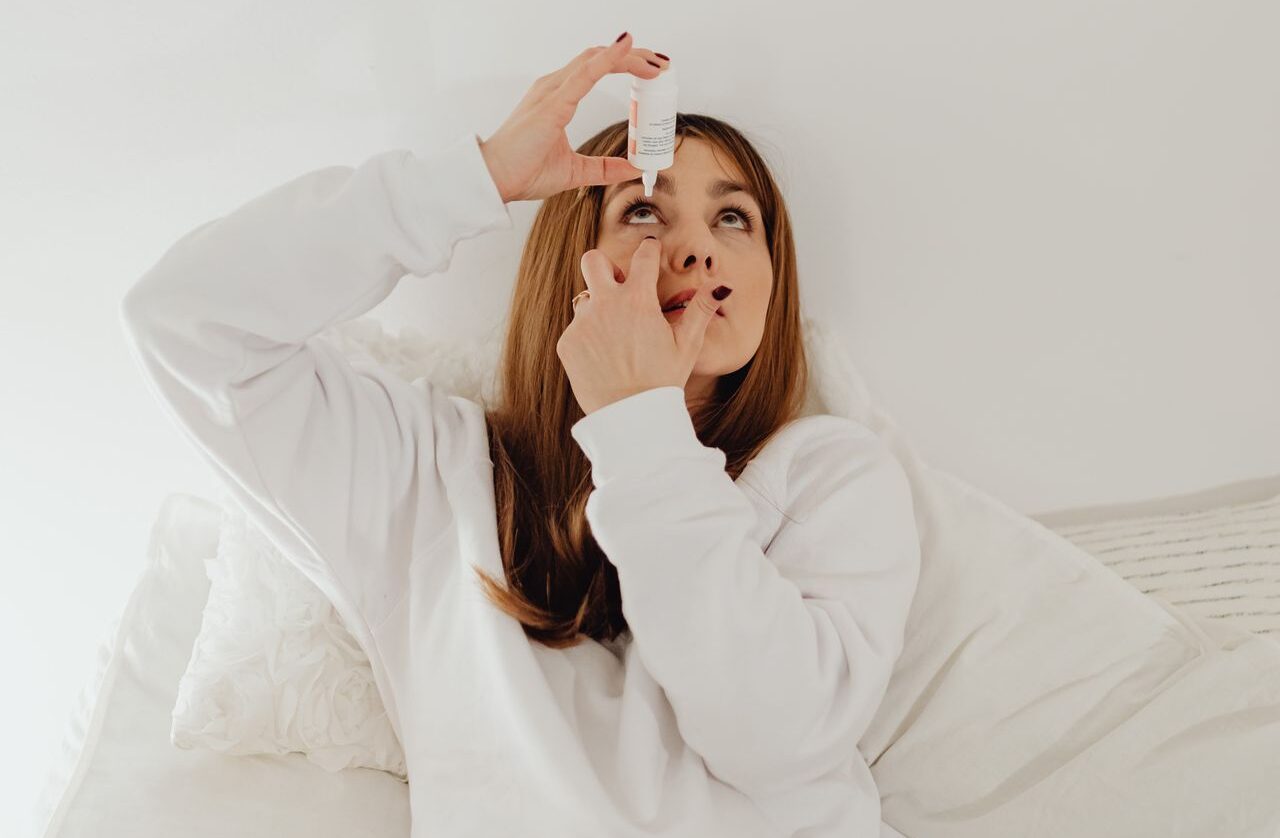
Close-up of a person with mild eye redness beside a bottle of eye drops, illustrating temporary eye redness relief.

FDA Approves Brytly Eye Drops for Redness Relief: What to Know

Posted on October 17, 2026October 17, 2026 By Nick Campbell No Comments on FDA Approves Brytly Eye Drops for Redness Relief: What to Know
Daily Living
Nick Campbell
Nick Campbell
Health & Wellness Writer

Eye redness is common and can develop after exposure to dust, dry air, environmental irritants, or other factors that affect the eye’s surface. Although redness-relieving eye drops have been available for years, a newly approved nonprescription treatment offers consumers another option.

On October 16, 2026, the U.S. Food and Drug Administration (FDA) approved Brytly (apraclonidine ophthalmic solution 0.125%), developed by Alcon, for temporary relief of eye redness caused by minor irritations. It is the first nonprescription eye drop containing apraclonidine, according to the FDA. The product is approved for adults and children aged 12 and older, with use limited to no more than twice daily. Read the FDA announcement.

The approval expands the range of products available for managing minor eye redness. However, understanding how these drops work, how they differ from other redness relievers, and when redness requires medical attention is essential for safe use.

What Is Brytly, and How Does It Work?

Brytly contains apraclonidine, an ingredient previously available in higher-strength prescription eye drops used to help lower intraocular pressure in certain eye conditions and following some laser procedures.

The newly approved 0.125% formulation has a different purpose: temporary relief of redness associated with minor eye irritation.

Eye redness generally occurs when blood vessels on the surface of the eye become enlarged or more visible. This can happen for several reasons, including environmental irritation and dryness. Redness-relieving drops work by constricting certain blood vessels, making the eyes appear less red.

The specific effects, precautions, and recommended frequency depend on the formulation. Consumers should follow Brytly’s approved Drug Facts label rather than assume that instructions for other eye drops apply to it.

How Does Brytly Compare With Older Redness-Relief Drops?

Traditional over-the-counter eye redness relievers may contain ingredients such as tetrahydrozoline or naphazoline. These medications constrict blood vessels to reduce visible redness.

Another option is brimonidine tartrate 0.025%, marketed in the United States as Lumify. Brytly introduces a different active ingredient into the nonprescription category.

Although these products share a similar cosmetic purpose, they are not interchangeable in every respect.

Key differences include:

  • Active ingredient: Traditional products may contain tetrahydrozoline or naphazoline, while Lumify contains brimonidine and Brytly contains apraclonidine.
  • Dosing instructions: The maximum permitted frequency varies by product. The FDA says Brytly should not be used more than twice daily.
  • Duration of relief: The duration depends on the specific product and its approved labeling. Alcon reports that Brytly can reduce redness for up to 12 hours; this is a manufacturer-reported product claim, not a guarantee that every user will experience the same result.
  • Potential for recurrent redness: Some redness-relieving drops can cause redness to return or worsen with repeated use. A product’s suitability and risk profile should be assessed according to its own labeling and clinical evidence.

The new approval is a development in nonprescription eye care, but it does not mean that every cause of eye redness can be safely treated with whitening drops.

What Should Consumers Know Before Using Brytly?

The FDA provides several important instructions for consumers considering Brytly.

1. Follow the Age and Dosing Restrictions

Brytly is approved for adults and children aged 12 years and older. It should not be used more than twice in a 24-hour period.

Using more drops than directed does not necessarily improve results and may increase the risk of unwanted effects. Read the complete product label before use.

2. Remove Contact Lenses Before Applying the Drops

Contact lens wearers should remove their lenses before using Brytly. According to the FDA, they should wait at least 10 minutes after applying the drops before reinserting their lenses.

Follow the product label and seek professional advice if you are unsure whether the drops are appropriate for your type of contact lenses.

3. Allow Time Between Different Eye Drops

If you use other ophthalmic products, the FDA advises waiting at least five minutes between applications to help prevent one product from washing out another.

If you use prescription eye medication, check with your eye-care professional or pharmacist before adding a new redness reliever.

4. Know When to Stop Using the Product

The FDA advises consumers to stop using Brytly and ask a doctor for advice if they experience eye pain, vision changes, continued redness or irritation, or if symptoms worsen or persist for more than three days.

These warnings are important because redness is a symptom, not a diagnosis. Temporary cosmetic improvement does not necessarily mean that the underlying cause has resolved.

When Is Eye Redness a Reason for Medical Attention?

Not all red eyes result from minor irritation. Some causes require prompt treatment, and redness-relieving drops should not be used to delay an eye examination.

Seek urgent medical assessment if redness is accompanied by any of the following:

  • Eye pain or significant discomfort: Pain can indicate a problem beyond routine irritation.
  • Blurred or reduced vision: Any new change in vision warrants prompt assessment.
  • Sensitivity to light: Photophobia can occur with conditions affecting the cornea or other internal structures of the eye.
  • A painful red eye in a contact lens wearer: Contact lens-related corneal infections can threaten vision and need urgent evaluation.
  • Severe redness with headache, nausea, or halos around lights: These symptoms can occur with acute angle-closure glaucoma, an eye emergency.

If you suspect a serious eye problem, do not try to manage it solely with cosmetic redness-relief drops.

What If Redness Keeps Coming Back?

Repeated redness may be associated with dry eye disease, allergies, eyelid inflammation, infection, contact lens irritation, or other eye conditions.

For example, people with dry eyes may benefit from lubricating artificial tears and changes to their environment or screen habits. Allergy-related symptoms may require a different treatment approach. Persistent eyelid irritation or recurring redness may need evaluation by an optometrist or ophthalmologist.

Using redness-relief drops repeatedly without identifying the cause can delay appropriate treatment. If symptoms keep returning, professional assessment is a better long-term strategy than relying on whitening drops alone.

The Bottom Line

The FDA’s approval of Brytly introduces apraclonidine 0.125% as a new nonprescription option for temporary relief of minor eye redness in adults and children aged 12 and older. Its approval expands consumer choice, while the dosing restrictions and stop-use warnings underscore the importance of using eye medications carefully.

Brytly is intended for minor irritation, not for diagnosing or treating every condition that makes the eyes red. Consumers should read the Drug Facts label, follow the recommended limits, and seek medical advice when redness persists, worsens, or occurs with pain or changes in vision.

The most important rule is simple: reducing redness does not necessarily mean the underlying eye problem has been treated.

🩺 Editorial Note & Medical Disclaimer

The information provided on healandnourish.com is intended for educational and informational purposes only and should not be construed as professional medical or ophthalmic advice. Eye redness can be the first presentation of severe ocular conditions. If you experience acute eye pain, vision changes, intense photophobia, or discharge, seek immediate evaluation from a licensed optometrist, ophthalmologist, or emergency eye clinic.

References & Clinical Resources

  • U.S. Food and Drug Administration (FDA): Access the official CDER drug approval announcement and label specifications for Brytly (apraclonidine ophthalmic solution 0.125%) via the FDA Drug Alerts and Statements Portal.
  • American Academy of Ophthalmology (AAO): Review preferred practice patterns regarding the differentiation of conjunctival hyperemia, red eye triage, and the risks of topical vasoconstrictors at the AAO Eye Care Quality Network.
  • Investigative Ophthalmology & Visual Science (IOVS): Explore peer-reviewed data on the comparative microvascular selectivity of alpha-2 adrenergic agonists in conjunctival venules at the ARVO IOVS Archive.
  • Clinical Ophthalmology: Access literature reviewing the mechanism of conjunctivitis medicamentosa and rebound vasodilation caused by non-selective adrenergic amines via the Dove Medical Press Portal.


Post navigation

❮ Previous Post: 10 Daily Healthy Habits for Better Health, More Energy, and Less Stress

You may also like

An active adult running comfortably outdoors, representing natural knee preservation and athletic joint mobility.
Daily Living
The 80% Rule: Why Most People Told They Need a Total Knee Replacement Actually Don’t
September 30, 2026
A cluster of fresh bananas showing stages of ripeness on a wooden countertop next to healthy whole foods.
Daily Living
The 45-Day Banana Protocol: Metabolic, Renal, and Gut Microbiome Shifts from Daily Musa Ingestion
October 1, 2026
Takishima Mika demonstrating an active lifestyle and healthy aging in her 90s
Daily Living
What a 90+ Fitness Instructor Can Teach Us About Healthy Aging
September 23, 2026
Introducing soft ambient bias lighting prevents extreme pupillary contrast stress and eases nighttime digital eye strain.
Daily Living
The Bedtime Glow: Does Scrolling on Your Phone in the Dark Cause Permanent Eye Damage?
September 28, 2026

Leave a Reply Cancel reply

Your email address will not be published. Required fields are marked *

Healthy Tip of the Day
Give Your Eyes a Screen Break
Staring at screens for long periods can contribute to eye strain and dryness. Taking regular breaks gives your eyes a chance to relax and reminds you to blink more often.
Simple goal: Try the 20-20-20 rule: every 20 minutes, look at something about 20 feet away for at least 20 seconds.
  • Body & Nutrition (12)
  • Daily Living (23)
  • Mind & Mood (9)
✉

Get The Healthy Brief

Clear health news, wellness insights, and practical tips delivered to your inbox.

Free to join. Unsubscribe anytime.

  • Close-up of a person with mild eye redness beside a bottle of eye drops, illustrating temporary eye redness relief.
    FDA Approves Brytly Eye Drops for Redness Relief: What to Know
    by Nick Campbell
    October 17, 2026
  • A person enjoying a healthy morning routine with a glass of water, fresh fruit, and a journal in natural daylight.
    10 Daily Healthy Habits for Better Health, More Energy, and Less Stress
    by Nick Campbell
    October 13, 2026
  • Fresh whole foods, fruits, vegetables, whole grains, and protein sources representing modern nutrition guidelines.
    Rethinking the Plate What the Latest National Dietary Guidelines Mean for Your Health
    by Nick Campbell
    October 12, 2026
  • Cup of morning coffee beside a sunlit window, illustrating caffeine timing and daytime energy.
    Is Your Morning Coffee Making You Tired Later? The Truth About Adenosine and Caffeine
    by Nick Campbell
    October 11, 2026
  • Person struggling with chronic insomnia while looking at the clock at night
    Beyond Melatonin: What Really Helps With Chronic Insomnia?
    by Noah Colasanto
    October 7, 2026
  • Can Egg Yolk Help Hair Growth? What the Science Really Says
    by Nick Campbell
    October 7, 2026
  • Person practicing 10 minutes of mindfulness meditation in a quiet room
    The Neuroscience of Stillness: How 10 Minutes of Meditation May Support a Healthier Brain
    by Nick Campbell
    October 5, 2026
  • A person resting peacefully in a dim bedroom, depicting healthy evening sleep hygiene and digestion.
    The Postprandial Recumbency Trap: Why Sleeping Right After Eating Sabotages Digestion, Heartburn Defense, and Deep Sleep
    by Agustin Cappuccino
    October 3, 2026
  • Abstract scientific representation of human biology and neuroanatomy exploring unsolved physiological mysteries.
    The Biological Paradox: 5 Unsolved Mysteries of Human Physiology That Modern Medicine Still Cannot Fully Explain
    by Noah Colasanto
    October 2, 2026
  • A cluster of fresh bananas showing stages of ripeness on a wooden countertop next to healthy whole foods.
    The 45-Day Banana Protocol: Metabolic, Renal, and Gut Microbiome Shifts from Daily Musa Ingestion
    by Nick Campbell
    October 1, 2026
  • An active adult running comfortably outdoors, representing natural knee preservation and athletic joint mobility.
    The 80% Rule: Why Most People Told They Need a Total Knee Replacement Actually Don’t
    by Nick Campbell
    September 30, 2026
  • A nutrient-dense balanced breakfast featuring poached eggs, avocado, and berries on a sunlit table.
    The Fasting Fallacy: Why Skipping Breakfast Triggers Cortisol Elevation, Muscle Catabolism, and Rebound Overeating
    by Noah Colasanto
    September 29, 2026
  • Introducing soft ambient bias lighting prevents extreme pupillary contrast stress and eases nighttime digital eye strain.
    The Bedtime Glow: Does Scrolling on Your Phone in the Dark Cause Permanent Eye Damage?
    by Noah Colasanto
    September 28, 2026
  • Glass meal prep containers filled with rice, chicken, and vegetables, showing safe leftover food storage.
    The Leftover Paradox: Is Reheating Food Actually Dangerous, or Are We Misunderstanding Food Microbiology?
    by Agustin Cappuccino
    September 27, 2026
  • An adult calmly measuring their blood pressure with a digital upper-arm monitor at home.
    High Blood Pressure Symptoms: Why the Silent Killer Can Go Unnoticed
    by Noah Colasanto
    September 26, 2026
  • A person resting peacefully in bed, highlighting healthy sleep posture and spinal alignment.
    The Prone Dilemma: Biomechanical Stress, Airway Dynamics, and the Hidden Cost of Sleeping on Your Stomach
    by Nick Campbell
    September 25, 2026
  • A balanced meal on a table next to a glass of water, showing healthy mealtime hydration.
    The Stomach Acid Myth: Does Drinking Water After Meals Actually Harm Digestion?
    by Agustin Cappuccino
    September 24, 2026
  • Takishima Mika demonstrating an active lifestyle and healthy aging in her 90s
    What a 90+ Fitness Instructor Can Teach Us About Healthy Aging
    by Noah Colasanto
    September 23, 2026
  • Older adult speaking with a psychiatrist during a discussion about emerging treatments for generalized anxiety disorder
    The Long Winter of Anxiety: Could One Experimental Treatment Change Psychiatry?
    by Nick Campbell
    September 20, 2026
  • Person walking in nature to lower stress and rebalance cortisol levels.
    The Biological Architecture of Burnout
    by Noah Colasanto
    September 11, 2026
  • Person with closed eyes practicing deep breathing for autonomic calm.
    The Breath: The Direct Bridge to Autonomic Control
    by Agustin Cappuccino
    August 31, 2026
  • The Invisible Geyser: What Really Happens Every Time You Flush
    by Nick Campbell
    August 16, 2026
  • Balanced meal featuring fiber, clean protein, and healthy fats on a dinner plate.
    The Glucose Rollercoaster: The Hidden Culprit Behind the 3 PM Slump
    by Nick Campbell
    August 11, 2026
  • Assorted fermented probiotic foods and high-fiber ingredients that support microbiome diversity.
    The “Second Brain” in Your Abdomen
    by Nick Campbell
    August 11, 2026
  • Selection of packaged ultra-processed foods displaying colorful snack wrappers and processed grocery items
    Beyond the Label The Hidden Cost of Ultra-Processed Foods
    by Noah Colasanto
    August 5, 2026
  • Scientific illustration showing experimental biomimetic enamel regeneration on a damaged human tooth
    The Living Armor: Could Scientists Finally Teach Damaged Teeth to Repair Themselves?
    by Nick Campbell
    July 19, 2026
  • Individual walking outdoors casually incorporating more movement into daily life.
    The “Active Couch Potato” Paradox
    by Nick Campbell
    July 11, 2026
  • Glass of fresh water with citrus and mineral electrolyte balance.
    The Dehydration Irony: Drinking Gallons and Staying Thirsty
    by Nick Campbell
    July 11, 2026
  • Turned-over smartphone next to a journal showing digital boundary setting.
    The Cognitive Crisis: Continuous Partial Attention
    by Agustin Cappuccino
    July 4, 2026
  • Ergonomic desk setup with monitor at eye level and supportive office chair.
    The Remote Work Trap: How Subtle Biomechanical Strain Accumulates
    by Nick Campbell
    June 11, 2026
  • Person standing in golden morning sunlight outdoors to reset circadian rhythm.
    The Biological Power of Morning Light: Resetting Your Energy and Sleep
    by Agustin Cappuccino
    June 8, 2026
  • Person walking in nature to lower stress and rebalance cortisol levels.
    The Modern Evening Crisis: Why Your Brain Refuses to Sleep
    by Noah Colasanto
    June 1, 2026
  • Terms of Use
  • Subscribe
  • Privacy Policy
  • Medical Disclaimer
  • Editorial Guidelines
  • Comment Policy
  • Affiliate Disclosure
  • About Us
  • Disclaimer

Copyright © 2026 The Healthy Brief.

Theme: Oceanly Green by ScriptsTown