Skip to content
The Healthy Brief
  • Daily Living
  • Mind & Mood
  • Body & Nutrition
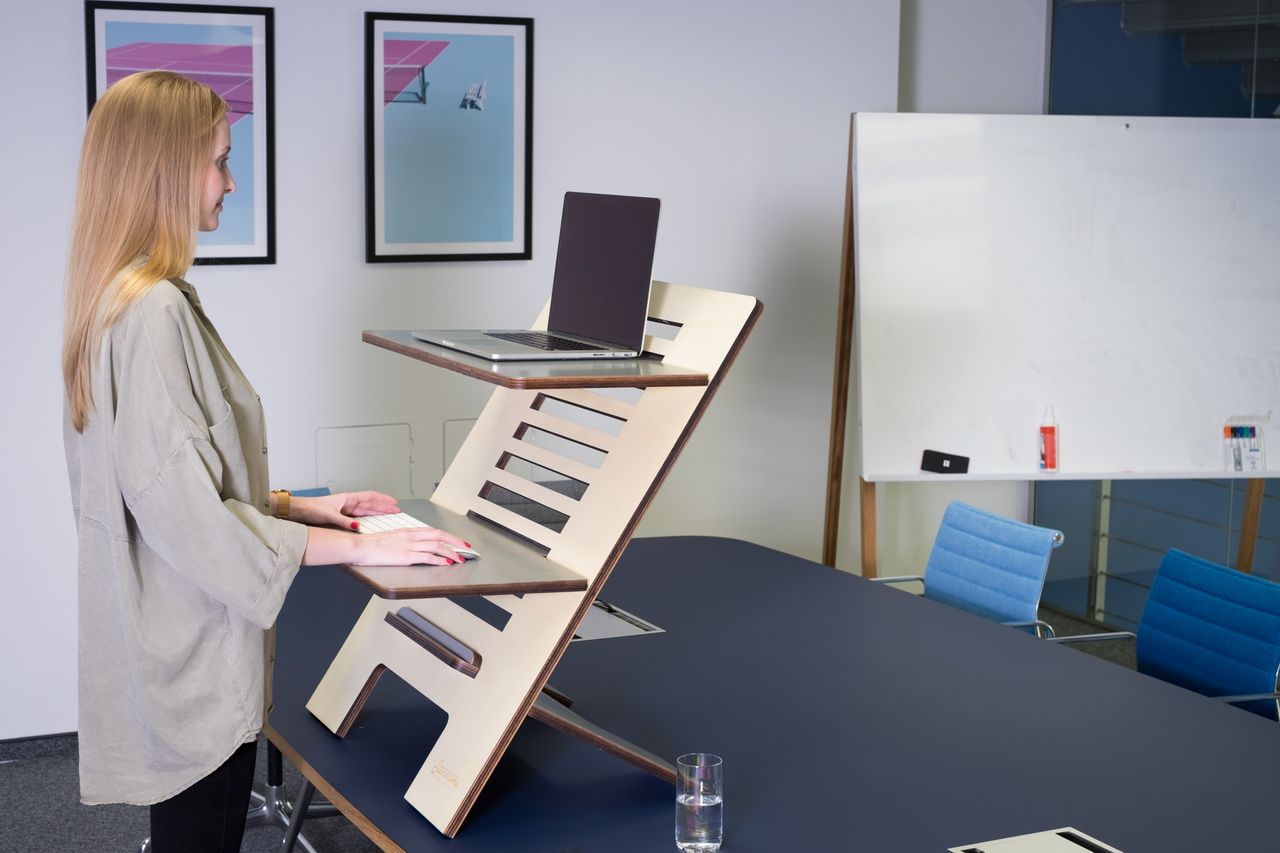
Ergonomic desk setup with monitor at eye level and supportive office chair.

The Remote Work Trap: How Subtle Biomechanical Strain Accumulates

Posted on June 11, 2026September 21, 2026 By Nick Campbell 2 Comments on The Remote Work Trap: How Subtle Biomechanical Strain Accumulates
Daily Living
Nick Campbell
Nick Campbell
Health & Wellness Writer

The transition to working from home promised liberation: no commutes, comfortable clothing, and complete control over our environment. Yet, for millions of professionals, remote work has quietly degraded physical health.

Kitchen island stools, soft living room couches, and dining room tables have replaced commercial-grade office furniture. We spend eight to ten hours a day folded into makeshift seating arrangements, hunched over laptop screens that force our heads into unnatural downward angles.

The damage rarely arrives with sudden, acute trauma. Instead, it develops through low-grade, unrelenting biomechanical compensation.

Your musculoskeletal system is an interconnected tensegrity structure. When one segment shifts out of alignment, surrounding muscles, tendons, and connective tissues must fire continuously to keep you upright.

By late afternoon, the nagging stiffness in your trapezius, the dull ache in your lumbar spine, and the heavy tension behind your temples are not just signs of mental exhaustion—they are the direct physical toll of poor ergonomics.

The Physics of Forward Head Posture

The human head weighs between 10 and 12 pounds (4.5 to 5.4 kg) in a neutral, upright position, balanced directly over the cervical spine. In this neutral alignment, the structural bones of your vertebrae support the load, requiring minimal muscular effort to keep your head steady.

When you look down at a laptop screen resting flat on a desk, your neck flexes forward. As your head tilts forward, the effective weight placed on your cervical spine increases dramatically:

  • 0 degrees (Neutral): 10–12 lbs of force on the neck
  • 15 degrees forward: ~27 lbs of force
  • 30 degrees forward: ~40 lbs of force
  • 45 degrees forward: ~49 lbs of force
  • 60 degrees forward: ~60 lbs of force
Head Angle vs. Effective Cervical Load:
0°  [Neutral]  ======> 10-12 lbs
15° [Slight]   =============> 27 lbs
30° [Moderate] =====================> 40 lbs
45° [Severe]   ============================> 49 lbs
60° [Laptop]   ===================================> 60 lbs

Sitting with a 45-degree forward tilt places roughly 50 pounds of sustained tension across the posterior neck and upper back muscles.

These muscles were designed for short bursts of stabilization, not hours of continuous eccentric contraction. Over weeks and months, this strain leads to chronic trigger points, reduced cerebral blood flow, and compression of cervical nerve roots—often masquerading as tension headaches.

The Workspace Diagnostic: Setting Up Your Ergonomic Baseline

Fixing your posture does not require thousands of dollars in commercial furniture. It requires establishing correct spatial relationships between your eyes, hands, spine, and feet.

Work through these essential adjustments in order:

1. The Monitor: Aligning Eye Line and Focal Distance

The top third of your display should sit directly at eye level when sitting upright. If you work from a laptop, using it directly on a desk forces an unhealthy compromise: your hands might be positioned well, but your neck is severely flexed.

  • The fix: Elevate your laptop using an adjustable riser, a monitor arm, or a stack of sturdy books.
  • The mandatory accessory: Once you raise the screen, you must use an external keyboard and mouse. Never type on a laptop keyboard resting on a riser, as doing so introduces acute wrist extension and shoulder strain.
  • Focal distance: Position your screen approximately an arm’s length away (20 to 28 inches). If you find yourself leaning forward to read text, do not move your head—increase your operating system’s display scaling to 110% or 125%.

Adjusting monitor distance and ambient lighting not only protects your spine, but it also prevents the visual and mental strain caused by long hours behind a screen.

2. The Elbow-to-Desk Angle: Neutral Forearm Support

Your shoulders should hang naturally without tension, and your elbows should rest at an open angle between 90 and 100 degrees.

  • If your desk is too high (a common issue with standard 29-to-30-inch dining tables), your shoulders will shrug upward into your neck to keep your hands on the keys, creating upper-back tension.
  • If your desk cannot be lowered, raise your chair until your forearms are parallel to the floor, and place a firm footrest underneath your feet to support your lower body.
  • Keep your wrists straight in a neutral position while typing. Avoid resting your wrists heavily on hard desk edges while actively typing; use palm rests only between bursts of typing.

3. Lumbar Support and Hip Angle

When you sit, the natural inward curve of your lower back—the lumbar lordosis—tends to flatten out, especially as abdominal and spinal muscles fatigue. This flattening increases pressure inside your intervertebral discs.

  • Hip positioning: Sit all the way back in your chair until your sacrum contacts the backrest. Your hips should be level with or slightly higher than your knees (a hip angle of 90 to 105 degrees). This preserves the natural tilt of your pelvis.
  • Lumbar support: If your chair lacks built-in lumbar adjustment, place a small, rolled towel or an inexpensive lumbar cushion at the curve of your lower back (just above your beltline).
  • Clearance: Ensure there is a two-finger gap between the edge of your seat cushion and the back of your knees to prevent restricting blood flow through the popliteal fossa.

The Feet: Grounding the Kinetic Chain

Your feet must rest flat on the floor to support the weight of your lower limbs.

When your feet dangle, your pelvis rocks backward, flattening the lumbar spine and forcing the muscles of your lower back and hip flexors to carry excess weight. If raising your chair leaves your feet unsupported, use an ergonomic footrest, a yoga block, or a firm box.

Avoid crossing your legs or tucking one foot under your thighs. While these asymmetrical positions feel comfortable initially, they rotate the pelvis, twist the lumbar spine, and compress the sciatic nerve over time.

The Dynamic Posture Principle

The best posture is dynamic, not rigid. Maintaining any single position—even an ergonomically perfect one—causes static muscle fatigue and restricts blood circulation.

To stay comfortable and alert throughout the day, build simple shifts into your work routine:

  • The 30-Minute Micro-Shift: Every half hour, lean back slightly into your chair’s backrest for two minutes, letting the chair carry your weight.
  • The 60-Minute Reset: Stand up, walk across the room, open your chest by clasping your hands behind your back, and look up at the ceiling to reverse forward head posture.
  • Alternate Between Sitting and Standing: If you use an adjustable sit-stand desk, avoid standing for eight hours straight. The optimal ratio is 45 minutes of sitting followed by 15 minutes of standing, or a 2:1 ratio (e.g., 40 minutes sitting, 20 minutes standing).

Taking intentional postural breaks works best when coupled with light movement throughout your day to offset prolonged sitting.

Ergonomic Workspace Setup Checklist

+------------------+-------------------------------------------------------+
| Body Segment     | Ergonomic Standard                                    |
+------------------+-------------------------------------------------------+
| Eyes & Screen    | Top 1/3 of monitor at eye level; arm's length away.   |
| Shoulders        | Relaxed, down, not shrugged upward.                  |
| Elbows & Wrists  | Elbows at 90°-100°; wrists flat in neutral position.  |
| Lower Back       | Supported by firm cushion maintaining natural curve.  |
| Hips & Thighs    | Hips level with or slightly above knees.              |
| Feet             | Planted flat on the floor or on a stable footrest.    |
+------------------+-------------------------------------------------------+

By dialing in these ergonomic foundations, you remove physical strain from your workday. Your muscles will no longer spend energy simply fighting gravity, leaving you with less physical soreness and more mental stamina when the workday ends.
Post navigation

❮ Previous Post: The Biological Power of Morning Light: Resetting Your Energy and Sleep
Next Post: The Cognitive Crisis: Continuous Partial Attention ❯

You may also like

Indoor potted plants filtering natural air in an open-plan living room.
Daily Living
The Invisible Threat: Why Modern Indoor Air Demands Attention
May 11, 2026
A person resting peacefully in a dim bedroom, depicting healthy evening sleep hygiene and digestion.
Daily Living
The Postprandial Recumbency Trap: Why Sleeping Right After Eating Sabotages Digestion, Heartburn Defense, and Deep Sleep
October 3, 2026
A person resting peacefully in bed, highlighting healthy sleep posture and spinal alignment.
Daily Living
The Prone Dilemma: Biomechanical Stress, Airway Dynamics, and the Hidden Cost of Sleeping on Your Stomach
September 25, 2026
Cup of morning coffee beside a sunlit window, illustrating caffeine timing and daytime energy.
Daily Living
Is Your Morning Coffee Making You Tired Later? The Truth About Adenosine and Caffeine
October 11, 2026

2 thoughts on “The Remote Work Trap: How Subtle Biomechanical Strain Accumulates”

  1. Pingback: Practical Steps to Improve Indoor Air Quality and Reduce Home Toxins
  2. Pingback: NEAT: How Everyday Movement Boosts Metabolism More Than the Gym

Leave a Reply Cancel reply

Your email address will not be published. Required fields are marked *

Healthy Tip of the Day
Give Your Eyes a Screen Break
Staring at screens for long periods can contribute to eye strain and dryness. Taking regular breaks gives your eyes a chance to relax and reminds you to blink more often.
Simple goal: Try the 20-20-20 rule: every 20 minutes, look at something about 20 feet away for at least 20 seconds.
  • Body & Nutrition (12)
  • Daily Living (23)
  • Mind & Mood (9)
✉

Get The Healthy Brief

Clear health news, wellness insights, and practical tips delivered to your inbox.

Free to join. Unsubscribe anytime.

  • Close-up of a person with mild eye redness beside a bottle of eye drops, illustrating temporary eye redness relief.
    FDA Approves Brytly Eye Drops for Redness Relief: What to Know
    by Nick Campbell
    October 17, 2026
  • A person enjoying a healthy morning routine with a glass of water, fresh fruit, and a journal in natural daylight.
    10 Daily Healthy Habits for Better Health, More Energy, and Less Stress
    by Nick Campbell
    October 13, 2026
  • Fresh whole foods, fruits, vegetables, whole grains, and protein sources representing modern nutrition guidelines.
    Rethinking the Plate What the Latest National Dietary Guidelines Mean for Your Health
    by Nick Campbell
    October 12, 2026
  • Cup of morning coffee beside a sunlit window, illustrating caffeine timing and daytime energy.
    Is Your Morning Coffee Making You Tired Later? The Truth About Adenosine and Caffeine
    by Nick Campbell
    October 11, 2026
  • Person struggling with chronic insomnia while looking at the clock at night
    Beyond Melatonin: What Really Helps With Chronic Insomnia?
    by Noah Colasanto
    October 7, 2026
  • Can Egg Yolk Help Hair Growth? What the Science Really Says
    by Nick Campbell
    October 7, 2026
  • Person practicing 10 minutes of mindfulness meditation in a quiet room
    The Neuroscience of Stillness: How 10 Minutes of Meditation May Support a Healthier Brain
    by Nick Campbell
    October 5, 2026
  • A person resting peacefully in a dim bedroom, depicting healthy evening sleep hygiene and digestion.
    The Postprandial Recumbency Trap: Why Sleeping Right After Eating Sabotages Digestion, Heartburn Defense, and Deep Sleep
    by Agustin Cappuccino
    October 3, 2026
  • Abstract scientific representation of human biology and neuroanatomy exploring unsolved physiological mysteries.
    The Biological Paradox: 5 Unsolved Mysteries of Human Physiology That Modern Medicine Still Cannot Fully Explain
    by Noah Colasanto
    October 2, 2026
  • A cluster of fresh bananas showing stages of ripeness on a wooden countertop next to healthy whole foods.
    The 45-Day Banana Protocol: Metabolic, Renal, and Gut Microbiome Shifts from Daily Musa Ingestion
    by Nick Campbell
    October 1, 2026
  • An active adult running comfortably outdoors, representing natural knee preservation and athletic joint mobility.
    The 80% Rule: Why Most People Told They Need a Total Knee Replacement Actually Don’t
    by Nick Campbell
    September 30, 2026
  • A nutrient-dense balanced breakfast featuring poached eggs, avocado, and berries on a sunlit table.
    The Fasting Fallacy: Why Skipping Breakfast Triggers Cortisol Elevation, Muscle Catabolism, and Rebound Overeating
    by Noah Colasanto
    September 29, 2026
  • Introducing soft ambient bias lighting prevents extreme pupillary contrast stress and eases nighttime digital eye strain.
    The Bedtime Glow: Does Scrolling on Your Phone in the Dark Cause Permanent Eye Damage?
    by Noah Colasanto
    September 28, 2026
  • Glass meal prep containers filled with rice, chicken, and vegetables, showing safe leftover food storage.
    The Leftover Paradox: Is Reheating Food Actually Dangerous, or Are We Misunderstanding Food Microbiology?
    by Agustin Cappuccino
    September 27, 2026
  • An adult calmly measuring their blood pressure with a digital upper-arm monitor at home.
    High Blood Pressure Symptoms: Why the Silent Killer Can Go Unnoticed
    by Noah Colasanto
    September 26, 2026
  • A person resting peacefully in bed, highlighting healthy sleep posture and spinal alignment.
    The Prone Dilemma: Biomechanical Stress, Airway Dynamics, and the Hidden Cost of Sleeping on Your Stomach
    by Nick Campbell
    September 25, 2026
  • A balanced meal on a table next to a glass of water, showing healthy mealtime hydration.
    The Stomach Acid Myth: Does Drinking Water After Meals Actually Harm Digestion?
    by Agustin Cappuccino
    September 24, 2026
  • Takishima Mika demonstrating an active lifestyle and healthy aging in her 90s
    What a 90+ Fitness Instructor Can Teach Us About Healthy Aging
    by Noah Colasanto
    September 23, 2026
  • Older adult speaking with a psychiatrist during a discussion about emerging treatments for generalized anxiety disorder
    The Long Winter of Anxiety: Could One Experimental Treatment Change Psychiatry?
    by Nick Campbell
    September 20, 2026
  • Person walking in nature to lower stress and rebalance cortisol levels.
    The Biological Architecture of Burnout
    by Noah Colasanto
    September 11, 2026
  • Person with closed eyes practicing deep breathing for autonomic calm.
    The Breath: The Direct Bridge to Autonomic Control
    by Agustin Cappuccino
    August 31, 2026
  • The Invisible Geyser: What Really Happens Every Time You Flush
    by Nick Campbell
    August 16, 2026
  • Balanced meal featuring fiber, clean protein, and healthy fats on a dinner plate.
    The Glucose Rollercoaster: The Hidden Culprit Behind the 3 PM Slump
    by Nick Campbell
    August 11, 2026
  • Assorted fermented probiotic foods and high-fiber ingredients that support microbiome diversity.
    The “Second Brain” in Your Abdomen
    by Nick Campbell
    August 11, 2026
  • Selection of packaged ultra-processed foods displaying colorful snack wrappers and processed grocery items
    Beyond the Label The Hidden Cost of Ultra-Processed Foods
    by Noah Colasanto
    August 5, 2026
  • Scientific illustration showing experimental biomimetic enamel regeneration on a damaged human tooth
    The Living Armor: Could Scientists Finally Teach Damaged Teeth to Repair Themselves?
    by Nick Campbell
    July 19, 2026
  • Individual walking outdoors casually incorporating more movement into daily life.
    The “Active Couch Potato” Paradox
    by Nick Campbell
    July 11, 2026
  • Glass of fresh water with citrus and mineral electrolyte balance.
    The Dehydration Irony: Drinking Gallons and Staying Thirsty
    by Nick Campbell
    July 11, 2026
  • Turned-over smartphone next to a journal showing digital boundary setting.
    The Cognitive Crisis: Continuous Partial Attention
    by Agustin Cappuccino
    July 4, 2026
  • Ergonomic desk setup with monitor at eye level and supportive office chair.
    The Remote Work Trap: How Subtle Biomechanical Strain Accumulates
    by Nick Campbell
    June 11, 2026
  • Person standing in golden morning sunlight outdoors to reset circadian rhythm.
    The Biological Power of Morning Light: Resetting Your Energy and Sleep
    by Agustin Cappuccino
    June 8, 2026
  • Person walking in nature to lower stress and rebalance cortisol levels.
    The Modern Evening Crisis: Why Your Brain Refuses to Sleep
    by Noah Colasanto
    June 1, 2026
  • Terms of Use
  • Subscribe
  • Privacy Policy
  • Medical Disclaimer
  • Editorial Guidelines
  • Comment Policy
  • Affiliate Disclosure
  • About Us
  • Disclaimer

Copyright © 2026 The Healthy Brief.

Theme: Oceanly Green by ScriptsTown