
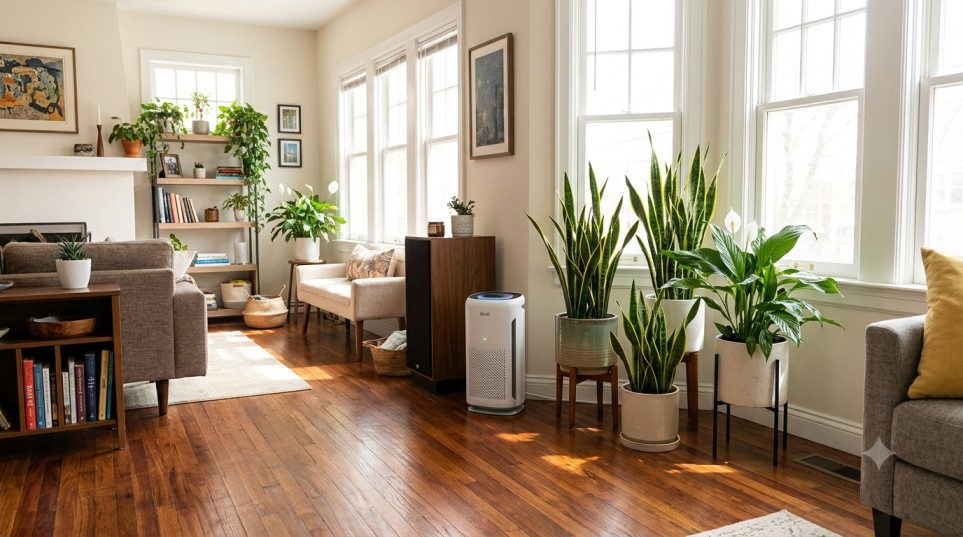

We tend to think of air pollution as an outdoor problem: industrial smokestacks, dense freeway smog, and drifting seasonal wildfire smoke.
Yet, according to data from the U.S. Environmental Protection Agency (EPA), the air inside the average modern home is often two to five times more polluted—and occasionally more than 100 times more polluted—than the air directly outside it.
This reality stems from modern architecture and construction practices. To maximize thermal efficiency and lower heating and cooling bills, modern homes and apartments are built to be airtight.
While this insulation saves energy, it also seals us inside a closed environment. Indoor emissions from building materials, synthetic furniture, cooking fumes, cleaning products, and biological allergens cannot easily escape.
Given that the average person spends roughly 90% of their life indoors, our respiratory systems, immune defenses, and detoxification pathways are in constant contact with an invisible cocktail of low-grade airborne irritants.
Anatomy of Indoor Pollutants: What Are We Actually Breathing?
Indoor airborne contaminants fall into three primary categories:
+-------------------+------------------------------+-------------------------------+
| Pollutant Class   | Common Sources               | Health Impact                 |
+-------------------+------------------------------+-------------------------------+
| Particulate       | Cooking oil smoke, candles,  | Penetrates alveoli and        |
| Matter (PM2.5)    | pet dander, dust mites.      | enters the bloodstream.       |
+-------------------+------------------------------+-------------------------------+
| Volatile Organic  | Paints, glues, synthetic     | Headaches, mucosal irritation,|
| Compounds (VOCs)  | upholstery, fragranced items.| long-term organ toxicity.     |
+-------------------+------------------------------+-------------------------------+
| Biological        | Mold spores, damp drywall,   | Systemic inflammation,        |
| Contaminants      | HVAC drain pans.             | chronic sinus congestion.     |
+-------------------+------------------------------+-------------------------------+
1. Fine Particulate Matter (PM2.5)
Particulates smaller than 2.5 micrometers in diameter are especially hazardous because they bypass the protective cilia and mucous membranes in your upper respiratory tract.
They travel deep into the alveoli of your lungs, where they can cross directly into the bloodstream, triggering systemic inflammatory cascades.
The most common indoor sources of PM2.5 include:
- Frying foods at high temperatures without adequate ventilation.
- Burning paraffin wax candles or incense.
- Soot and dust circulating through unmaintained, aging HVAC ducting.
2. Volatile Organic Compounds (VOCs)
VOCs are carbon-based chemicals that easily evaporate into the air at room temperature—a process known as off-gassing.
Common VOCs include formaldehyde, benzene, toluene, and acetaldehyde. They are quietly emitted by:
- Engineered wood products (particleboard, MDF, plywood) bound with urea-formaldehyde resins.
- Synthetic carpets, foam cushions, and polyurethane mattress cores.
- Conventional synthetic aerosol sprays, chemical air fresheners, and plug-in scented oils.
- Commercial household cleaners containing harsh solvents and synthetic fragrance blends.
Chronic, low-level VOC exposure rarely causes acute poisoning. Instead, it manifests as unexplained daily fatigue, dry or irritated eyes, recurrent sinus pressure, and persistent afternoon brain fog.
3. Biological Contaminants and Mycotoxins
In damp or poorly ventilated spaces, microscopic mold colonies can grow undetected behind drywall, under sinks, or inside humid HVAC ducting.
Species such as Aspergillus, Penicillium, and Stachybotrys release lightweight spores and potent toxic secondary metabolites called mycotoxins. These compounds can continuously agitate the immune system, leading to chronic histamine reactions and unrefreshing sleep.
4 Practical Steps to Clean Your Home’s Air
Transitioning to a cleaner indoor space does not require gutting your house or living in a sterile bubble. By focusing on practical, high-impact changes, you can remove the vast majority of airborne irritants:
Step 1: Maximize Natural Air Exchange
The simplest and most cost-effective way to lower indoor pollutant concentrations is through regular fresh air exchange. Even in urban centers, outdoor air typically contains fewer trapped chemical vapors than stagnant indoor air.
- The Cross-Ventilation Flush: Open windows on opposite sides of your living space for 10 to 15 minutes every morning. This creates a natural pressure differential that flushes out stale VOCs, built-up carbon dioxide, and ambient moisture.
- Always Run Kitchen Exhaust Fans: When cooking—especially when searing meats or using oils at high heat—always run your range hood fan. Ensure your range hood vents air directly outside rather than simply recirculating it through an ineffective mesh filter back into your face.
Step 2: Invest in True HEPA and Activated Carbon Filtration
Mechanical air filtration is the gold standard for actively scrubbing indoor air clean:
- True HEPA Filtration: High-Efficiency Particulate Air filters capture at least 99.97% of airborne particles down to 0.3 microns in size, including dust mite debris, pet dander, pollen, and dangerous PM2.5 combustion particles.
- Activated Carbon Bed: HEPA filters capture solid particles, but they cannot trap gaseous chemicals or VOCs. Look for air purifiers that pair a True HEPA filter with several pounds of solid granular activated carbon. The porous carbon chemically adsorbs VOCs, formaldehydes, and odor molecules out of the air.
- Prioritize the Bedroom: Because you spend roughly a third of your life in your bedroom, place your highest-capacity purifier there. Run it continuously on a quiet, low setting throughout the night.
Step 3: Eliminate Synthetic Fragrances and Hidden Off-Gassing
One of the most effective, zero-cost interventions is removing unnecessary chemical emission sources from your living spaces:
- Discard Synthetic Air Fresheners: Plug-ins, chemical room sprays, and synthetic car fresheners are significant sources of phthalates and synthetic musks. These chemicals linger in indoor air and can disrupt normal endocrine function.
- Switch from Paraffin to Natural Waxes: If you enjoy burning candles, replace cheap paraffin wax candles (which emit trace amounts of toluene and benzene when burned) with 100% beeswax or pure soy candles scented with botanical essential oils and made with unbleached cotton wicks.
- Audit Cleaning Supplies: You do not need harsh, complex chemical formulations to sanitize your home. High-percentage white vinegar, baking soda, 3% hydrogen peroxide, and plant-based castile soaps can handle over 90% of household cleaning tasks without releasing harsh fumes.
Step 4: Control Humidity to Prevent Biological Growth
Moisture control is your primary defense against mold and dust mites.
- Target 30% to 50% Relative Humidity: Invest in an inexpensive digital hygrometer. If your home’s indoor humidity regularly climbs above 55%, run a dedicated dehumidifier, especially in basements or bathrooms.
- Ventilate Bathrooms Thoroughly: Run your bathroom exhaust fan during showers and leave it running for at least 20 minutes afterward to completely clear humid air from the room.
Actionable Clean Air Checklist
- [ ] Open windows on opposite sides of your home for a 10-minute air flush every morning.
- [ ] Run your kitchen range hood every time you cook with heat or oils.
- [ ] Place a True HEPA + activated carbon air purifier in your primary bedroom.
- [ ] Remove synthetic plug-in air fresheners, aerosol sprays, and artificial candles.
- [ ] Replace chemical cleaners with vinegar, baking soda, and gentle plant-based soaps.
- [ ] Keep indoor humidity levels strictly between 30% and 50% to prevent mold growth.
Improving your home’s air quality is an investment in your foundational health. By removing common synthetic chemicals and introducing consistent ventilation, you reduce everyday stress on your immune system, protect your respiratory tract, and create a truly restorative home environment.



One thought on “The Invisible Threat: Why Modern Indoor Air Demands Attention”